









Asian Games Conclude with China Dominating Medal Table
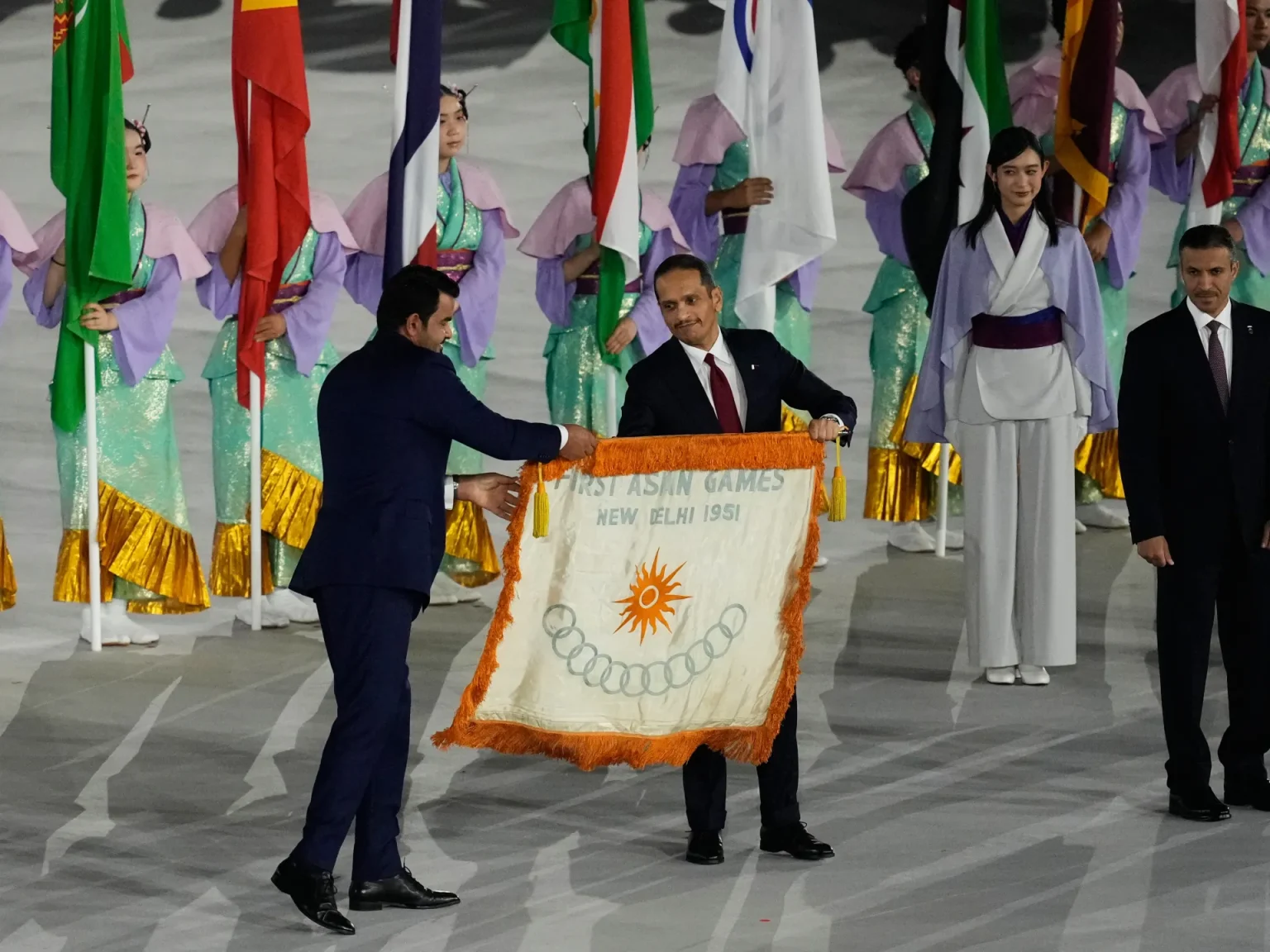
The Asian Games wrapped up on October 4, 2026, showcasing a vivid display of sportsmanship and competition among 45 countries and regions. This year’s event saw the participation of approximately 11,000 athletes, surpassing the number recorded at the previous Olympic Games in Paris. The closing ceremony was officiated by Sheikh Joaan bin Hamad Al Thani, President of the Olympic Council of Asia, marking the end of a memorable sporting event.
Looking ahead, the next Asian Games are set to take place in 2030 in Doha, Qatar. These games not only highlighted athletic skill but also fostered camaraderie and cultural exchange among the diverse nations represented.
China Maintains Long-standing Lead in Medal Count
In a familiar display of athletic prowess, China topped the medal table at the 2026 Asian Games, as it has for decades. The country secured a staggering 169 gold medals out of a total of 341 medals. Following in second place was Japan, which achieved 83 golds and an overall count of 269 medals. South Korea came in third with 39 golds and 150 medals in total. Other notable countries included India and Uzbekistan, each claiming 21 gold medals.
Remarkably, 40 out of the 45 participating nations managed to win at least one medal. However, four nations, specifically Bangladesh, Brunei, Laos, and Syria, each won only a single bronze medal throughout the event.
Star Athletes and Records to Remember
This edition of the Asian Games was particularly noteworthy for several standout athletes who are now under the spotlight ahead of the upcoming Olympics. Among them is Japanese swimmer Shin Ohashi, who set a world record in the 200-meter breaststroke. At just 17 years old, he finished with a time of 2:04.83, becoming the first swimmer in history to complete the race in under 2:05.
Not to be outdone, Chinese swimmer Yu Zidi, aged 13, excelled in her events, clinching gold in the 200-meter butterfly and leading her team in the medley relays. Her performance earned her the title of the best athlete of the Games, further cementing her status as a rising star in the swimming arena.
In track and field, Thai sprinter Puripol Boonsorn received accolades for his record-breaking performances in the 100 meters and 200 meters, clocking times of 9.90 seconds and 19.88 seconds, respectively. These achievements highlighted the intense competition and elite talent present at this year’s Games.
Challenges and Innovations in Event Management
The organization of the Asian Games faced its share of challenges. Due to budgetary constraints and logistics issues, several operational missteps occurred. For instance, parts of the swimming competitions were held in Tokyo, while football matches took place in Osaka, putting pressure on the transportation system across Japan.
In a bid for sustainability, the Games were conducted without a traditional athlete village. Instead, competitors stayed on a cruise ship and in temporary housing units. Event organizers defended their approach, stating that these measures were necessary to manage the event’s costs and logistics effectively.
Additionally, the event management sought to address concerns by introducing new sports, which brought the total to 43 disciplines. Despite initial planning for 15,000 athletes, the final number soared to around 17,000 due to late registrations. Such challenges were met with apologies from event leaders who acknowledged the operational difficulties faced during the Games.
Looking Ahead: Olympics on the Horizon
As the dust settles on the Asian Games, excitement builds toward the 2028 Summer Olympics in Los Angeles. Athletes now have the next two years to prepare and refine their skills for this significant global stage. The performances witnessed at the Asian Games will undoubtedly serve as a precursor for many competitors, providing invaluable experience and insights.
Overall, the 2026 Asian Games proved to be an important event filled with memorable performances and key takeaways regarding sports management and athlete preparation. As stakeholders analyze the successes and challenges of this tournament, the focus will remain on fostering a stronger, more inclusive Asian sporting community in the years to come.