







Several Middle Eastern and North African central banks held central bank interest rates this week after the Federal Reserve left its policy rate unchanged, underscoring the regional impact of U.S. monetary policy on economies with dollar links. The decisions by Qatar, Bahrain, the United Arab Emirates, Jordan and Tunisia follow the Fed’s pause and reflect differing policy mandates and exchange rate frameworks.
Central bank interest rates steady after Federal Reserve decision
The Federal Reserve on Wednesday kept the target range for the federal funds rate at 3.50%–3.75%, a decision supported by a 9–3 vote, officials said. The Fed cited continued robust U.S. economic activity, steady job growth and persistent inflation above its 2% target, with officials noting supply shocks and energy price pressures as contributors.
Central bank interest rates in several countries were adjusted or left unchanged in direct response to the Federal Reserve decision or for domestic reasons, according to official statements from the respective authorities. The Fed’s three dissenting votes in favor of a quarter-point hike signaled that some policymakers see a risk of further tightening if inflation pressures persist.
Gulf central banks keep policy unchanged
In the Gulf, monetary authorities largely aligned with the Fed’s pause. The Central Bank of the United Arab Emirates left its overnight deposit rate at 3.65% and maintained short-term lending facilities at 50 basis points above that rate, the bank said. The UAE move followed a direct link to the Fed’s action, officials added.
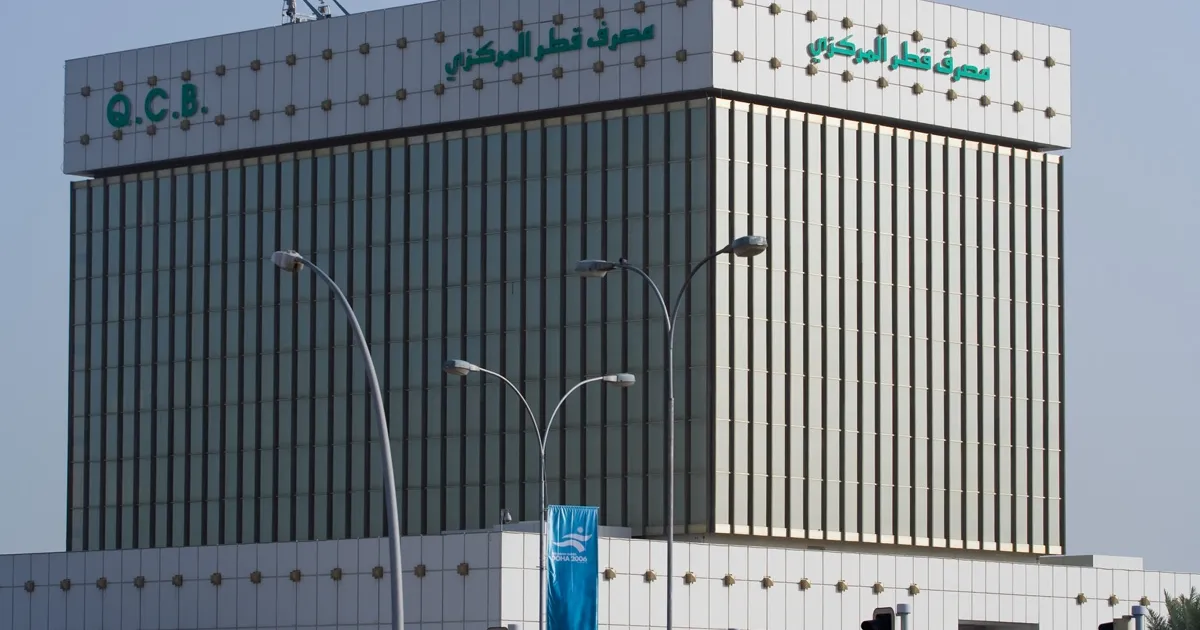
Qatar’s central bank also held rates, keeping its deposit rate at 3.85%, the lending rate at 4.35% and the repo rate at 4.10%, a government news agency reported. Bahrain’s central bank maintained its overnight deposit rate at 4.25%, citing the need to monitor global financial developments and preserve monetary and financial stability.
Saudi Arabia, Kuwait and Oman had previously kept their policy rates unchanged in earlier decisions and did not issue separate measures tied directly to this week’s Fed meeting. Analysts noted that Gulf central banks with currencies pegged to the dollar often follow U.S. rate moves closely to avoid disruptive interest rate differentials.
Jordan and Tunisia decisions reflect different priorities
The Central Bank of Jordan kept its main policy rate at 5.75% and left other policy instruments unchanged, stating the decision aims to preserve price stability, maintain the attractiveness of dinar-denominated assets and align local rates with regional and international markets. Jordan’s dinar remains pegged to the U.S. dollar, making rate differentials a key factor in deposit flows and exchange rate stability.
In Tunisia, the central bank’s board held the key rate at 7% after assessing inflation trends and external risks. Tunisian authorities pointed to 5.3% inflation in June and a steady core inflation rate near 5% as factors behind the decision. The central bank warned that higher energy costs have widened the current account deficit and could trigger second-round inflation effects, reinforcing the case for a cautious stance.
How currency pegs and inflation shape regional policy
Countries that peg their currency to the dollar transfer much of the Federal Reserve’s monetary stance into local markets, making central bank interest rates in those jurisdictions sensitive to U.S. policy shifts. Therefore, the Fed’s pause reduced immediate pressure for abrupt domestic adjustments in peg economies, analysts said.
By contrast, central banks in countries without strict dollar pegs — or those facing distinct inflation or external financing pressures — weigh domestic inflation, growth and liquidity more heavily. Officials in Tunisia, Egypt and Morocco, for example, have emphasized inflation control, growth considerations and external sector dynamics when setting policy, according to official statements and recent meetings.
Financial markets in the region will watch the spread between domestic and U.S. rates closely. A sustained Fed tightening path would raise borrowing costs for dollar-linked economies and could require higher local rates to retain foreign and domestic depositors. Meanwhile, a clear disinflation trend in the U.S. could open room for eventual rate reductions, easing pressure on regional policymakers.
Implications for borrowers, savers and markets
For borrowers, the current pause from the Fed and regional central banks suggests a continued period of relatively elevated borrowing costs compared with pre-tightening years. Businesses with dollar-denominated financing remain exposed to global rate developments, and corporations in the Gulf and North Africa will likely factor interest-rate outlooks into investment and refinancing plans.
Savers may find local deposit rates more attractive where central banks maintain higher policy rates to defend pegs or curb inflation. For currency markets, maintaining interest-rate differentials is a tool to deter capital outflows and stabilize exchange rates, particularly for countries with limited foreign exchange buffers.
What to watch next
Markets and policymakers will monitor upcoming U.S. inflation readings, labor market indicators and the Fed’s communications for clues about the path of monetary policy. Regional central banks have signaled readiness to react to sharper inflation or exchange-rate pressures, and their next policy statements will be closely scrutinized by investors.
Domestically, inflation reports, energy price developments and external financing conditions will guide future decisions in Tunisia, Jordan and other economies that balance dollar links with local objectives. Observers should watch the timing of the Fed’s next meeting and scheduled central bank reviews in the region for potential shifts in stance.
Conclusion and outlook
The recent round of policy decisions left central bank interest rates broadly unchanged across several Gulf and North African economies, reflecting a mix of deference to the Federal Reserve and domestic priorities. Therefore, the immediate policy environment remains one of cautious stability.
Looking ahead, inflation trends, energy prices and upcoming central bank meetings will determine whether authorities tighten further or begin to ease. Investors and households should watch inflation data and official central bank communiqués over the coming weeks for clearer guidance on the interest-rate trajectory.