




Empowering Individuals with Disabilities in Oman
Empowering individuals with disabilities from merely receiving services to becoming active participants in society is a key strategy of the Ministry of Social Development in Oman. The Al-Wafa Center for Rehabilitation of Individuals with Disabilities in Salalah stands as a major establishment in this endeavor since its inception in 1991. This center plays a crucial role in the social welfare system by offering specialized rehabilitation services aligned with the rights of people with disabilities, integrating with the national vision of Oman 2040 and the Law on the Rights of Persons with Disabilities.
Role and Services of Al-Wafa Center
According to Bader bin Farish bin Mohammed Al-Yahyai, the Director General of Social Development in Dhofar Governorate, Al-Wafa Center was established to provide essential rehabilitation services tailored for people with disabilities in the Dhofar Governorate. The center’s mission focuses on developing skills and enhancing the independence of its beneficiaries, promoting their integration into society through specialized rehabilitation programs that consider individual needs in partnership with families and the community. This aligns with the Rights of Persons with Disabilities Law, which emphasizes the right to access rehabilitation programs and services early in their lives.
The law underscores the significance of vocational rehabilitation and the quality of services, reinforcing the center’s commitment to transitioning individuals from service recipients to productive members of society. The integration of administrative, technical, and institutional frameworks enhances the center’s capacity to respond effectively to ongoing challenges and to uphold quality standards in service delivery, thereby ensuring continuous improvement.
Comprehensive Rehabilitation Programs
Al-Yahyai elaborated on the array of rehabilitation services provided by the center, including special education, occupational therapy, speech and language therapy, behavior therapy, physical therapy, vocational and social rehabilitation, family counseling, and various recreational activities. Additionally, the center hosts specialized facilities such as a hydrotherapy unit, sensory stimulation rooms, and protected production workshops.
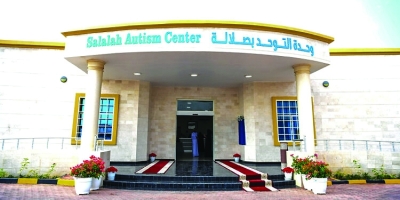
The center also assists individuals in obtaining disability cards and necessary assistive devices, pivotal for integrating individuals with disabilities into their communities. They evaluate incoming cases to determine the specific services required, targeting those with intellectual disabilities, Down syndrome, autism spectrum disorders, as well as physical and multiple disabilities. Notably, the continuous evolution of the center is marked by the introduction of a dedicated facility for autism services and protected workshops aimed at developing professional skills and independence.
Specialization and Team Structure
Al-Wafa Center comprises specialized divisions tailored to meet various beneficiaries’ needs, including departments for intellectual disability and external therapy sessions aimed at integrating individuals with physical disabilities. The team, composed of multi-disciplinary professionals, develops individualized plans for each beneficiary and monitors their progress regularly.
To maintain high-quality offerings, staff members are selected based on their qualifications and expertise. They receive ongoing professional development training to enhance their skills and better serve individuals with disabilities. In 2026, the center supported 230 beneficiaries, comprising 154 males and 76 females, encompassing various disabilities, including autism spectrum disorder and intellectual disability.
Future Aspirations and Community Support
Looking ahead, Al-Yahyai emphasized the aim of establishing Al-Wafa Center as a premier hub for expertise in the Dhofar Governorate, offering comprehensive rehabilitation services that meet the diverse needs of beneficiaries and their families. The focus on empowering individuals with disabilities reflects the commitment to Oman’s national vision and enhances the quality of social services.
The center plans to expand its facilities, particularly specialized services for autism, improve productive workshops, and continually assess the requirements for workforce training and resources to accommodate the growing needs of the community. This initiative will catapult the center into a model for similar establishments across the region.
Furthermore, the center actively seeks community engagement, urging society to embrace individuals with disabilities and provide equal opportunities in education, employment, and social participation. This approach encourages collaboration between government entities, private sectors, and community organizations to foster an inclusive environment.
Conclusion and Next Steps
The integration of individuals with disabilities into society is not solely the responsibility of rehabilitation centers; it requires a communal effort to ensure a supportive ecosystem that values and empowers these individuals. Enhancing public awareness and encouraging participation in initiatives led by the Al-Wafa Center will significantly contribute to the effectiveness of rehabilitation services.
As the center looks toward the future, continued investments in rehabilitation, partnerships with various sectors, and enhancements in service delivery will be pivotal in ensuring that persons with disabilities achieve their full potential and independence in Omani society.