








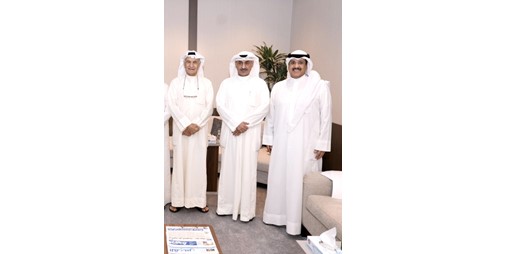

Continuous Meetings to Enhance Media Coordination in Kuwait
In a significant move to strengthen media coordination, editors-in-chief of daily newspapers in Kuwait convened for a friendly meeting at the headquarters of Al-Jarida newspaper. This gathering focused on various media issues, along with discussions surrounding local matters pertinent to the journalistic community and current professional challenges.
Attendees included notable figures such as Nasser Al-Ateibi, editor-in-chief of Al-Jarida, and representatives from other major publications including Walid Al-Nasf from Al-Qabas, and Rabea Hussein Maki Jumaa from Al-Nahar. Additionally, Adnan Al-Rashed, head of the Journalists’ Association, was present. The meeting fostered an exchange of ideas regarding ways to enhance collaborative efforts among national media institutions and to adapt the media discourse to the rapidly evolving digital landscape.
Strengthening Collaboration Among Media Institutions
The editors present emphasized the importance of such coordinating meetings in unifying positions on vital media and national issues. They collectively recognized that these gatherings serve the public interest and uphold the prestige of Kuwaiti journalism. As the media landscape faces multiple challenges, collaboration becomes crucial for maintaining high standards and addressing community concerns effectively.
Furthermore, discussions included the necessity of adapting to digital advancements that are transforming the media industry globally. The commitment to uphold national and professional responsibly while communicating issues of societal relevance was highlighted throughout the meeting.
Future Implications for Kuwaiti Media Landscape
As the dialogue continues among media leaders in Kuwait, the implications extend beyond the immediate challenges. Ongoing coordination efforts can lead to a more cohesive approach to journalism, potentially enhancing the quality of reporting and public discourse. Observers expect that sustained collaboration may also result in innovative strategies to engage audiences effectively in the digital age.
Looking ahead, media institutions in Kuwait are likely to prioritize regular meetings and workshops as integral to their operations. As they navigate through evolving scenarios and regional developments, the media’s ability to adapt and respond to societal needs will remain paramount. Stakeholders and audiences alike should anticipate further advancements in how Kuwaiti journalism tackles pressing national issues.