





Raising Awareness for the Visually Impaired in Kuwait
The National Library of Kuwait recently hosted an event titled “Visual Impairment: Social Rights and Developmental Perspectives,” aimed at enhancing community awareness regarding the rights of the visually impaired. This initiative was part of the global recognition of White Cane Day, observed annually on October 15, emphasizing the importance of inclusion and support for individuals with disabilities.
Under the leadership of Nasar Bou Labqa, the Director of Information Services and the Digital Library at the National Library, the event highlighted the significance of community awareness in supporting persons with disabilities. Bou Labqa emphasized the necessity of organizing educational events that foster the principles of social integration and equal opportunities for everyone involved.
Empowering the Visually Impaired
According to Bou Labqa, this event was organized not just to mark a day, but also to fulfill the library’s responsibility to raise awareness about the challenges faced by the visually impaired. Through specialized programs and activities, the library aims to cultivate a culture of social inclusion and provide an environment conducive to participation in cultural and intellectual activities.
The advisory media consultant for the visually impaired, Abdulrahman Al Adwani, who also coordinated the event, expressed the critical need to enhance the rights of those with visual impairments. He emphasized the importance of enabling them to lead independent lives and participate fully in society, regarding them as vital partners in the country’s development and growth objectives.
Importance of the White Cane
The event, now in its fourth edition, focused on the civil, social, and legal rights of visually impaired individuals while showcasing their aspirations and roles in sustainable development. Al Adwani pointed out that the White Cane Day serves to highlight the rights of visually impaired individuals to move freely and independently. The white cane has become a global symbol of visual impairment, serving as a vital tool that enhances the mobility and confidence of its users.
Accessibility in public facilities is essential to facilitate social integration. The National Library of Kuwait provides tactile guidance pathways that assist visually impaired individuals in navigating its premises independently and safely. This commitment to enhancing accessibility underscores the library’s dedication to the inclusion of all community members.
Looking Ahead to a Brighter Future
Visually impaired individuals in Kuwait, estimated to number between 7,000 and 8,000, seek active participation in realizing the country’s vision for a “New Kuwait 2035.” Providing them with opportunities to showcase their skills, artistic talents, and expertise across various developmental aspects is crucial for both community progress and individual fulfillment.
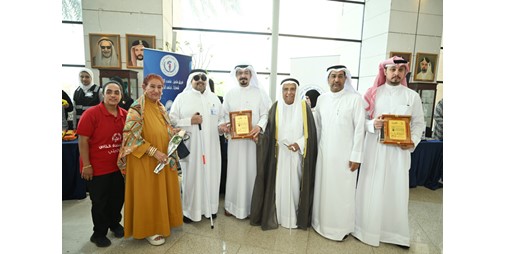
Al Adwani reiterated the necessity of developing initiatives and programs that cater to the unique needs of the visually impaired population and open wider avenues for their community and professional involvement. The accompanying exhibition at the event featured over 25 entities from governmental, private, and civil society sectors, highlighting various initiatives and services supporting visually impaired individuals, thus promoting collaboration and integration across various sectors.
Conclusion and Future Directions
The collaborative efforts emphasized at the event signal a positive shift towards recognizing and honoring the rights of visually impaired individuals in Kuwait. As community organizations and institutions join forces, there is a growing commitment to reinforcing the culture of respecting disability rights and removing barriers to participation. Upcoming initiatives and partnerships aim to further enhance accessibility and ensure that every individual, regardless of ability, has the opportunity to contribute to a more inclusive future.