





Kuwait Advocates for UN Security Council Reform
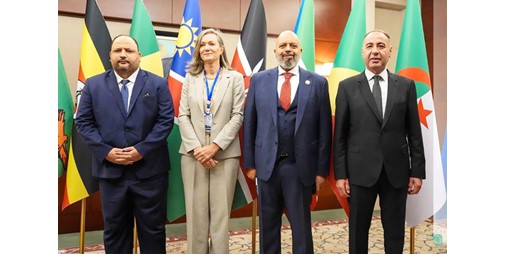
Kuwait has emphasized the necessity of advancing reforms in the United Nations Security Council (UNSC) to ensure equitable representation of member states and address historical imbalances in its composition. This assertion was made during a statement by Kuwait’s Permanent Representative to the UN, Ambassador Tarek Al-Banna, who served as one of the co-chairs for the Intergovernmental Negotiations on UNSC reform at the 14th ministerial meeting of the African Union’s Committee of Ten held in Tripoli, Libya.
The meeting took place on Monday, co-hosted by Sierra Leone, which coordinates the Committee of Ten, and Libya, the host nation. Ambassador Leis Cruickshank van Harn, the co-chair of the Intergovernmental Negotiations, also participated, significantly contributing to discussions on this crucial issue.
The Need for African Representation in the UNSC
During the discussions, Al-Banna highlighted the historical injustices faced by African nations due to their lack of representation in the category of permanent membership in the UNSC. He pointed out that Africa’s underrepresentation in non-permanent membership also needs to be addressed. Al-Banna stressed the importance of ensuring that the UNSC reflects modern geopolitical realities and the aspirations of all member states.
Moreover, Kuwait expressed appreciation for the African model presented by Sierra Leone during the 80th session of the UN General Assembly. This model is based on the Ezulwini Consensus and the Sirte Declaration, which advocate for at least two permanent seats for Africa with full privileges, alongside a total of five non-permanent seats.
Challenges and Proposals for Reform
The discussions also touched upon the African position regarding the veto power exercised by current permanent members. While opposing the use of the veto in principle, African representatives called for granting new permanent members the same rights and privileges enjoyed by existing members, should this right continue. Al-Banna underscored the critical role of the African Union in selecting the continent’s representatives, who would be elected by the General Assembly.
Additionally, the proposal for fixed regional seats emerged as a potential compromise between those advocating for the expansion of permanent membership and those who favor limiting expansion to non-permanent seats. This approach suggests adding six to seven regional seats that would be occupied by countries elected by the General Assembly for longer terms, potentially extending beyond the current two-year limit, with the possibility of re-election for two additional terms. This could enhance institutional continuity while maintaining accountability through regular elections.
The Path Forward for UNSC Reform
As discussions surrounding UNSC reform progress, Kuwait’s stance highlights crucial themes of equity, representation, and effectiveness within the council. The ongoing negotiations reflect a broader movement to adapt international governance structures to contemporary realities effectively. Observers are encouraged to pay attention to subsequent developments, particularly in relation to the African Union’s efforts and the integration of diverse perspectives into the reform conversations.
Looking ahead, the next steps seem to involve further dialogue among member states to refine proposals and potentially reach a consensus on the future structure of the UNSC. The growing urgency for reform highlights the complex interplay of politics, power, and the need for a more balanced international decision-making process.