








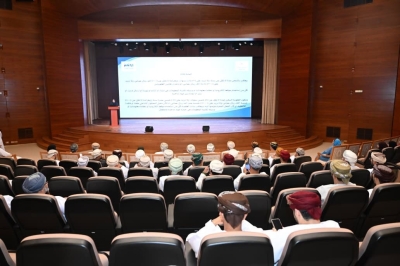

The Government Communication Center in Muscat organized an informational meeting on the Oman cybercrime law on Tuesday evening, bringing together government agencies, social media account managers, news outlets and content creators. The session, held to raise awareness of regulatory and legislative frameworks governing online publishing and promotion, outlined how the new cybercrime provisions intersect with media regulation and digital licensing obligations.
Attendees included representatives from the Ministry of Transport, Communications and Information Technology and the Ministry of Information, among other bodies, who addressed legal requirements, licensing distinctions and compliance expectations. Officials said the event aimed to clarify roles and responsibilities and to reduce legal risks for individuals and institutions operating on digital platforms.
Oman cybercrime law: key provisions highlighted
Speakers from the Ministry of Transport, Communications and Information Technology reviewed the main elements of the Oman cybercrime law, summarizing prohibited acts and the types of penalties contemplated by the statute. According to ministry statements, the emphasis was on promoting responsible use of digital platforms while protecting national cybersecurity and public order.
Officials explained that the law targets a range of offenses tied to information technology, including unlawful access, dissemination of harmful content and activities that can undermine privacy or public safety. Meanwhile, they cautioned that enforcement will hinge on evidence and procedure, and that legal consequences vary depending on the nature and severity of infractions.
Licensing and media regulation for news accounts and content creators
The Ministry of Information provided an overview of the Media Law issued by Royal Decree No. 58/2024 and its implications for media licensing. The ministry clarified that entities operating newspapers, websites, news accounts and certain social media activities may need formal media licensing under the new regulatory framework.
Distinctions were drawn between media licensing and digital licensing for platforms or technical services. Furthermore, officials stressed that compliance with media licensing rules complements obligations under the Oman cybercrime law and that content creator responsibilities include adherence to both legal and ethical standards.
Understanding digital licensing and social media regulation
Panelists discussed practical steps for obtaining required digital and media licenses and how these documents differ in scope. For example, digital licensing typically addresses technical and operational aspects of online services, whereas media licensing focuses on editorial responsibility, transparency and public-interest reporting.
Participants noted that social media regulation continues to evolve globally and that Oman’s approach seeks to balance freedom of expression with safeguards against misinformation, privacy breaches and cyber threats. Therefore, account managers and independent creators were urged to document compliance efforts and to consult regulatory guidance when in doubt.
Who is affected and when to seek a license
The meeting clarified that news organizations, editors of official accounts, and content creators who systematically publish news-like material should assess licensing obligations. Additionally, private entities that distribute promotional or journalistic content on behalf of others were advised to review whether their activities trigger media licensing requirements.
Enforcement, penalties and safeguarding digital platforms
Officials outlined enforcement mechanisms tied to the Oman cybercrime law and related media regulations, noting that sanctions may include fines, suspension of services or criminal proceedings depending on violations. The presentation emphasized proportionality and due process in enforcement, according to statements from the ministries.
Beyond penalties, the session highlighted preventive measures such as digital literacy, content moderation best practices and technical safeguards to protect accounts and audiences. Cybersecurity experts in attendance recommended routine account security checks, verified information sourcing and transparent corrections for published errors.
Stakeholder roles and interagency coordination
The meeting also explained the division of responsibilities among government entities, private platforms and individuals. Authorities said the Government Communication Center will continue facilitating dialogue across ministries, news organizations and creators to ensure consistent interpretation and implementation of rules.
Interagency coordination was presented as critical to effective enforcement and public outreach. Therefore, officials indicated that multi-stakeholder engagement—combining regulatory guidance, technical support and training—can help reduce inadvertent violations and improve the overall quality of digital information environments.
Practical implications for content creators and news accounts
Content creators and news account operators were advised to review editorial practices, secure appropriate licenses when required and adopt transparent attribution and correction policies. Additionally, they were urged to maintain clear lines between sponsored content and editorial material to meet both media licensing standards and social media regulation expectations.
Legal advisors at the meeting recommended that creators document permission for third-party content, respect privacy norms and avoid dissemination of unverified or harmful material. Therefore, proactive compliance can reduce legal exposure under both the Oman cybercrime law and the Media Law framework.
Next steps and what to watch
Officials suggested that further guidance documents, workshops and outreach activities are likely to follow as ministries refine implementation procedures. Observers should watch for additional explanatory notes from the Ministry of Information and technical directives from the Ministry of Transport, Communications and Information Technology that clarify licensing processes and enforcement priorities.
In conclusion, the meeting signaled a coordinated drive to align cybercrime prevention with media licensing and social media regulation. Stakeholders are expected to engage with forthcoming guidance and participate in capacity-building efforts to ensure compliance and protect the integrity of Oman’s digital information space.