







GCC legislative cooperation advances at third 2026 experts meeting
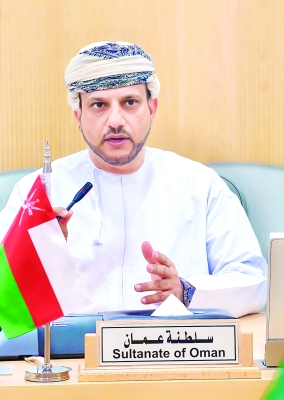
Oman, represented by the Ministry of Justice and Legal Affairs, participated in the third 2026 meeting of the committee of experts and specialists from legislative departments of Gulf Cooperation Council member states at the GCC General Secretariat in Riyadh. The delegation was led by First Counselor Dr. Mahmoud bin Ahmed Al-Barashdi, Director General of Legal Affairs, and included Counselor Jawaher bint Saleh Al-Riyami. The session focused on strengthening GCC legislative cooperation through a new work strategy and review of unified legal drafts.
Who attended and what was discussed
The meeting gathered legislative officials and specialists from all GCC member states at the Secretariat’s headquarters in Riyadh. Delegates examined a draft work strategy for the permanent committee of legislative directors covering 2026–2028, and they reviewed member-state observations on a number of proposed unified Gulf laws and their executive regulations. The ministry stated that the agenda prioritized mechanisms to enhance legal coordination and share legislative expertise among the Gulf states.
Strategy 2026–2028 and implementation mechanisms
At the center of discussions was the proposed strategy for 2026–2028, which outlines coordinated work streams, capacity-building initiatives and timelines for common-law projects. Officials reviewed the strategy’s main axes and debated implementation tools intended to facilitate synchronized drafting, peer review and technical cooperation. According to attendees, the strategy aims to institutionalize processes that make legislative integration more systematic and transparent across sectors.
Therefore, the strategy proposes structured exchange programs, technical workshops and joint drafting teams to fast-track harmonized legislation. Furthermore, participants discussed performance indicators and reporting formats to monitor progress and ensure that harmonization aligns with each country’s legal systems and development objectives.
Review of unified Gulf laws and legal harmonization
Delegates examined member-state comments on several draft unified Gulf laws and their implementing regulations. The session provided a forum to reconcile differing legal approaches and to identify provisions that require further technical harmonization. Officials said the review process is intended to foster legal harmonization while respecting national legal frameworks and constitutional limits.
In addition, the discussions addressed practical issues such as consistency of terminology, cross-border enforcement, and regulatory alignment in priority sectors. The committee emphasized the need for clear implementation guidelines to ensure that any adopted unified law functions effectively across jurisdictions.
Oman’s role and legal mandate
Oman’s participation was led by the Ministry of Justice and Legal Affairs acting in its capacity as the national authority for legislative and legal matters. The ministry represents the Sultanate in committee sessions in line with the competences assigned under Royal Decree No. 88/2020, officials confirmed. The delegation contributed to technical reviews and shared national perspectives on harmonizing laws related to commerce, civil affairs and regulatory frameworks.
Moreover, Oman highlighted the importance of capacity building and knowledge exchange to ensure that harmonized laws are implementable and produce predictable outcomes for citizens, businesses and public agencies. The ministry noted that coordinated legal frameworks can support economic integration and regulatory clarity across the Gulf region.
Why GCC legislative cooperation matters
GCC legislative cooperation matters because unified legal frameworks can reduce regulatory fragmentation and improve predictability for cross-border trade and investment. Analysts point out that consistent rules across member states can lower transaction costs and facilitate regional projects. Meanwhile, harmonized laws also create a more stable environment for labor mobility, financial services and dispute resolution.
Furthermore, coordinated legislation supports regional priorities such as economic diversification and digital transformation by providing common legal foundations for new technologies and business models. The experts’ committee plays a central role in translating political commitments into practical legal instruments and draft regulations.
Challenges and balancing national interests
Despite broad agreement on the benefits of harmonization, the committee recognized challenges including divergent legal traditions, administrative capacities and constitutional constraints. Therefore, delegates stressed the importance of consultations, phased implementation and technical flexibility. The meeting underscored that harmonization should be pursued with sensitivity to national legislation while maintaining the objective of regional coherence.
Process, follow-up and expected next steps
Officials outlined a roadmap for next steps that includes consolidation of member-state observations, technical redrafting by working groups and further review at subsequent committee meetings. The committee is expected to present a finalized strategy and revised draft laws to higher GCC bodies for endorsement in coming months. The ministry indicated that follow-up sessions and specialized working groups will carry forward the drafting and alignment tasks.
Therefore, observers should watch for publication of updated drafts and official timelines as the committee moves from review to adoption stages. The implementation phase will likely involve national consultations and capacity-building activities to prepare administrations for enforcement.
Implications for regional integration and legal practice
If the strategy and unified law drafts proceed, the measures could accelerate legal integration across the Gulf and provide clearer frameworks for regional commerce and governance. Legal practitioners and businesses may benefit from more harmonized rules and shared regulatory standards. Additionally, public administrations could leverage joint guidelines to streamline cross-border cooperation and dispute resolution mechanisms.
However, the ultimate impact will depend on member states’ readiness to align domestic legislation and on the technical detail of final drafts, officials cautioned. The committee’s work is therefore a necessary but not sufficient step toward deeper legal integration.
Conclusion and what to watch next
The third 2026 meeting of GCC legislative experts in Riyadh reinforced member states’ commitment to coordinated legal work and set out concrete steps for the 2026–2028 period. Oman’s delegation played an active role in drafting discussions and review of unified laws, according to the ministry. Going forward, stakeholders should monitor the committee’s publication of the finalized strategy and the timeline for redrafting and national consultation, which will determine when harmonized legislation may be adopted and implemented across the Gulf.