





Strengthening Gulf-European Security Partnerships
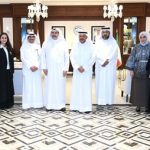
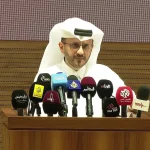
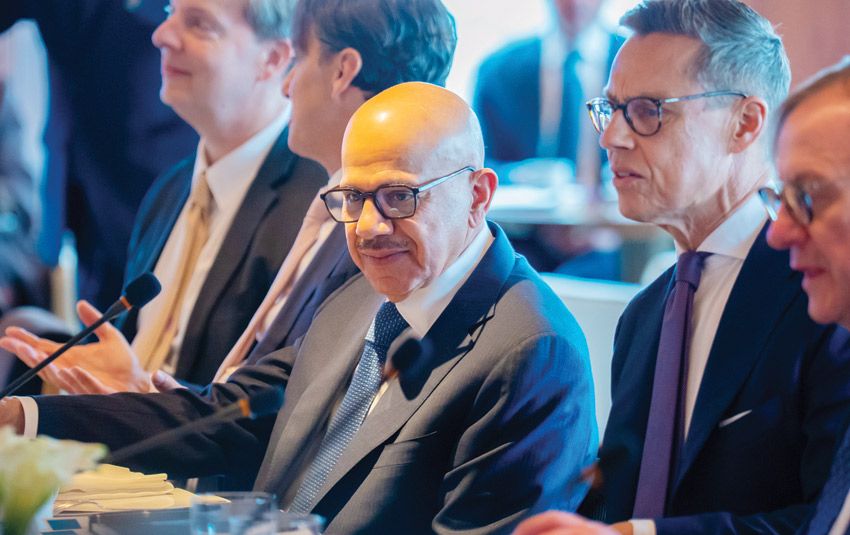
Dr. Abdul Latif bin Rashid Al Zayani, the Minister of Foreign Affairs of Bahrain, participated in a significant panel discussion organized by the Atlantic Council in collaboration with the Europe-Gulf Forum. This session was held under the title “Deepening the Gulf-European Partnership for Regional Security and Prosperity” at the United Nations General Assembly’s 78th session. This initiative reflects a commitment to enhance ties between Gulf states and European nations.
Focus on Economic and Security Collaboration
The dialogue emphasized the need for strengthened economic, commercial, and investment cooperation between Gulf Cooperation Council (GCC) countries and European nations. Participants discussed various opportunities for collaboration in energy security, digital transformation, innovation, and sustainable development. There is a shared interest in fostering communication between governmental institutions, business sectors, and think tanks from both regions.
In remarks during the session, officials highlighted the importance of maintaining an ongoing dialogue and coordination to address the pressing political, security, and economic challenges currently faced by the region and beyond. By prioritizing these discussions, both parties can better work towards cementing stability and mutual prosperity.
Confronting Challenges and Fostering Diplomacy
The meeting also addressed significant challenges affecting both the Gulf and European regions. Among these are geopolitical tensions, economic uncertainties, and security threats that can hinder stability. It was underscored that continuous diplomacy and dialogue are crucial in resolving disputes and maintaining peace.
Dr. Al Zayani emphasized that ongoing collaboration is essential to tackle these challenges effectively. The Gulf states, with their unique resources and geopolitical significance, are positioned to play a vital role in ensuring regional security. This aligns with European interests, as stability in the Gulf is directly linked to energy security and broader international relations.
Participants and Their Roles
The session saw the participation of several key figures, including Ambassador Jamal Faris Al-Ruwaihi, Bahrain’s Permanent Representative to the United Nations, and Ambassador Said Abdulkhaleq Said, Head of the Coordination and Follow-Up Sector. Their involvement further underscores the commitment of Bahrain and other GCC nations to engaging with European counterparts on pressing global challenges.
Looking Towards the Future
As discussions like these continue, observers can expect further initiatives aimed at fortifying relationships between the Gulf and European nations. The focus will remain on sustainable partnerships, addressing shared concerns effectively, and deepening cooperation across various sectors.
The next steps involve exploring additional collaborative projects and ensuring actionable outcomes from these discussions. Keeping the momentum going will be crucial, as both regions work towards a future characterized by peace, security, and economic prosperity.