







Qatar’s Role in US-Iran Relations
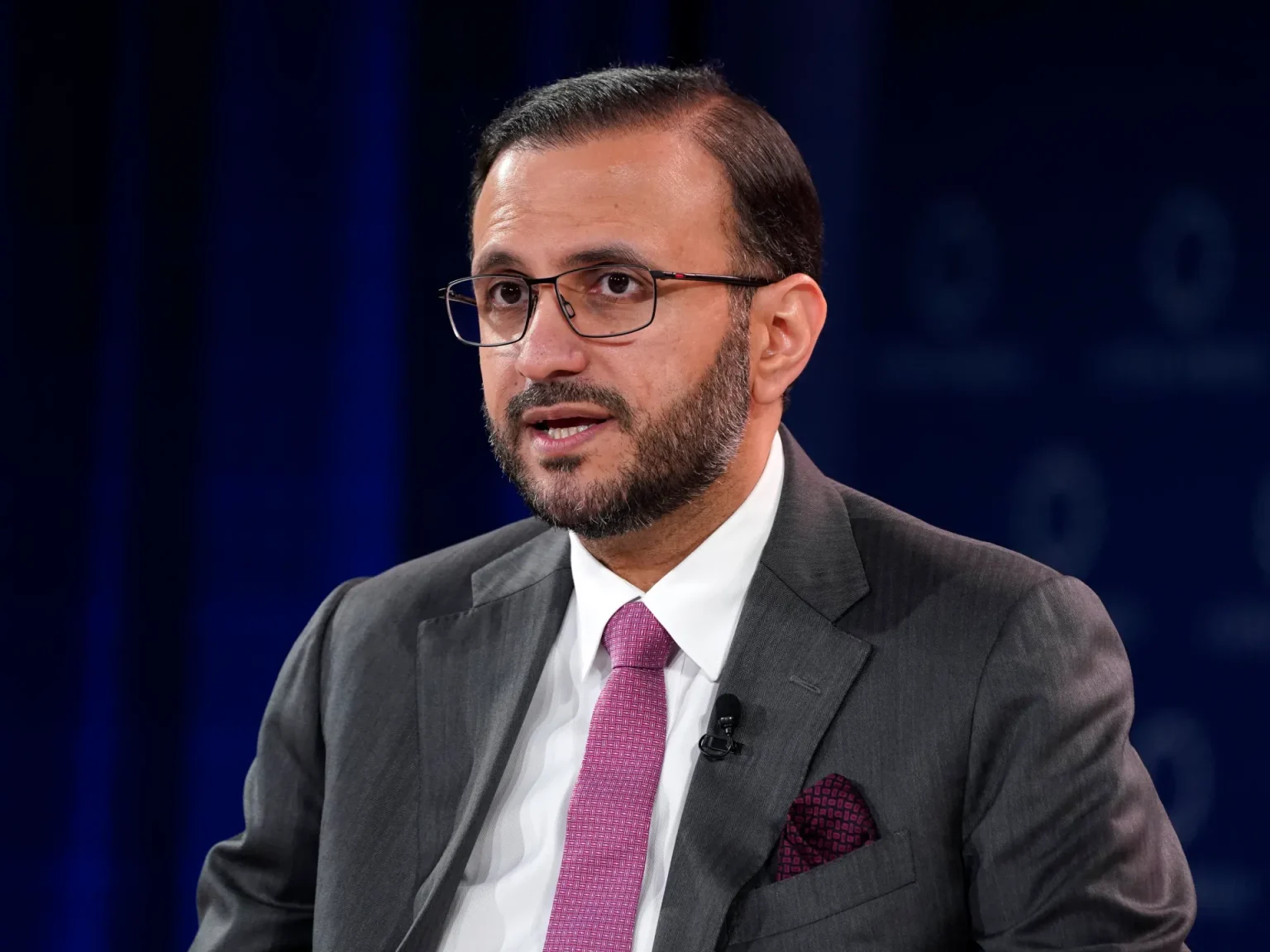
On September 21, 2026, a spokesperson for the Qatari Foreign Ministry, Majid Al-Ansari, announced Qatar’s intent to facilitate an agreement between the United States and Iran. This statement came during the annual Concordia Summit in New York, emphasizing Qatar’s position as a mediator in international diplomacy. Al-Ansari noted that any such agreement would be temporary but sufficient to kickstart negotiations between the two nations.
The Qatari official highlighted the need for calm in the Strait of Hormuz, as mistrust prevails between Washington and Tehran. Both nations continue to await concessions from the other, necessitating a dialogue focused on security guarantees for all countries in the region.
Impact of Regional Dynamics on Diplomacy
Amid growing tensions, diplomatic efforts are ramping up to prevent further escalation between the U.S. and Iran. The Pakistani Interior Minister, Mohsin Raza Naqvi, recently engaged in discussions with Iranian officials to explore potential pathways for de-escalation. Qatar, alongside Pakistan, has played a crucial role in mediating past agreements, including a memorandum of understanding reached in June, which aimed to pave the way for negotiations within 60 days.
However, delays in implementing this initial agreement have reignited hostilities. The recent threat from U.S. President Donald Trump of extensive military action against Iran underscores the urgency of diplomatic efforts. Concurrently, Iran has vowed to retaliate against any new U.S. military interventions.
Complex Military Landscape and Houthi Issues
In light of the ongoing Iranian crisis, Al-Ansari addressed the rising complexity in the military landscape, citing attacks on oil pipelines in northeast Saudi Arabia and near Mecca. These incidents have intensified the situation. Regional countries are working rigorously to separate the Houthi situation from direct confrontations with Iran, utilizing different mediation approaches, including Omani negotiations and “Gulf+2” mechanisms with Washington.
Additionally, Qatar’s spokesperson highlighted recent developments regarding the Palestinian issue. He remarked on the significant step taken towards negotiations, as Palestinian factions agreed to disarm and engage fully in diplomatic processes. However, he expressed disappointment over Israel’s lack of reciprocity, notably regarding the stalled implementation of peace plans.
Qatar’s Vision for Peaceful International Relations
Further emphasizing Qatar’s strategy for stability, Al-Ansari unveiled the Prime Minister’s initiative titled “Supply Chains for Peace.” This proposed framework aims to create a collaborative infrastructure for early conflict resolution. This initiative relies on principles of “minor multilateralism,” encouraging countries to leverage their resources for humanitarian efforts rather than waiting for crises to arise before acting.
In line with these diplomatic endeavors, Al-Ansari reported that the Qatari Armed Forces successfully intercepted around 95% of projectiles targeting the country. This defensive accomplishment reflects Qatar’s commitment to bolstering its military capabilities amidst hybrid warfare threats and enhancing strategic autonomy.
Looking Ahead: Future Diplomatic Engagements
As the United Nations General Assembly meetings commence in New York, a significant gathering of Gulf leaders is anticipated, including a meeting between the U.S. President and key figures in the Gulf Cooperation Council. Observers will closely monitor any developments that could emerge from these discussions, as regional stability remains precarious. The Qatar-led mediation efforts may serve as a crucial element in redefining U.S.-Iran relations and establishing a more peaceful Middle East.