




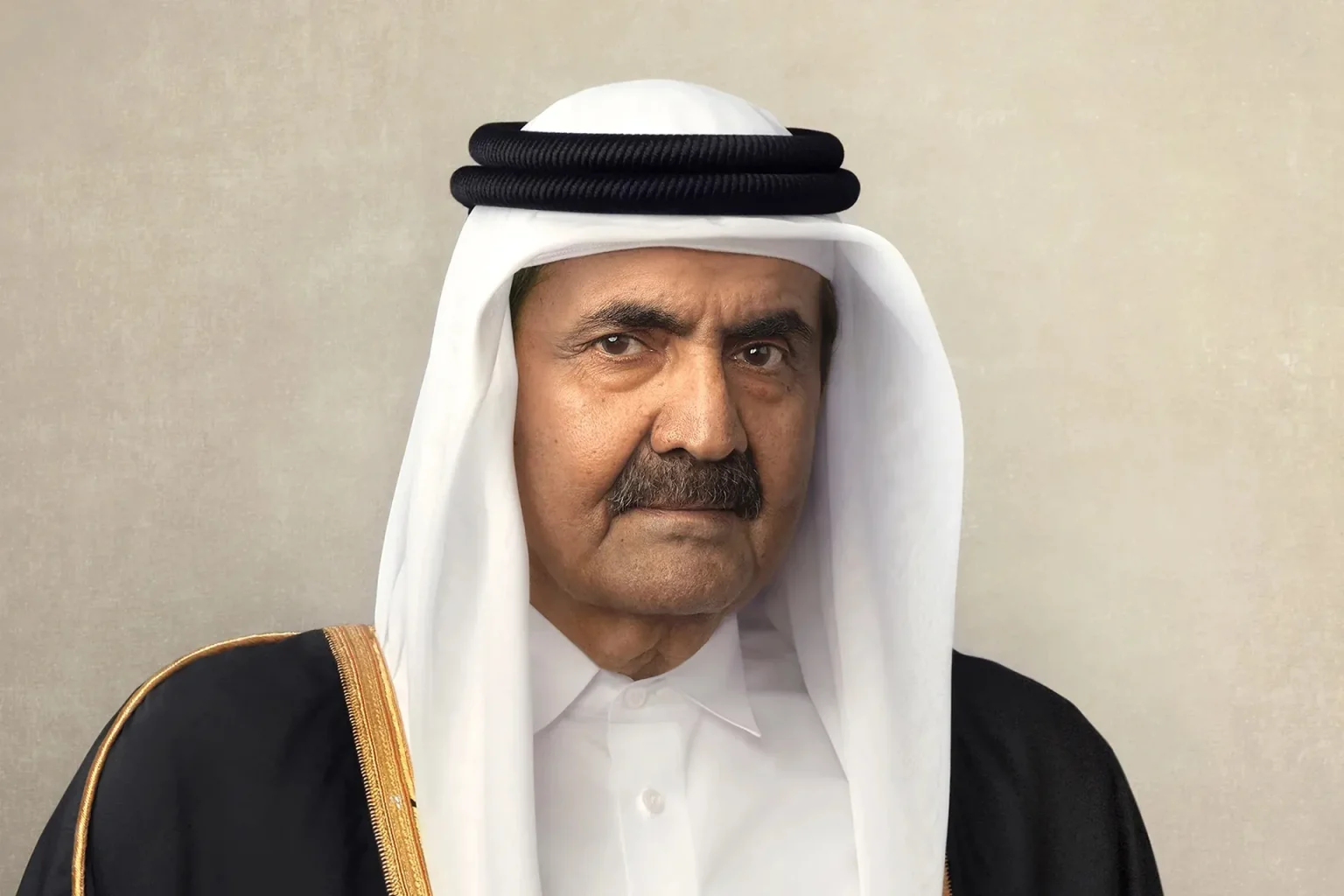

UN Session Honors Late Emir of Qatar Sheikh Hamad bin Khalifa Al Thani
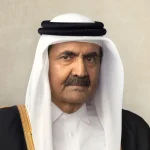
On Wednesday, October 9, 2026, the United Nations General Assembly convened a high-level session in New York to honor the late Emir of Qatar, Sheikh Hamad bin Khalifa Al Thani, who passed away on July 12, 2026. The session included a moment of silence in remembrance of the deceased leader, with significant attendance from high-ranking UN officials and representatives from various regional and international groups.
Messages of condolence were extended to the current Emir of Qatar, Sheikh Tamim bin Hamad Al Thani, as well as to the ruling family, the Qatari government, and the people of Qatar, acknowledging the late emir’s remarkable achievements in diplomacy, mediation, and development.
Significant Contributions and Legacy
In his opening remarks, Kehelur Rahman, the President of the UN General Assembly and the Foreign Minister of Bangladesh, emphasized that Sheikh Hamad bin Khalifa Al Thani was one of the most significant leaders in the contemporary history of Qatar. Under his leadership, the nation underwent extensive economic, social, and cultural transformations that prioritized education, science, and human development.
Notable initiatives during his rule included the establishment of Al Jazeera Media Network, the long-term developmental vision, and the promotion of political participation among women. Furthermore, Qatar emerged as a global hub for dialogue and mediation, exemplified by the election of Qatari diplomat Nasser Abdul Aziz Al Nasr as President of the 66th session of the General Assembly.
Institutional Approach and Preventive Diplomacy
UN Secretary-General Antonio Guterres described the late emir as a visionary leader who initiated institutional and economic transformations in Qatar. He indicated that during Sheikh Hamad’s reign, Qatar’s share of the global economy grew exponentially, with the adoption of a permanent constitution and substantial investments in higher education and research through Qatar Foundation and Educational City, leading to the launch of Qatar National Vision 2030.
Guterres highlighted that Sheikh Hamad’s influence extended globally, positioning Qatar as a reliable partner in mediation and humanitarian efforts.
Tributes from Global Leaders
Qatari Ambassador to the UN, Sheikha Alya Ahmed bin Saif Al Thani, noted the wide participation from countries and regional groups at the memorial session, signifying the late leader’s esteemed status. She stated that his reign from 1995 to 2013 laid the groundwork for a modern state invested in human development, culminating in the establishment of a permanent constitution via a public referendum that enshrined principles of consultation and the rule of law.
Sheikha Alya further elaborated that Qatar’s foreign policy adopted peaceful dispute resolution and mediation as constitutional approaches, leading to notable successes such as the Doha Agreement for Lebanese parties, the Darfur Peace Document, mediation between Djibouti and Eritrea, and sponsorship of Palestinian reconciliation efforts.
Regional and International Admiration
From the Gulf Cooperation Council, Bahrain’s Permanent Representative, Jamal Faris Al-Ruwai, remarked that the late emir dedicated his life to serving his nation and community with a forward-looking vision, significantly contributing to strengthening Gulf cooperation and enhancing regional stability.
In representing the Arab Group, Oman’s Permanent Representative, Omar Al-Makhzomi, emphasized that the deceased was an exceptional leader and symbol of wisdom and reform. He recalled the late emir’s pivotal stances in championing Arab issues, particularly the Palestinian cause, supporting reconstruction efforts in Gaza, and hosting the 2012 Jerusalem Defense Conference.
Ankara’s representative for the Organization of Islamic Cooperation, Ahmed Idris, stated that the Islamic world lost a wise leader who defended the legitimate rights of the Palestinian people and hosted the 2000 Islamic Doha Summit, establishing a model for solidarity and peaceful solutions.
Furthermore, Marvin Eikondi, Uganda’s Deputy Permanent Representative to the Non-Aligned Movement, conveyed that the late emir left a lasting legacy of promoting dialogue and mediation, fostering cooperation among countries of the Global South, particularly through hosting the 2005 Group of 77 and China Summit.
Conclusion and Future Outlook
Sheikh Hamad bin Khalifa Al Thani is widely regarded as the architect of modern Qatar. During his leadership, the country established its permanent constitution and initiated Qatar National Vision 2030, aimed at fostering a knowledge-based economy and transforming Qatar into a modern state capable of achieving sustainable development. Following his abdication in 2013, leadership transitioned to then crown prince Sheikh Tamim bin Hamad Al Thani, who continues to guide the nation.
As the country reflects on the late emir’s remarkable contributions, observers are keenly interested in how Qatar will continue to uphold and expand upon the diplomatic and developmental foundations laid during his reign.