








Israel’s Territorial Violations: International Reactions
On October 9, 2026, Israel’s Prime Minister Benjamin Netanyahu sparked widespread condemnation after illegally entering Syrian territory near the Golan Heights. This act has prompted strong reactions from countries including Qatar, Kuwait, and Jordan, all of whom have called for the international community to ensure Israel’s compliance with international law.
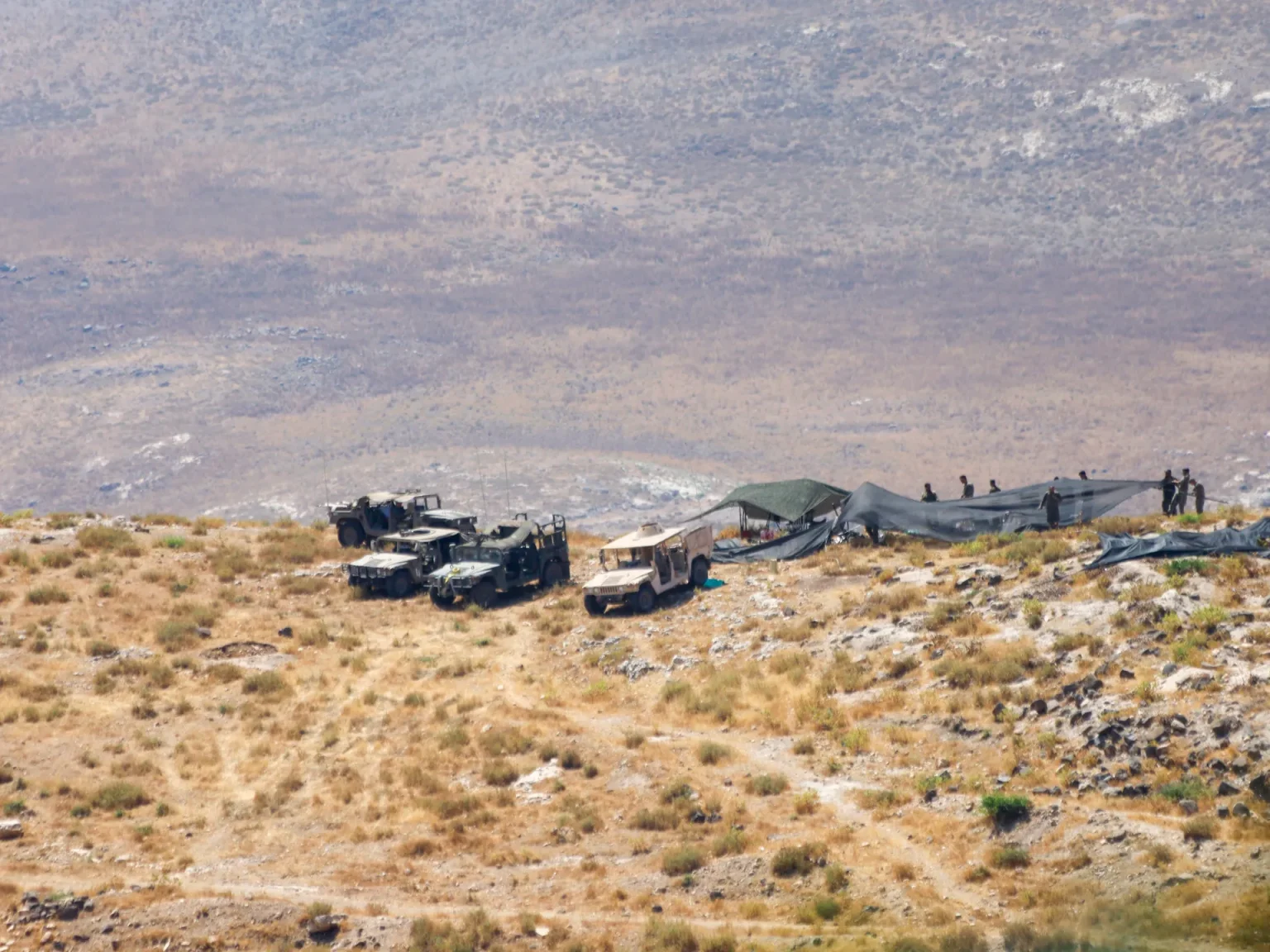
The Qatari Foreign Ministry released a statement condemning Netanyahu’s actions, labeling them a “flagrant violation of the sovereignty of the Syrian Arab Republic” and a serious threat to regional security. This incident occurred as Netanyahu, accompanied by Defense Minister Israel Katz, visited the occupied Syrian region of Mount Hermon, presumably as part of his campaign leading up to the Knesset elections on October 27, 2026.
Details of the Incident
Netanyahu’s unconstitutional intrusion into the Syrian territory was marked by a video he recorded while donning a bulletproof vest. In the footage, he stated, “On the eve of the Jewish New Year, we stand here at the summit of Mount Hermon. Damascus is over there, Lebanon is over here, and the Syrian Golan Heights are right behind us.” He claimed complete Israeli control over the territory, asserting dominance from Mount Hermon to the Yarmouk River and all the way to the Mediterranean Sea. This claim has further intensified tensions in the region.
In response to Netanyahu’s provocative statements and actions, the Qatari Foreign Ministry reinforced its commitment to Syrian sovereignty and urged the international community for urgent action. They emphasized the need for Israel to respect the 1974 ceasefire agreement and halt its recurring aggression against Syrian lands, which poses risks for escalating violence and instability in the region.
Regional and International Reactions
Kuwait’s Foreign Ministry has also expressed serious concern over Israel’s ongoing incursions and aggressions within Syrian territories. They regard these actions as provocations that undermine regional peace and stability. Kuwait emphasized the importance of the United Nations Security Council taking action to prevent further violations and ensuring compliance with relevant international resolutions.
Similarly, Jordan’s Foreign Ministry condemned the incursion and deemed it a blatant violation of Syrian sovereignty as well as a provocative breach of international law. They reaffirmed their stance on the necessity to maintain respect for Syria’s territorial integrity and called for de-escalation measures to prevent further tensions.
From Syria’s perspective, the ministry has declared the illegal entry of Netanyahu as a provocative step and a violation of Syrian sovereignty. This continuous pattern of Israeli operations in southern Syria has raised concerns regarding the potential for further confrontations and military actions.
Historical Context of Israeli Occupation
Israel has maintained control over most of the Golan Heights since the Six-Day War in 1967. The region remains a flashpoint for conflicts between Israel and Syria, particularly following the Syrian Civil War, which has complicated the longstanding territorial disputes. Reports indicate an increase in Israeli operations in both Quneitra and Daraa provinces in southern Syria, with near-daily incursions that involve military raids, searches, detentions, and the establishment of military barriers.
The situation has been exacerbated since the collapse of the Assad regime in late 2024, which led to Israel declaring the termination of the 1974 separation of forces agreement. The occupation of the Syrian buffer zone has since intensified provocations, leading to escalated military tensions within the area.
What Lies Ahead?
The current situation has left many wondering about the next steps for diplomatic avenues in addressing these tensions. Observers suggest that regional dynamics may shift as international scrutiny increases, especially with the upcoming elections in Israel placing further strain on Netanyahu’s policies. There’s a growing hope among Syria’s allies that strong international intervention could be forthcoming to restore balance and uphold Syrian sovereignty.
As the election approaches, Netanyahu’s push for increased control over disputed territories might provoke more aggressive responses from various stakeholders. The focus remains on how the international community will navigate these complexities and whether they will take significant steps to address violations of international law and the ongoing dangers to regional stability.