







Journalists of Al Jazeera Witness September 11 Attacks
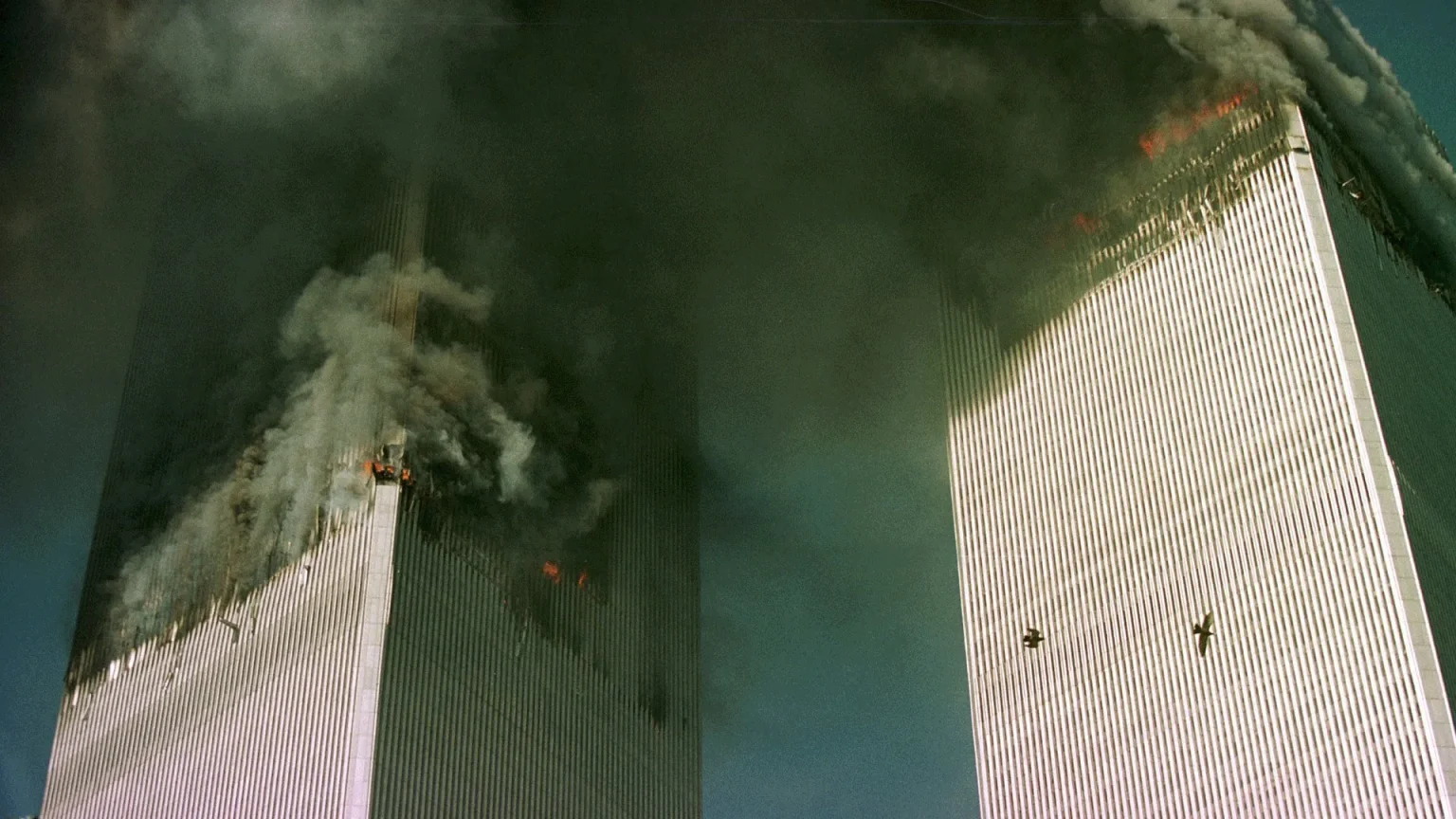
On September 11, 2001, Al Jazeera reporters found themselves at the epicenter of events that would alter global dynamics forever. As they navigated the chaos and pressurized environment of breaking news, they were not merely reporting on an unfolding narrative but experiencing the uncertainties and profound implications of the attacks firsthand, particularly from their vantage point in Kabul, Afghanistan. The film “September 11 as Narrated by Al Jazeera,” available on the Al Jazeera 360 platform, captures this pivotal moment in history.
From War-Torn Kabul to Ground Zero
At the time of the attacks, Taysir Alouni, then the head of Al Jazeera’s Kabul bureau, was situated in an increasingly militarized Afghanistan. His life oscillated between covering the court, managing office duties, and seeking food in a besieged city. Kabul, under Taliban rule, presented a starkly different reality compared to other capitals around the globe. When the news of the attacks reached him, it was accompanied by a palpable sense of foreboding, indicating that the days ahead would be unlike any previous experiences.
Initially, the gravity of the situation seemed lost even within newsrooms. Ibrahim Helal, Al Jazeera’s news director at the time, initially assumed the incident was merely a fire at the World Trade Center. Others, including Dima Khaled, a producer in the newsroom, perceived it as a significant fire but not necessarily newsworthy for an Arab audience. The understanding that a paradigm shift was underway became clear rapidly during an urgent meeting where Helal articulated, “The world has now changed and will not return to what it was.”
Covering the Transformation of Afghanistan
The documentary illustrates Alouni’s arduous journey from the frontlines back to Kabul, which he described as one of the longest trips of his life. As foreign journalists began flooding into the city, locals gathered in the Al Jazeera office to witness the live footage. Afghanistan transitioned from being a remote backdrop to becoming the focal point for the impending conflict.
With escalating tension and preparations underway for war, Alouni recalled the directives issued to dig trenches and ready for forthcoming battles. As airstrikes began, the challenge shifted from merely reaching a site to surviving within the hazardous environment. Alouni often found himself outside, battling dehydration and fear, stating, “My tongue sticks to the roof of my mouth.”
The Battle Over Visual Narratives
Securing footage transformed into a challenging endeavor after the attacks. Octavia Nasr, then CNN’s head of Arab affairs, recounted a desperate search for material from Afghanistan that left her with only Al Jazeera’s content. This prompted her to establish a working relationship with the Doha-based network for content exchange.
Simultaneously, Alouni faced pressures from Al Jazeera management to ensure the utmost accuracy in reporting. The reality was that the images broadcast from Kabul were scrutinized not just by local audiences but by global news organizations seeking clarity amid the chaos.
Conflicts arose when the depiction of events reported by journalists contradicted official military narratives. In one notable instance, Donald Rumsfeld, then U.S. Secretary of Defense, accused an Al Jazeera reporter of dishonesty. This tension raised pivotal questions about the authenticity and reliability of the images being shown.
The Essence of Exclusive Reporting
The significant challenge of reporting culminated with the arrival of the first tape featuring Osama bin Laden following the attacks. The documentary sheds light on the complexities associated with transmitting content under war conditions, where Al Jazeera’s newsroom was confronted with an incredibly sensitive story requiring rapid response without adequate time for reflection. Al Jazeera’s Muhammad Kriouchen described this as an unavoidable adventure, marking one of the few instances the tape aired unedited.
However, this precedent did not become standard practice. Subsequently, each subsequent piece of material underwent a thorough review process. The question evolved from whether the network had access to the footage to how to responsibly present it without compromising journalistic integrity.
Exclusive Interviews Under Unique Conditions
The interview with bin Laden stands out as one of the film’s most intense segments. Alouni recounted how a messenger approached him to arrange the meeting, leading to a precarious journey conducted under stringent conditions. When he arrived, he found himself blindfolded, reflecting the inherent difficulties in accessing such elusive figures.
This discussion was orchestrated meticulously, with Al Jazeera preparing 23 questions, many of which, particularly concerning security, were denied. Alouni’s task transcended merely extracting responses; it encompassed upholding the journalistic essence of the engagement.
Helal underscored the intertwining of ethical, editing, and security considerations during those critical reporting phases, where the terms of broadcasting were as pivotal as the technical aspects involved. Labels like “exclusive” took on new connotations, emphasizing the battle for narrative control between the source and the news outlet.
The Heavy Price of Reporting
The narrative did not conclude in the editing room or the broadcast studio. Al Jazeera’s Kabul office suffered destruction under bombardment. Dima Khaled highlighted the essential distinction made by Wael Alqmass in how the two networks depicted warfare: CNN portrayed the initiation of attacks while Al Jazeera illustrated their aftermath. This distinction is vital, offering insight into the role of journalists embedded within conflict zones, functioning in real-time rather than from a safe distance.
The journey of Al Jazeera post-September 11 should not be seen solely as a professional triumph; it is a complex tale of a media institution faced with unprecedented levels of scrutiny and danger. The network possessed unique footage but simultaneously faced the repercussions of showing it. Their ability to capture rare stories positioned them among influential voices, defining the contours of the narrative while also re-evaluating the impact and meaning of their coverage.
Ultimately, post-September 11, Al Jazeera shifted from covering global events externally to becoming a critical player in the unfolding situation on the ground, transitioning into a source of information through which the world would view a conflict characterized by its inherent complexities and dire implications.