






Qatar’s Non-Hydrocarbon GDP Grows Amid Regional Challenges
In the first quarter of 2026, Qatar’s non-hydrocarbon Gross Domestic Product (GDP) experienced a growth of 3.5% year-on-year, as reported by the National Planning Council of Qatar. This notable growth reflects the resilience and stability of Qatar’s economy despite the ongoing regional challenges that have impacted trade routes and caused increases in transportation and insurance costs.
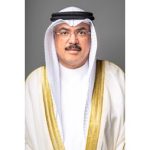
The council’s announcement underscores the effectiveness of Qatar’s long-term planning strategies, as stated by Secretary-General Abdul Aziz bin Nasser bin Mubarak Al Khalifa. He noted that recent indicators reveal the robustness of the Qatari economy, emphasizing how strategic investments and sound financial management have helped maintain economic stability.
Economic Overview and Hydrocarbon Sector’s Decline
While the non-hydrocarbon sectors showed positive performance, the hydrocarbon GDP, which includes oil and gas, faced a significant decline of 25.8%. This downturn in the hydrocarbon sector contributed to an overall economic contraction of 7% year-on-year, with Qatar’s total GDP registering at 170.8 billion Qatari riyals (approximately $46.9 billion) compared to 183.7 billion riyals in the same quarter of 2025.
The drop in hydrocarbon production is attributed to severe disruptions in energy supply chains resulting from the ongoing conflicts in the Middle East. Notably, Qatar, a leading exporter of liquefied natural gas (LNG), has seen its production capacity affected, leading to a substantial reduction in energy output.
Positive Performance in Non-Hydrocarbon Sectors
The robust growth of 3.5% in Qatar’s non-hydrocarbon sector is driven by several key industries. The construction sector led the way, achieving a growth rate of 6.2%, contributing approximately 1.37 billion Qatari riyals (1.2%) to the overall non-hydrocarbon GDP. This sector’s expansion highlights the ongoing investments in infrastructure and development projects throughout the country.
Retail trade also made significant contributions, experiencing a remarkable growth rate of 9.0%, which added 1.31 billion riyals (1.1%) to the non-hydrocarbon GDP. This surge indicates strong consumer confidence and increased spending among residents. Additionally, real estate activities grew by 6.1%, enhancing the sector’s contribution to economic expansion by 814 million riyals (0.7%).
Financial services, including banking and insurance activities, reported a growth of 4.8%, contributing 774 million riyals (0.7%). Public administration services followed closely with a 4.0% growth contributing 580 million riyals (0.5%) to the overall economic growth. These figures highlight the diverse economic base that Qatar has developed over the years, aligning with the country’s National Vision 2030 goals.
Looking Ahead: Maintaining Economic Stability
Despite the geopolitical pressures affecting the region, Qatar has remained committed to providing a steady supply of essential goods and services. This resilience has been supported by targeted measures to aid both businesses and consumers, thereby fostering stability and confidence in the financial markets.
As Qatar navigates through current challenges, stakeholders are encouraged to closely monitor the evolving economic landscape. The government’s ongoing strategic investments and planning should position the economy for recovery and growth as global conditions improve. The next steps will likely focus on bolstering the hydrocarbon sector while further enhancing the diversification of the economy.
In conclusion, Qatar’s current economic performance indicates a balanced approach amidst adversity. Continued vigilance and proactive measures will be essential for sustaining growth and achieving long-term economic stability in the face of ongoing challenges.