


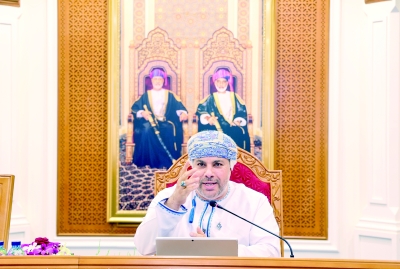

Dhofar Governorate meeting emphasizes partnership on development agenda
The Governor of Dhofar met today with Shura Council representatives from the governorate to review service performance and planned projects, according to official statements. The Dhofar Governorate meeting brought together municipal and council leaders, including the mayor of Dhofar, to consolidate cooperation and present progress on the first half of 2026. Officials said the session is part of a recurring series aimed at enhancing coordination among government bodies and local constituencies.
Overview of topics covered at the Dhofar Governorate meeting
Attendees received visual briefings on a comprehensive strategy for Dhofar Governorate that outlines six strategic pillars. The presentations addressed human capital development, economic diversification, business and investment environment improvements, sustainable urban planning and city humanization, social and cultural development, and environmental sustainability. Furthermore, the municipality presented updates on road and lighting projects, waterfront initiatives, and efforts to restore and enhance heritage and tourism sites.
Service performance review and municipal project updates
Officials reviewed service-sector indicators and municipal achievements for the first half of 2026, highlighting completed and ongoing works managed by the municipal council and municipality. The municipal report summarized infrastructure rehabilitation, road upgrades, public lighting expansions, and site beautification efforts in key tourist and heritage locations. According to statements from municipal leaders, these projects aim to improve daily services and support economic activity, particularly in tourism and small business sectors.
Strategic pillars outlined and cross-sector coordination
The strategic framework shown at the meeting frames development around six core areas intended to guide investment and policy choices. Officials said the strategy places priority on diversifying economic sources while strengthening human capital through training and employment initiatives. Additionally, sustainable urban planning and the humanization of cities were presented as central to improving livability and attracting private investment, while environmental sustainability measures were emphasized as essential for long-term resilience.
Shura Council representatives’ role and local feedback
Members of the Shura Council representing Dhofar’s wilayats offered assessments and suggestions on municipal and governorate priorities. Council members commended completed projects and stressed the need for continued coordination to ensure plans reflect local needs. The exchange of views included proposals to prioritize road safety, public lighting in underserved areas, and preservation of cultural sites to bolster community identity and tourism potential.
Implementation status and project highlights
Presentations included visual summaries of municipal projects currently underway and those recently completed. Notable projects outlined were road rehabilitation campaigns, lighting upgrades along main corridors, and targeted interventions to rehabilitate and enhance scenic and heritage locations. Officials reported that these efforts are intended to improve accessibility and safety while supporting visitor experiences and local commerce.
Financial and administrative coordination
During the meeting, participants discussed administrative coordination and the need to align funding and timelines across agencies to accelerate delivery. Officials indicated that the governorate places importance on integrating council feedback into planning cycles and budgetary allocations. The session was framed as a mechanism to reduce implementation bottlenecks by maintaining direct communication between the governorate office, the municipality, and Shura Council representatives.
Community engagement and social development priorities
Speakers underscored the role of community engagement in shaping municipal services and cultural programming. The strategic pillars include social and cultural development to support community cohesion and local talent development. According to the materials presented, initiatives will prioritize accessible public spaces, cultural site activation, and programming that encourages civic participation.
Environmental sustainability and tourism considerations
Environmental sustainability was a recurring theme, with officials noting that project planning integrates environmental safeguards and resilience measures. Presenters linked heritage site restoration and coastal projects to tourism development goals, suggesting coordinated efforts to balance economic benefits with conservation. Shura Council members urged continued monitoring of environmental impacts as projects progress.
Implications for investors and residents
Observers said the meeting signals a sustained focus on creating a more business-friendly environment alongside improved public services. Enhancing infrastructure, urban planning, and heritage promotion may encourage private investment in hospitality and services, officials suggested. For residents, the immediate implications include better road networks, expanded lighting, and upgraded public amenities during the current implementation period.
Next steps and what to watch
The governorate indicated this session is part of an ongoing series of periodic engagements with Shura Council members, aiming to institutionalize feedback and oversight. Officials stated that monitoring reports and further updates on project timelines will be provided as projects advance through 2026. Stakeholders and residents should watch for published progress reports and municipal announcements detailing phased completions and community consultations.
Conclusion and forward outlook
The Dhofar Governorate meeting reinforced a collaborative approach to local development by aligning council input with municipal and governorate priorities. Officials have framed the current phase as focused on implementation and coordination to meet development goals articulated for 2026. Going forward, periodic reviews and public updates will be important indicators of whether the strategic initiatives translate into measurable improvements in services, investment climate, and community wellbeing.