







2026 World Cup final: Spain wins after extra time in New Jersey
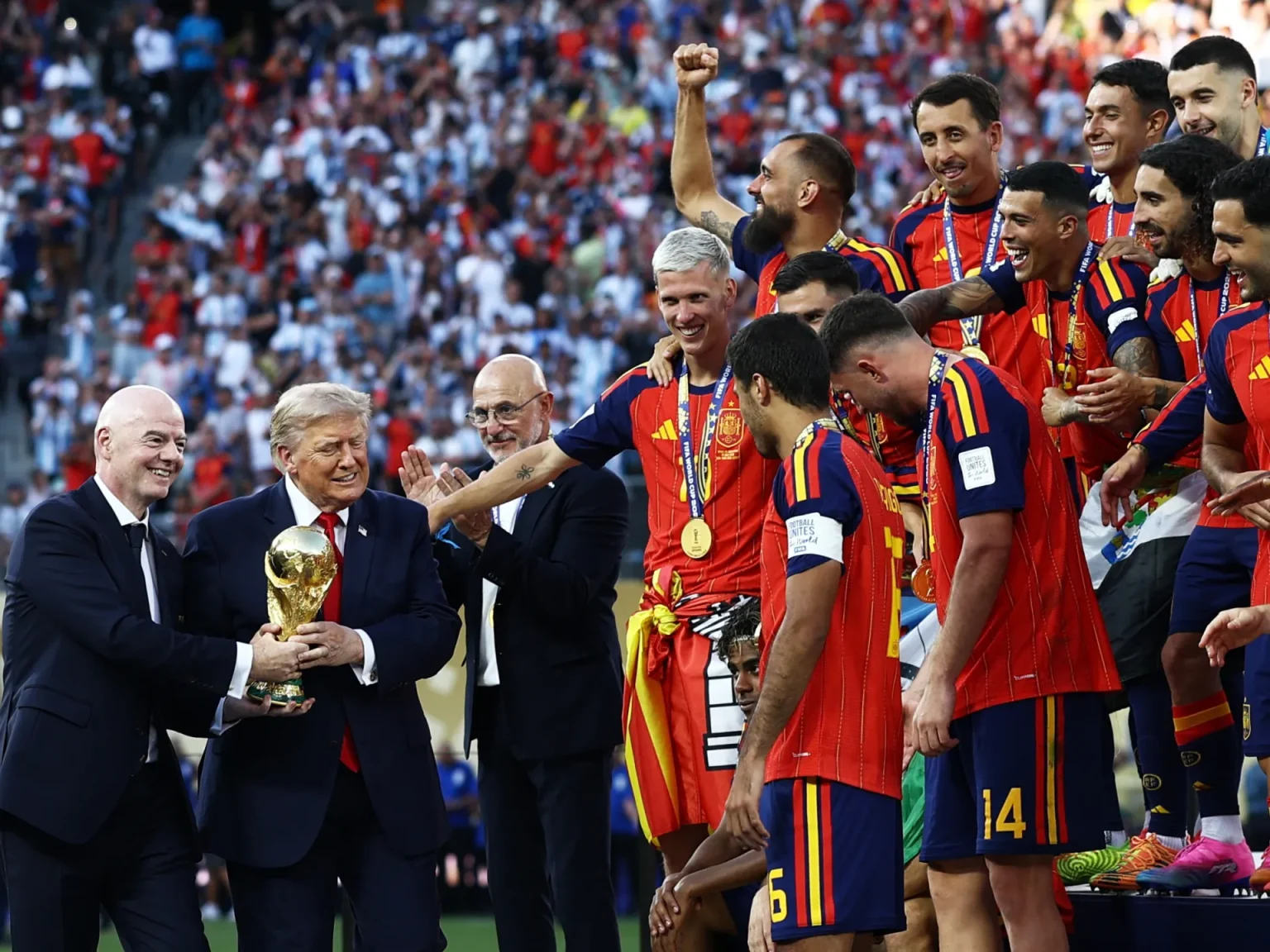
Spain clinched the 2026 World Cup final with a tense 1-0 extra-time victory over Argentina on July 20, 2026, at MetLife Stadium in East Rutherford, New Jersey. The solitary goal settled a tight match before a packed crowd, capping the expanded tournament that unfolded across the United States, Canada and Mexico.
Despite the expanded 48-team format producing a flood of matches and goals, the semifinals still featured heavyweights Spain, Argentina, France and England, underscoring the continuing influence of established footballing nations on the final stages of the competition.
2026 World Cup final match recap
The final was decided in extra time after 90 minutes ended level in a cautious encounter. Spain’s disciplined midfield and structured defense gradually took control as the game entered the added period, when a decisive attacking move produced the winning score, according to match reports.
Attendance at MetLife Stadium was substantial, and tournament organizers called the atmosphere “celebratory” despite earlier concerns about visa and ticket access for many fans. FIFA officials and political figures were on-site as Spain lifted the trophy, marking a high point for the nation’s football federation.
Expansion to 48 teams delivered drama and records
The expansion to 48 teams was a defining feature of this edition, delivering more fixtures, more goals and several record-setting moments, according to competition data. Tournament organizers said the format allowed smaller nations to reach wider audiences and produced surprise runs that captured global attention.
Cape Verde emerged as one of the tournament’s most compelling stories in its debut appearance, drawing with Spain and Uruguay and taking Argentina to extra time in the knockout stage. Meanwhile, Norway advanced to the quarterfinals for the first time in its history, energizing supporters with an iconic Viking-style celebration that became a viral image of the competition.
Spain vs Argentina: tactical themes and key trends
The Spain vs Argentina matchup highlighted contrasting tactical approaches. Spain relied on ball retention and coordinated pressing, while Argentina favoured quick transitions and individual quality in the final third. Both teams had opportunities in regular time, but disciplined defending and the high stakes kept scoring chances limited.
Coaches from both sides later noted fitness and substitution windows as pivotal factors, reflecting a broader tournament trend where managers used new stoppage protocols and additional breaks to manage player workload in hot conditions.
Organization, controversies and local impact
Organizers largely defused early worries about staging the tournament in the United States, with stadiums becoming multicultural hubs during the event. However, the World Cup was not without controversy. Critics decried soaring ticket prices and complex visa procedures that made live attendance difficult for working-class fans and some international travelers, according to multiple reports.
In Mexico, public celebrations were marred by tragedy when four people died during post-match crowd incidents, prompting authorities to pledge reviews of safety measures and crowd control protocols. Economic benefits for some host cities were reported, but analysts cautioned that long-term gains remain uncertain and will depend on follow-up investments and infrastructure planning.
Political interventions and debates over “Americanization”
The tournament also drew political attention. Reports of a controversial intervention by U.S. President Donald Trump seeking to influence disciplinary considerations drew criticism from football purists and governance specialists. FIFA and tournament officials declined to comment on private interventions, while some stakeholders called for clearer boundaries between political figures and sporting governance.
Meanwhile, many observers noted the increasing “Americanization” of match-day presentations, including halftime entertainment, frequent sponsor-led breaks and staged performances. Supporters of the changes argued that these elements broadened the event’s appeal and provided tactical reprieves for teams in extreme heat. Critics countered that the interruptions disrupted the flow of matches and catered too heavily to broadcast schedules.
What the World Cup means for future tournaments
The 2026 tournament has reopened discussions about format, access and the balance between commercial imperatives and sporting integrity. The presence of strong traditional powers in the final rounds will fuel debate over whether expansion genuinely levels the playing field or simply increases opportunities for upsets without changing ultimate outcomes.
Football federations and tournament organizers are expected to review the effects of the 48-team format over the coming months, assessing competitive balance, broadcast value and grassroots development in participating countries.
Looking ahead: timelines and what to watch
National federations will reconvene in the autumn to evaluate lessons from this World Cup, and FIFA has indicated a formal review of the event’s format and operational issues is forthcoming. Fans should watch for announcements on future tournament structures, ticketing reforms and potential regulatory changes intended to limit external political interference.
In the short term, attention will turn to domestic leagues and continental competitions as teams and coaches reassess squads ahead of the next international window. Observers will also track whether innovations introduced in this tournament, such as additional breaks and entertainment segments, become standard practice in elite football.