






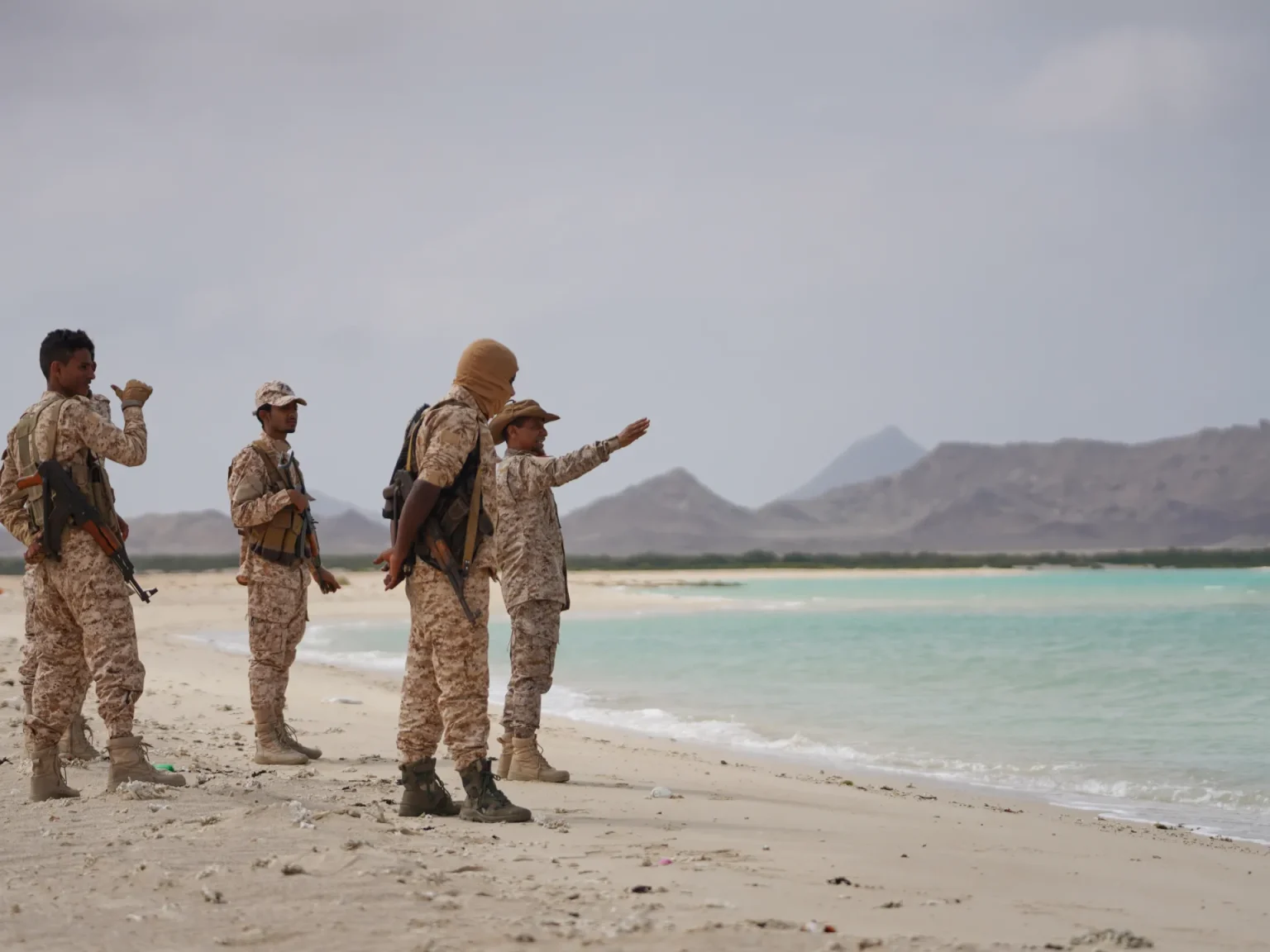

Maritime navigation ban draws regional condemnation
Qatar, Kuwait and Jordan condemned on Tuesday the Houthi military spokesman Yahya Sarea’s announcement of a maritime navigation ban targeting Saudi Arabia, calling the move unlawful and dangerous. The statement, made this month, accused the Houthis of imposing a “maritime navigation ban” and threatening freedom of movement in international waters, prompting swift diplomatic responses across the Gulf and the Levant.
Officials said the declarations came amid heightened rhetoric between the Iran-aligned Houthi movement and Saudi Arabia, with Riyadh rejecting the ban and pledging to protect commercial and national shipping. The foreign ministries of the three states urged the international community to uphold relevant United Nations Security Council resolutions and international maritime law.
Regional governments denounce the maritime navigation ban
Qatar’s foreign ministry issued a statement calling on the international community to fulfil its responsibilities under UN Security Council resolutions, including Resolution 2216 on Yemen and Resolution 2722 on the rights and freedom of navigation in the Red Sea. The ministry stressed that freedom of navigation in international waterways is a core principle of the 1982 United Nations Convention on the Law of the Sea, and reaffirmed Qatar’s full solidarity with Saudi Arabia.
Similarly, Kuwait’s foreign ministry expressed strong condemnation, describing the Houthi spokesman’s remarks as unfounded accusations against Saudi Arabia that include threats to maritime freedom. Kuwait urged strict implementation of Security Council decisions to protect regional stability and commercial lifelines.
Jordan’s Ministry of Foreign Affairs and Expatriates also denounced the statement as baseless and dangerous, reiterating its support for Saudi Arabia and emphasizing collective responsibility to preserve navigation rights. Jordan said it stands beside Riyadh in all measures taken to safeguard sovereignty, security and the safety of citizens.
Legal framework and UN resolutions cited
All three governments referenced international law and UN mandates in their responses, pointing to the legal prohibition on measures that interfere with freedom of navigation. Officials repeatedly cited UN Security Council Resolution 2216, which addresses the conflict in Yemen, and Resolution 2722, which affirms rights and freedoms of navigation in the Red Sea as matters of international concern.
The Gulf Cooperation Council Secretary-General Jassim Mohammed Al-Budaiwi warned that threats to maritime routes constitute clear violations of international law and international trade norms. He called for a firm response from the global community to deter any attempts to disrupt shipping lanes that support regional and global economies.
Saudi response and humanitarian context
Saudi authorities condemned the Houthi announcement and vowed to protect their vessels and economic infrastructure. The Saudi foreign ministry highlighted ongoing efforts, together with the legitimate Yemeni government, to alleviate humanitarian suffering in Yemen through development projects, budgetary support and fuel supplies for electricity generation.
Saudi statements noted that northern Yemeni ports — including Hodeidah, Salif and Ras Isa — received more than 300 vessels during the first half of 2026 carrying food, fuel, building materials and other goods, according to official remarks. The Kingdom underscored that operations at these ports continue under Security Council guidelines that prohibit the flow of weapons and military materiel intended to prolong conflict.
Security and commercial implications for the Red Sea and global trade
Analysts say any effective attempt to enforce a maritime navigation ban could have immediate consequences for shipping, insurance costs and supply chains that traverse the Red Sea and Bab al-Mandeb. The route is one of the world’s busiest for energy and container shipments, and disruptions would ripple across global markets.
Furthermore, coastal states and commercial operators face operational and legal dilemmas if a non-state actor asserts control over navigation. Shipping companies may reroute vessels to avoid risk, increasing voyage times and costs. Meanwhile, navies operating in the region could be drawn into more proactive escort and interdiction missions, increasing the potential for escalation.
Freedom of navigation and collective responsibility
Regional statements emphasized that freedom of navigation is not solely a commercial issue but a shared international obligation. Diplomatic notes urged multilateral enforcement of maritime norms, including enhanced coordination among naval coalitions, port authorities and international organizations to ensure safe passage.
Experts caution, however, that military responses alone cannot resolve the political drivers of the Yemeni conflict. Humanitarian access, political dialogue and enforcement of UN mandates remain key to reducing incentives for maritime coercion, they say.
Implications for diplomacy and next steps
Diplomatic channels are likely to intensify in the coming days as Gulf states press the UN and partner governments for coordinated responses. The three ministries called explicitly for implementation of Security Council decisions, signaling a push for formal action at the UN level or enhanced multilateral patrols to secure shipping lanes.
Observers will also watch statements from the UN, major trading states and maritime insurers for indications of coordinated policy, including potential legal action, sanctions or naval deployments. Any further Houthi measures or Saudi countermeasures would increase pressure on diplomatic mechanisms aimed at de-escalation.
What to watch next
Readers should monitor official UN and Security Council communications for potential resolutions or directives addressing the maritime navigation ban and regional security. In the short term, shipping advisories from major flag states and insurance updates will indicate commercial responses to the threat.
Longer term, progress will depend on renewed efforts to address the underlying conflict in Yemen and enforce international maritime law. The next week is likely to reveal whether the international community moves from condemnation to concrete measures to protect freedom of navigation and regional stability.