




Qatar mediation gains praise from former Kyrgyz prime minister
Former Kyrgyz prime minister Jomart Otorbayev told Al Jazeera on July 27, 2026, that Qatar mediation has become a preferred option for complex international negotiations. He said Doha’s reputation for neutrality and sustained diplomatic engagement has made the country a go-to host when hostile parties need a trusted venue to open talks.
Who said it, and why it matters
Otorbayev, speaking in an interview published July 27, described an international environment marked by rising tensions and frequent crises. He argued that most disputes eventually require direct negotiation and that states and nonstate actors increasingly turn to neutral hosts to convene those talks, citing Doha as a prominent example.
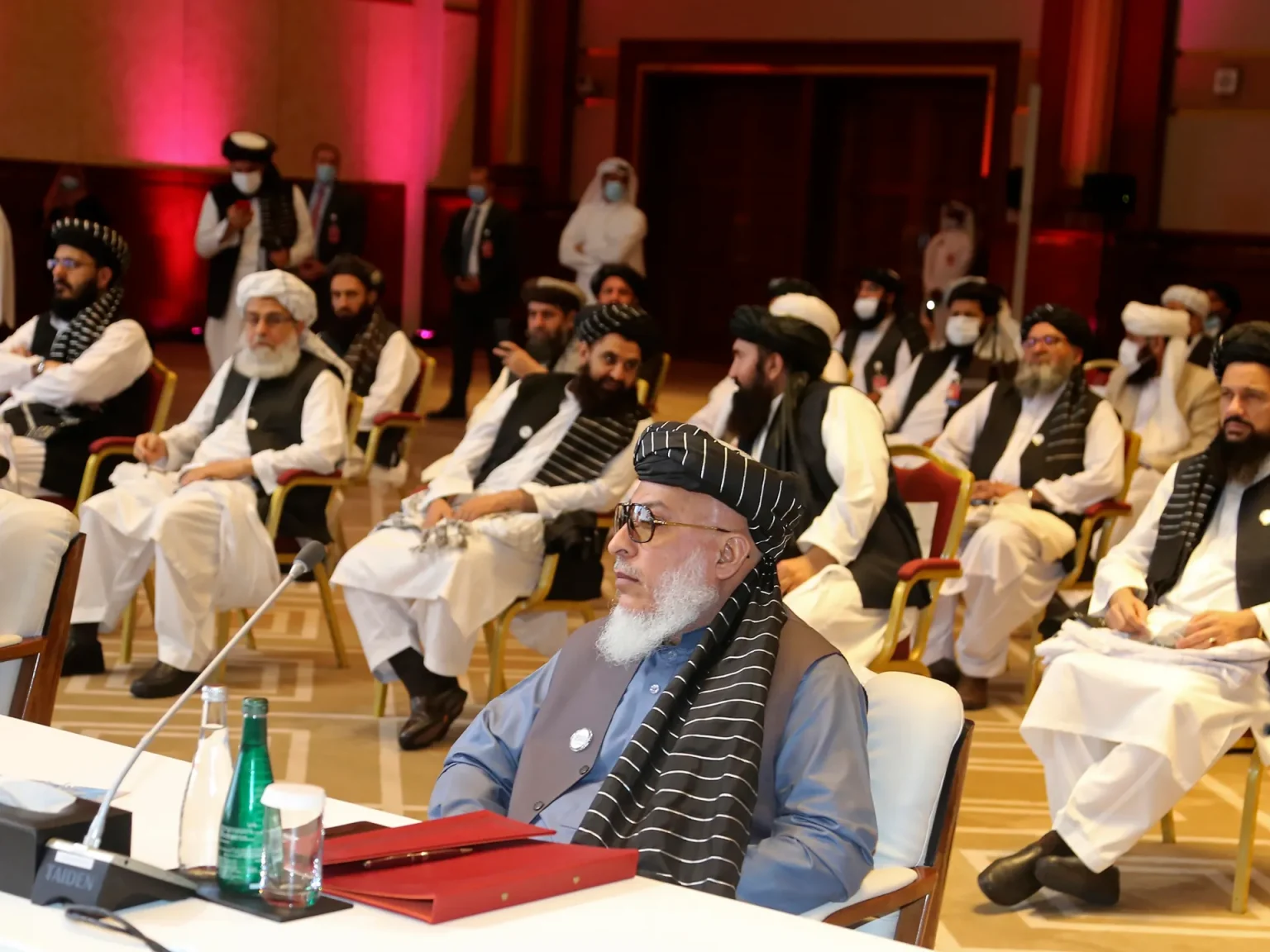
According to Otorbayev’s comments and contemporary reporting, Qatar’s recent record includes facilitation of Afghan peace discussions, involvement in exchanges between Russian and Ukrainian parties on children and detainees, and ongoing roles in communication channels between the United States and Iran. Therefore, observers say Doha diplomacy has expanded beyond regional issues to global mediation work.
Qatar mediation credentials
Analysts note that Qatar’s credentials rest on several factors: a sustained investment in diplomatic infrastructure, the willingness to engage across ideological divides, and the cultivation of relationships with actors that few other states can reach. Otorbayev pointed to Doha’s capacity to host delegations from groups that rarely meet directly, which has given Qatar leverage as a venue for back-channel and formal discussions.
Furthermore, Qatar has backed its convening role with institutional support, including neutral venues, secure communications, and procedural arrangements that help negotiate sensitive confidence-building measures. Additionally, the country’s active foreign ministry and frequent shuttle diplomacy contribute to the perception that Doha diplomacy is both practical and reliable.
Neutral mediator: why trust and credibility matter
Neutrality and perceived impartiality are central to successful mediation, and Otorbayev emphasized that Qatar’s standing in the Arab and Muslim worlds has not prevented it from acting as a neutral mediator. Instead, he said, Doha’s dual identity has helped bridge cultural and political gaps and eased access to parties reluctant to travel to other capitals.
For mediation to progress into concrete results in peace negotiations, parties must trust the host to safeguard confidentiality and to treat each side fairly. Qatar’s record of facilitating prisoner swaps, humanitarian issues, and talks on politically fraught topics has reinforced its image as a venue where sensitive arrangements can be brokered without immediate public backlash.
How Doha’s approach works in practice
Doha diplomacy typically combines discreet, often back-channel contacts with formal sitting sessions, legal advisers, and follow-up mechanisms. Mediators in Qatar tend to focus on confidence-building steps, such as agreements on humanitarian access or phased exchanges, before moving to broader political dialogue. Consequently, the process can stretch over months and require sustained facilitation from host authorities and international partners.
Otorbayev also noted that Qatar’s ability to maintain lines of communication with diverse actors—states, armed movements, and international organizations—allows it to respond flexibly to changing dynamics, a key attribute when negotiations stall or when new actors enter the process.
Challenges and international reactions
Despite the praise, Qatar’s role has prompted scrutiny. Some analysts caution that no single mediating state can guarantee outcomes and that hosts must guard against perceptions of bias or undue influence. Critics say the success of mediation should be judged by durable outcomes rather than the frequency of hosted talks, while supporters counter that access and continuity are prerequisites for any agreement.
Moreover, reliance on a single venue raises questions about burden-sharing among regional and global institutions. International organizations and third-party states may be needed to formalize and monitor agreements reached in Doha, especially when implementation requires resources, verification mechanisms, or legal guarantees.
Implications for regional peace negotiations and global diplomacy
If the trend Otorbayev describes continues, Qatar mediation could shape the architecture of future peace negotiations by normalizing venues outside traditional diplomatic capitals. This may open space for nontraditional actors to sit at negotiating tables, while also encouraging tailored processes that reflect local political realities.
At the same time, the growing role of Doha highlights the need for transparent follow-up and third-party oversight to turn interim agreements into lasting settlements. Governments and international bodies will likely seek clearer frameworks for engagement that balance the advantages of neutral venues with accountability and compliance mechanisms.
What to watch next
Observers should monitor statements from the Qatari Ministry of Foreign Affairs, announcements from negotiating parties, and reporting from multilateral organizations for signs of new mediation initiatives. In the coming months, attention will likely focus on any formalization of back-channel understandings brokered in Doha and on whether those understandings translate into verifiable steps on the ground.
For now, Otorbayev’s assessment reinforces the view that Qatar has become a prominent venue for difficult talks. Whether that prominence leads to more durable conflict resolution will depend on follow-through, the involvement of broader international mechanisms, and the willingness of parties to accept compromises reached under Doha’s auspices.