





Sheikh Hamad bin Khalifa legacy shapes regional response
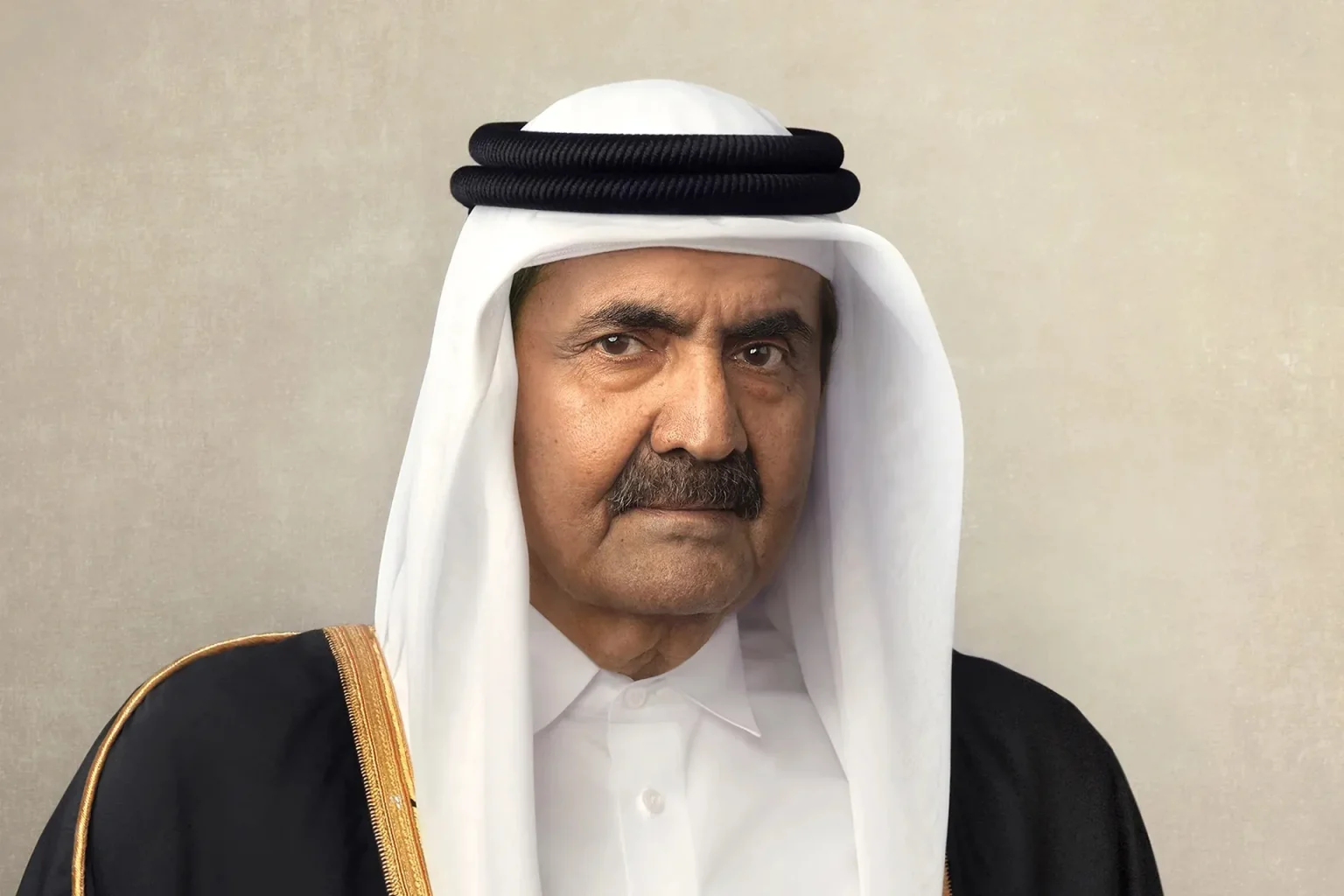
Sheikh Hamad bin Khalifa legacy is at the center of regional reflection following the death of Qatar’s former emir, officials and analysts said. The leader who guided Qatar through rapid economic and institutional change left a mark on media, diplomacy and domestic governance, prompting official condolences from across the Arab and Muslim worlds. International observers noted immediate expressions of grief and recognition of his role.
Immediate reactions and national mourning in Qatar
Qatari authorities announced official mourning and a series of ceremonial events, according to state statements. Foreign ministries and regional leaders issued messages emphasizing the late emir’s contributions to state-building and international mediation. Meanwhile, public tributes in Doha and abroad highlighted both personal admiration and political acknowledgement of how his tenure reshaped Qatar’s profile.
Qatar’s transformation under Sheikh Hamad
Analysts credit Sheikh Hamad bin Khalifa legacy with initiating policies that transformed a small Gulf emirate into a visible regional actor. Qatar’s transformation included infrastructure investment, expansion of state institutions, and efforts to diversify the economy beyond hydrocarbons. Furthermore, the former emir’s decision to pass power to his son in 2013 was widely seen as consolidating a succession precedent in the Gulf, and sources say it enhanced institutional credibility.
Media and soft power: the Al Jazeera effect
One of the most consequential elements of Sheikh Hamad bin Khalifa legacy was the backing of independent media outlets that altered information flows in the Arab world. Al Jazeera, launched in the mid-1990s and expanded under state support, introduced new standards of live reporting and political debate, according to contemporary press analysis. Media scholars and regional commentators argue that this shift amplified civil society voices and changed how political narratives circulated across borders.
Soft power and cultural influence
Qatar’s use of soft power during Sheikh Hamad’s rule extended beyond broadcasting. Investment in cultural institutions, academic partnerships and sports hosting drew global attention and created new venues for public diplomacy. According to commentators, these efforts helped Qatar punch above its demographic and geographic weight while projecting a model of cultural and economic openness that appealed to diverse audiences.
Diplomatic mediation and Gulf diplomacy
Officials and diplomats point to a sustained role for Qatar in regional mediation under Sheikh Hamad, which became a notable feature of Gulf diplomacy. Qatar hosted negotiations, engaged in shuttle diplomacy and cultivated working relationships with rival parties, enabling it to act as an interlocutor in complex disputes. Observers say that this diplomatic posture, sometimes controversial, also contributed to Qatar’s reputation as a pragmatic broker.
Balancing regional pressures
During episodes of tension with neighboring states, Qatari officials emphasized sovereign decision-making and independent foreign policy lines, analysts note. The country’s strategy blended engagement with global powers and regional actors, aiming to preserve both security partnerships and political autonomy. Such balancing acts are part of how the country’s recent diplomatic footprint was built.
Controversies and criticism
Sheikh Hamad’s tenure was not without critics. Western and regional commentators periodically criticized Qatar’s media positioning and selective foreign engagements, and some governments accused Doha of backing actors that complicated regional security. However, most assessments offered in the immediate aftermath emphasize a complex legacy of robust public diplomacy mixed with contested policy choices.
Humanitarian engagement and support for Palestine
Observers highlighted Qatar’s humanitarian initiatives and its vocal support for Palestinian causes as central elements of the late emir’s public record. Reported Qatari aid and diplomatic attention to Gaza and refugee assistance contributed to popular sympathy across parts of the Arab world, according to aid organizations’ summaries and press reports. These actions reinforced perceptions of Qatar as a state attentive to regional humanitarian needs.
Institutional continuity and succession
The transfer of power in 2013 to Sheikh Tamim bin Hamad Al Thani is often cited as a deliberate move to ensure continuity, and officials said the transition reinforced state institutions. Political analysts suggest that the smooth succession cemented a degree of domestic stability and signaled a commitment to planned governance. This element of the late emir’s record factors into assessments of his long-term impact.
International perspective and lasting influence
International commentators and regional experts say Sheikh Hamad bin Khalifa legacy will be studied as a case of strategic statecraft by a small, resource-rich country. His methods—combining media influence, investment in global institutions, and active diplomacy—offer a template for similar states seeking amplified international roles. Academic reviews and policy reports released in coming weeks are expected to examine these themes in more depth.
Looking ahead: what to watch next
In the short term, observers should watch official funeral arrangements, parliamentary or council sessions, and diplomatic delegations arriving in Doha, officials said. Analysts also expect statements from international organizations and think tanks that will contextualize the late emir’s policies. Over the medium term, attention will focus on how current leadership interprets and retools the strategic priorities associated with Sheikh Hamad bin Khalifa legacy.
Conclusion: a pragmatic legacy with global echoes
Sheikh Hamad bin Khalifa legacy combines tangible institutional changes with symbolic initiatives that reshaped regional media, diplomacy and cultural outreach. As Qatar moves through its formal mourning period and subsequent policy recalibrations, analysts advise watching successor leadership, official statements, and diplomatic activity for signals of continuity or change. Reports and scholarly assessments due in the coming months will further clarify the long-term implications.