






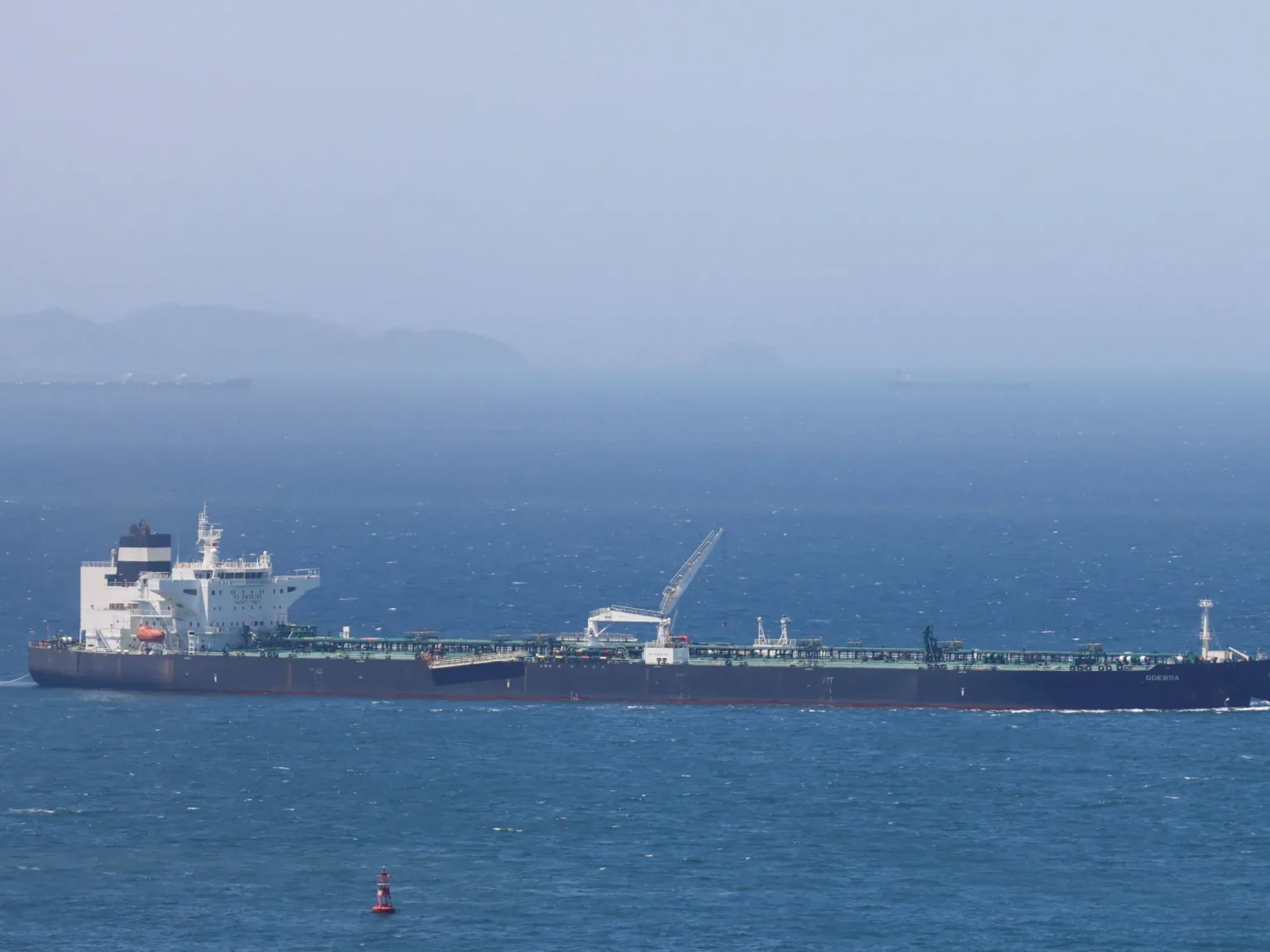

Iran has again targeted commercial shipping in the Strait of Hormuz, firing on a Qatar-flagged tanker on July 7, 2026, officials and regional statements indicate. The attack, which occurred as the tanker transited the busy waterway, prompted condemnations from Doha and Gulf institutions and raised fresh tensions over maritime security in the Gulf.
The Qatar foreign ministry called the strike an unacceptable assault on navigation safety and held Iran legally responsible for any resulting damage, according to a ministry statement. Meanwhile, the Gulf Cooperation Council secretary-general warned the incident endangered regional security, and U.S. sources told Axios that the Islamic Revolutionary Guard Corps had targeted a third commercial vessel in recent days.
Strait of Hormuz: Immediate Details and Reactions
The Qatar tanker was struck while following established routes near the Strait of Hormuz, a chokepoint that handles a large share of global oil shipments. Doha said the vessel was transiting lawfully and urged Iran to immediately halt practices that threaten navigation and energy supplies.
U.S. officials, cited by reporting outlets, characterized Tehran’s actions as a serious miscalculation. Deputy Assistant Secretary Joey Hood noted that the memorandum of understanding between Tehran and Washington does not grant Iran authority to use force over commercial transits, and he emphasized that passage is protected under international law and the United Nations Convention on the Law of the Sea.
Why Iran Says It Is Targeting Ships
Iran has justified strikes by citing an interpretation of Article 5 of a bilateral memorandum of understanding, which Tehran says assigns it responsibility for ensuring safe passage in certain waters. Analysts say Tehran is signaling it will enforce what it considers authorized routes and may use force against ships it deems in violation.
Researcher Ali Akbar Darini, who studies U.S.-Iran relations, told regional media that Tehran views attempts to establish alternative corridors as an infringement on that clause. He added that Iran has informed commercial vessels that those adhering to the memorandum’s permitted routes would be safe, while those taking unapproved tracks would face risks.
Legal and Diplomatic Implications of the Qatar Tanker Attack
International law experts stress that memoranda of understanding do not necessarily confer unilateral enforcement rights to apply military force in international straits. U.S. officials said the memorandum is not a treaty and does not override freedom of navigation obligations under the law of the sea.
Doha’s condemnation frames the strike as a breach of navigation security rather than an isolated maritime incident. The Gulf Cooperation Council echoed those concerns, describing the attack as an escalation that threatens trade flow and maritime safety in an already volatile region.
Southern Corridor and Regional Navigation Options
Analysts link the recent attacks to opposition inside Tehran to the Oman-led southern corridor, announced in June 2026 in coordination with the International Maritime Organization. The so-called Oman southern corridor runs along the Omani side of the Strait and is promoted as a safer alternative that steers vessels away from higher-risk zones.
Oman’s route along the Musandam peninsula aims to ensure free navigation and reduce the chance of ships encountering mines, harassment, or fees imposed by Iran, proponents say. Iran has signaled resistance to that initiative, viewing alternative routes coordinated with other states as a challenge to its asserted responsibilities under the memorandum.
Regional and International Responses
Qatar demanded an immediate halt to actions jeopardizing maritime security and cautioned Iran against threatening energy shipments for narrow political aims. The GCC secretary-general said the attack put crews at risk and could escalate into wider confrontations if unaddressed.
The United States has reiterated that vessels enjoy freedom of passage through international straits, and U.S. officials expressed surprise at Iran targeting a Qatari vessel that has acted as a mediator between Tehran and Washington. Axios reported that U.S. sources consider the latest strike part of a pattern of IRGC operations against commercial shipping.
Analyst Perspectives on Iran’s Strategy
Some observers argue Tehran’s actions reflect internal political dynamics as much as foreign-policy strategy. Political scientist Selim Zakhour suggested that targeting a Qatari intermediary offers no clear strategic advantage and may instead signal domestic divisions within Iranian decision-making bodies.
Others caution that Tehran could be using maritime pressure as leverage in wider talks with Washington. Iranian Foreign Minister Abbas Araghchi has reportedly conditioned continued negotiations on an immediate end to perceived U.S. threats, citing another clause in the memorandum as a basis for his position.
Potential Economic and Security Consequences
Repeated incidents in the Strait of Hormuz raise risks to global energy markets and shipping insurance costs, even if actual physical damage remains limited. Maritime operators and insurers are likely to reassess transits, and some carriers may opt for alternative routes or increased escorts, analysts say.
Furthermore, continued strikes could draw international naval patrols or coordinated diplomatic pressure to protect commerce, increasing the scope for miscalculation. Regional states that back the Oman southern corridor may accelerate implementation or seek broader maritime security arrangements as a response.
What to Watch Next
Observers should monitor diplomatic engagement between Tehran, Doha, Muscat and Washington in the coming days to see if tensions de-escalate or deepen. Key indicators include statements from the International Maritime Organization, movement of commercial shipping into the Oman southern corridor, and any further incidents reported by commercial operators or naval sources.
For now, the Qatar tanker strike underscores a fragile balance in the Gulf, where legal arguments, regional initiatives and national security calculations intersect. Shipping companies, regional capitals and international bodies will be watching closely to determine whether a new pattern of maritime coercion is emerging or if diplomacy will halt further attacks.