






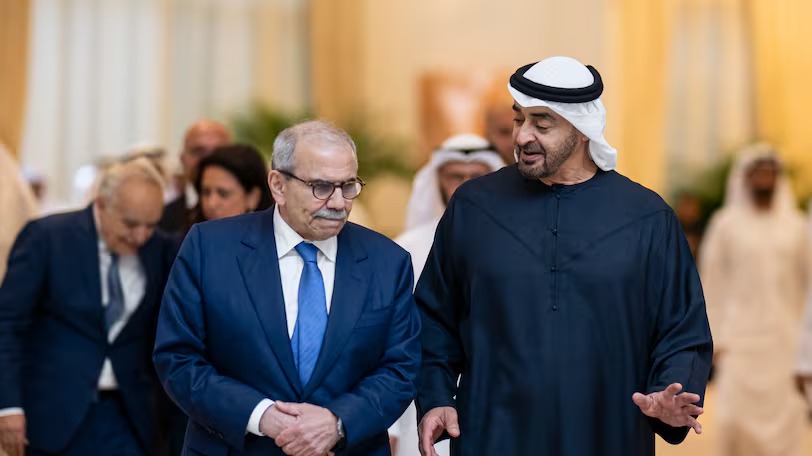

UAE travel to Lebanon: Official Thanks from Lebanese Prime Minister
Lebanese Prime Minister Nawaf Salam expressed gratitude to President Sheikh Mohamed bin Zayed Al Nahyan after the United Arab Emirates announced a decision allowing Emirati citizens to travel to Lebanon. The announcement, posted by Salam on the social media platform X, framed the move as a sign of enduring fraternal ties between the two countries and renewed confidence in Lebanon’s stability.
The first public acknowledgement came shortly after UAE authorities issued the travel approval, which permits United Arab Emirates nationals to visit Lebanon without the previous restrictions. Salam thanked the UAE leadership on behalf of the Lebanese state and himself, saying the decision reinforces strong bilateral relations and paves the way for closer cooperation.
Diplomatic Context and Lebanon-UAE Relations
The UAE’s decision to resume or permit UAE travel to Lebanon follows months of diplomatic engagement and consultations between senior officials, according to official statements. Lebanon and the UAE maintain extensive political and economic ties shaped by trade links, a significant Lebanese expatriate population in the Gulf, and shared regional interests.
Furthermore, Lebanese leaders have been actively pursuing support from Gulf partners amid domestic economic and political challenges. The UAE move is being read by diplomats and analysts as a gesture of support and an attempt to stabilise relations that matter to both capitals, officials said. Therefore, this step may signal renewed confidence in Lebanon’s capacity to host visitors and resume normal bilateral activity.
Practical Implications for UAE travel to Lebanon
For travelers, the immediate effect of the UAE decision is procedural: Emirati citizens can plan visits to Lebanon for tourism, family, and business purposes in line with the requirements set by both countries. Travelers should consult official UAE ministry guidance and Lebanese entry rules, which may include health or documentation requirements, before departure.
Airlines and tour operators serving routes between the UAE and Beirut are expected to adjust schedules and services to match demand. Moreover, trade and business delegations could gain greater freedom to conduct meetings and investments, subject to the relevant economic and regulatory frameworks. Meanwhile, hospitality and retail sectors in Lebanon may see a modest uptick in bookings and commerce as travelers book stays and activities.
Political and Economic Implications
Politically, the UAE decision to permit UAE travel to Lebanon carries symbolic weight. Leaders in Beirut described the move as an endorsement of bilateral cooperation and a restoration of trust. Diplomats caution that while symbolic steps can ease tensions and encourage engagement, sustainable improvement depends on concrete policy changes and economic reforms in Lebanon.
Economically, renewed movement of people can help revive service sectors and remittance flows tied to travel and business. The Lebanese government has been seeking ways to stimulate foreign investment and tourism; therefore, easier travel access from a wealthy Gulf state provides a potential boost. However, analysts note that broader macroeconomic stability and predictable governance will be necessary to convert short-term gains into lasting recovery.
Reactions at Home and Abroad
Within Lebanon, political leaders and business groups welcomed the UAE decision as constructive and encouraging. The prime minister’s public thanks reflects an official tone of gratitude and reciprocity, according to the statement posted on X. Observers say the reaction in Beirut is likely intended to reinforce a message of openness to cooperation with Gulf partners.
Regional actors and international observers are likely to interpret the move as part of wider diplomatic recalibrations in the Middle East. Countries with vested interests in Lebanon will monitor whether the renewed travel ties lead to deeper engagement on security, humanitarian assistance, or economic projects. Therefore, this development may become a reference point in discussions on regional stability.
Practical Guidance for Travelers and Businesses
Officials advise Emirati travelers to verify passport validity, visa requirements if applicable, and any health-related protocols before travel. Airlines and travel agencies typically issue updated guidance following such policy changes, and travelers should check with carriers for flight availability and baggage allowances. Furthermore, businesses planning trips should coordinate with host partners and consult consular services for assistance.
Additionally, Lebanese service providers aiming to welcome Emirati visitors should prepare to meet expectations regarding hospitality, security, and financial transactions. Payment systems, customer service standards, and clear communications in Arabic and English can ease arrivals and foster repeat visits, industry experts say. Therefore, practical preparedness on both sides will influence the immediate success of resumed travel.
What to Watch Next
Observers should watch for formal guidance from UAE and Lebanese ministries detailing entry requirements, consular support, and any conditions attached to the travel decision. Timetables for increased airline connectivity and announcements from commercial operators will also indicate how quickly travel volumes recover. Meanwhile, diplomatic channels may announce follow-up visits or ministerial talks to build on the decision.
In conclusion, the UAE move to allow UAE travel to Lebanon and the prime minister’s public expression of thanks mark a notable step in bilateral relations. Stakeholders should monitor subsequent policy clarifications and commercial responses to assess whether this development translates into sustained economic and diplomatic momentum over the coming months.