





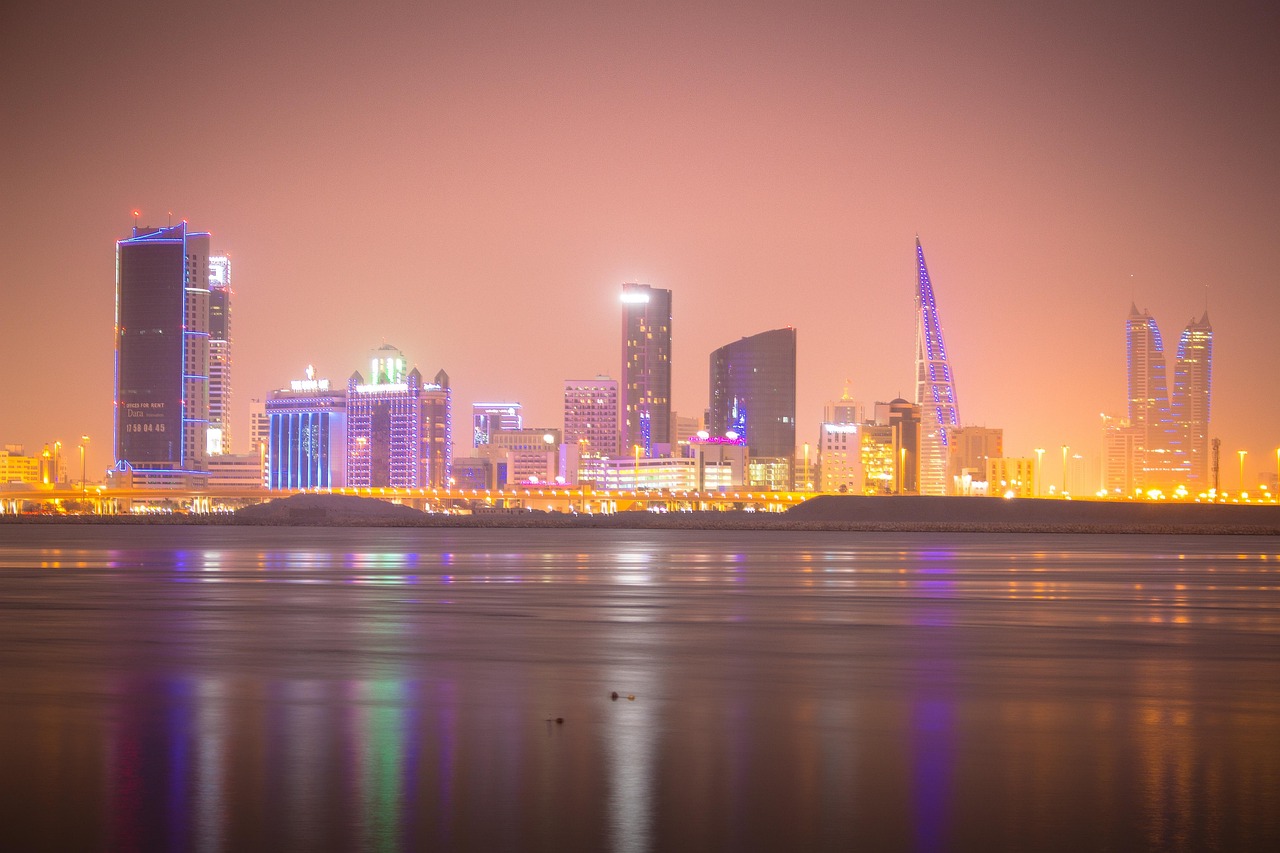

The Best Business Opportunities in Bahrain 2026 are concentrated where regulatory openness, logistics, and regional connectivity meet growing consumer demand. Bahrain’s compact size, liberal commercial laws compared with several neighbors, and focused economic diversification programs make it an attractive base for fintech, logistics and re‑exports, hospitality and tourism investments, renewable energy projects, and targeted manufacturing. For entrepreneurs and investors planning travel and initial market visits, Manama and the Bahrain International Airport (BAH) are the obvious gateways to meetings, free zones and government agencies.
This guide explains the most promising sectors for 2026, practical steps to evaluate opportunities, travel and lodging tips for business visitors, and mistakes to avoid when researching or visiting Bahrain. It gives direct, actionable guidance you can use to scope a trip, arrange meetings with local partners, and understand where the market is moving without pretending to offer legal or visa advice—check official sources for up‑to‑date rules.
Quick Answer
Quick answer: The Best Business Opportunities in Bahrain 2026 are fintech and digital financial services, logistics and re‑exports, hospitality and tourism development, renewable energy and green tech, targeted manufacturing (light industry and aluminum downstream), healthcare and medical services, and e‑commerce/retail. Manama, Bahrain Bay, and economic free zones are the primary locations to start, and short, business‑focused trips through Bahrain International Airport (BAH) are efficient for due diligence and partnership building.
Key Takeaways
- Bahrain is especially competitive for fintech, logistics, hospitality, renewables, and small‑scale manufacturing.
- Manama and Bahrain Free Zones offer close access to regulators, banks, and incubators—ideal for pilot projects.
- Plan an on‑the‑ground visit: meet the Bahrain Economic Development Board, local banks, and potential distributors.
- Budget for short, intensive visits and leave time to view sites in Seef, Muharraq, and Sitra for logistics and industrial space.
- Check visas, business registration, and licensing requirements with official government portals before booking travel.
Why Bahrain in 2026? A Straight Answer
Bahrain’s economy has focused on diversifying away from oil for years, creating a policy environment that encourages foreign direct investment and startups. The island’s size makes it easy to move quickly from regulator meetings to potential partners and to inspect sites in one or two days. Its geographic position in the Gulf places it as a trading and service hub between Saudi Arabia, the UAE, and the wider GCC.
Top Sectors: Best Business Opportunities in Bahrain 2026
1. Fintech and Digital Financial Services
Why it’s attractive: Bahrain has a track record of progressive fintech regulation and a regional reputation for financial services. Opportunities exist in payments, digital banking services, regtech, and Islamic fintech solutions tailored to GCC needs.
Entry tips: Consider a regional pilot or join a fintech sandbox if available. Partner with local banks and look for coworking hubs in Manama and Bahrain Bay.
2. Logistics, Re‑exports, and Warehousing
Why it’s attractive: Bahrain’s ports and road links to Saudi Arabia enable fast re‑exports and distribution across the GCC. Investors can develop bonded warehouses, last‑mile logistics, or value‑added packaging services.
Where to look: Sitra, Khalifa Bin Salman Port, and logistics zones near Bahrain International Airport are logical bases for inspection visits.
3. Hospitality, Tourism and Experiences
Why it’s attractive: With growing regional leisure travel and events, boutique hotels, serviced apartments, and experience‑based tourism (cultural, motorsport, marine) are in demand. Hospitality links well to short‑stay business travel and conferences in Manama.
Practical note: Conduct market research on seasonality and conference calendars; inspect potential properties in Manama, Amwaj Islands, and Bahrain Bay.
4. Renewable Energy and Green Tech
Why it’s attractive: Bahrain has announced ambitions to boost renewables; private projects for solar, energy efficiency, and water‑saving technologies can find local partners and government incentives.
Entry tips: Focus on public‑private partnerships, pilot projects for industrial energy use, and solar for large commercial properties.
5. Healthcare, Education and Professional Services
Why it’s attractive: An aging regional population and demand for quality private healthcare and vocational training create space for clinics, specialty hospitals, telemedicine, and professional training centers.
Where to start: Network with hospitals in Manama and accreditation agencies; consider joint ventures with Bahraini providers.
6. E‑commerce, Retail and Consumer Goods
Why it’s attractive: High internet penetration and mobile payments create openings for niche e‑commerce, cross‑border marketplaces, and pop‑up retail concepts. Logistics and payment integration are key.
Tip: Test products via regional marketplaces and local social commerce platforms before committing to physical retail space.
Practical Comparison Table: Quick Sector Snapshot
| Sector | Why Attractive | Best First Step |
|---|---|---|
| Fintech | Regulatory support, regional hub potential | Meet regulator and banks in Manama |
| Logistics | Port access, GCC connectivity | Inspect Sitra/Khalifa port and warehouses |
| Hospitality | Growing events and leisure travel | Survey properties in Bahrain Bay and Amwaj |
| Renewables | Government targets, industrial demand | Identify pilot commercial projects |
How to Evaluate Opportunities on a Short Business Visit
Plan meetings with regulators and local partners
Book time with the Bahrain Economic Development Board, relevant ministries, and local banks. These meetings clarify incentives, licensing pathways, and sector priorities.
Inspect physical sites and speak to operators
View free zone offices, industrial plots, and hotel properties in person. Talk to tenants, logistics operators, and local service providers to validate assumptions.
Use local advisors
Hire a reputable local legal or accounting firm for initial due diligence. They will point out compliance steps and typical timelines—don’t skip this step.
Mistakes to Avoid When Considering Bahrain
- Avoid assuming registration is the same as operating permission—licensing and sector approvals can differ.
- Don’t skip on‑the‑ground validation—market size in Bahrain is modest; regional scale often matters.
- Don’t ignore cultural business practices—face‑to‑face meetings and introductions through local contacts still matter.
Best Tips for Planning Your Trip to Explore Business in Bahrain
- Fly into Bahrain International Airport (BAH) and stay in central Manama or Bahrain Bay for quick access to government offices and business hubs.
- Schedule meetings in the morning; many government and bank offices are busiest then. Leave afternoons for site visits and market reconnaissance.
- Book accommodation near Seef or Adliya if you want a mix of business convenience and dining options.
- Arrange local transport ahead of time—rideshares and rental cars are common, and distances are short across the island.
- Carry digital copies of company documents and prepare concise pitch materials suited to short, focused meetings.
- Check visa rules, local public holidays, and any health or travel advisories with official Bahraini government and embassy websites.
Who Is This Best For?
This market is best for small to medium enterprises, fintech startups seeking a Gulf base, logistics providers targeting re‑exports to the GCC, hospitality investors looking for boutique or event‑driven concepts, and renewable energy companies able to run pilot projects. Bahrain is especially suited to firms that need a nimble, regulatory‑friendly hub to scale into neighboring Gulf markets.
Is It Worth It?
Short answer: Yes, for targeted businesses. Bahrain offers a pragmatic, accessible gateway into the Gulf with particular strengths in finance, logistics and innovation. The island’s limited domestic market means success usually depends on regional expansion plans rather than Bahrain sales alone, so it’s most worthwhile for those using Bahrain as a hub rather than a solitary market.
Practical Travel and Safety Notes for Business Visitors
Safety in Bahrain is generally good for business travelers. Standard travel insurance is recommended; check the policy covers business activities and any medical evacuation needs. Local banks, coworking spaces, and international hotels in Manama offer reliable business facilities. When arranging meetings, confirm time, location and required IDs in advance.
Conclusion
Bahrain in 2026 offers clearly defined advantages for certain business models: fintech and financial services, logistics and re‑exports, hospitality tied to events and regional tourism, renewables pilots, and niche manufacturing. Use short, focused visits to meet regulators, inspect sites, and test pilot projects. With careful planning, local advisors and a regional scaling mindset, Bahrain can serve as an efficient Gulf base that opens wider GCC opportunities.
Frequently Asked Questions
What are the fastest‑growing sectors for investment in Bahrain 2026?
Fintech, logistics/re‑exports, hospitality and renewable energy are among the fastest‑growing sectors. These areas have policy support and clear regional demand drivers, making them attractive after on‑the‑ground validation.
Where should I stay when visiting Bahrain for business?
Stay in Manama or Bahrain Bay for proximity to government offices, banks and business hubs; Seef and Adliya also offer good access to dining and services. Choose a hotel with business facilities and reliable transport links to Bahrain International Airport (BAH).
Do I need a local partner to start a business in Bahrain?
Not always—Bahrain has flexible ownership structures for many sectors, but requirements vary by activity and licensing. Consult official government guidance or a local advisor to confirm sector‑specific rules before committing.
How long should a scouting trip to Bahrain be?
A focused 3–5 day trip is often sufficient for introductory meetings, site visits and regulatory briefings. Allow additional time if you need deeper due diligence or plan to finalize agreements.
Are there free zones or incentives for foreign investors?
Yes—Bahrain offers free zones and incentives targeted at specific industries, though details change and approvals are activity‑specific. Check with the Bahrain Economic Development Board or free zone authorities for current offerings.
Is Bahrain a good base for expanding into the GCC?
Yes—Bahrain can be an effective regional hub due to its regulatory openness and strategic location. Success depends on a plan for cross‑border distribution or partnerships to access larger GCC markets.
What travel documents should business visitors check before travel?
Check visa requirements, passport validity rules, and any business‑related entry documents via Bahraini government and embassy websites. Rules can change, so verify closer to your travel date.