







Sharjah employment plan 2026 approved to create 3,000 jobs
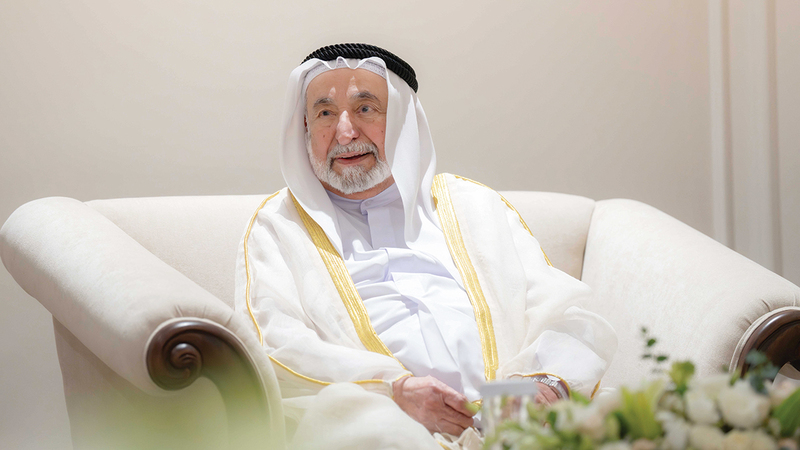
His Highness Sheikh Dr. Sultan bin Muhammad Al Qasimi, Member of the Supreme Council and Ruler of Sharjah, has approved the Sharjah employment plan 2026, which aims to provide 3,000 jobs for Emirati citizens across government entities in the emirate. The decision, announced in an official release, sets a clear timeline for hiring and staff development throughout 2026 in Sharjah.
The plan specifies immediate and phased appointments: 650 positions to be filled by June 18, 2026; 200 posts currently in final appointment procedures; an additional 650 roles to be occupied by July 31, 2026; and 1,500 further vacancies to be opened between August and December 2026. Officials said the combined measures are designed to support national workforce goals and strengthen family and community stability.
Details of job distribution and timelines for Sharjah employment plan 2026
The Sharjah employment plan 2026 lays out a staged recruitment schedule to ensure steady intake rather than a single hiring surge. According to the official statement, the early June tranche targets 650 hires, while the late July stage will add another 650, supplementing the 200 positions already progressing through appointment procedures.
Between August and the end of December, government entities will recruit 1,500 additional employees, bringing the total to 3,000 for the year. Therefore, the plan balances immediate placement needs with longer-term staffing requirements and coordination across multiple departments and agencies.
Promotions, salary adjustments and training components
In addition to recruitment, the ruler approved promotions for 1,864 government employees, with an annual cost estimated at AED 45,500,000. Officials also authorized the adjustment of employment records for 125 staff members who obtained higher academic qualifications, at an annual cost of AED 5,000,000. These measures are intended to recognize experience and educational advancement within the national workforce.
Furthermore, His Highness directed implementation of the Sharjah program to prepare and train job seekers, targeting 410 citizens between July and December 2026. The training program includes stipends and incentives with total remunerations amounting to AED 14,760,000, according to the emirate’s release. Together, these elements aim to improve employability while supporting livelihoods.
Why the plan matters: economic and social context
Officials framed the Sharjah employment plan 2026 as part of a broader effort to boost Emirati participation in the public sector and to enhance social stability. By coordinating hiring, promotions, and training, Sharjah authorities seek to reduce unemployment pressure among nationals and ensure a pipeline of qualified public servants.
Additionally, the program supports family stability by providing secure government employment and predictable career progression. Analysts note that government hiring often serves as a stabilizing force in the labor market, especially when combined with upskilling initiatives that align with institutional needs.
Implications for government hiring and workforce planning
The plan signals a sustained commitment to government hiring in Sharjah during 2026 and creates expectations for more systematic workforce planning across departments. Human resources officials in government entities will be responsible for aligning recruitment cycles, budgeting for promotions, and integrating graduates into public service roles.
Furthermore, the training component could help bridge short-term skill gaps while reducing long-term recruitment costs by improving retention. In contrast to ad hoc hiring drives, this phased approach allows agencies to monitor recruitment outcomes and adjust job descriptions or training modules as needed.
Coordination and administrative steps
Implementation will require close coordination among the Ruler’s office, human resources departments of government entities, and vocational training centers. Officials indicated that appointment procedures, verification of qualifications, and payroll adjustments will follow existing civil service regulations, and that timelines are subject to administrative review.
Meanwhile, the stipend program for job seekers is expected to operate through participating training institutions and government-supported employment schemes. The report indicates that monitoring mechanisms will track program uptake and measure subsequent placement rates.
What to watch next
Stakeholders should watch for official announcements of application windows, specific job listings, and details on eligibility criteria for each tranche of hires. Recruitment portals and government HR offices are likely to publish vacancy notices ahead of the June and July deadlines, while the August–December intake will be rolled out in stages.
Additionally, follow-up reports on the impact of promotions and the training program will provide insight into how effectively the plan supports long-term national workforce objectives. Observers should also monitor budgetary adjustments in later 2026 fiscal statements for confirmation of the stated annual costs.
Conclusion and next steps
The Sharjah employment plan 2026 represents a comprehensive effort to add 3,000 government jobs, promote existing staff, and train job seekers over the course of the year. According to the official release, the phased timetable and associated financial commitments aim to balance immediate hiring with sustainable workforce development.
Readers should expect detailed vacancy announcements and application procedures in the coming weeks, with the first major hiring milestone set for June 18, 2026. Moving forward, monitoring recruitment outcomes and training effectiveness will be essential to assess the plan’s contribution to Sharjah’s employment and social stability objectives.