






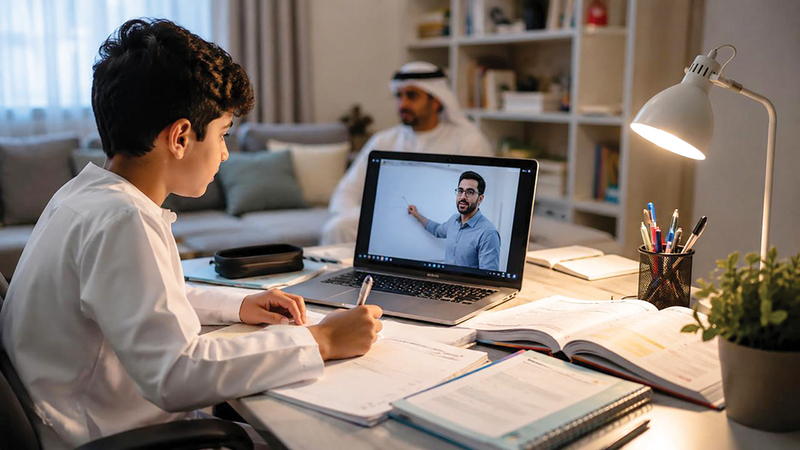

Virtual revision classes expand across UAE schools
Days before end-of-term exams scheduled from June 24 to July 3, 2026, many public and private schools following the Ministry of Education curriculum have broadened academic support by launching virtual revision classes. The online sessions are held from students’ homes in the hours immediately before each test to reinforce key concepts, answer last-minute questions and address exam readiness.
Who is offering the sessions and how they are scheduled
School administrators told Emirates Today that virtual revision classes are now part of standard preparation plans for final assessments. Sessions are typically short, subject-focused meetings led by classroom teachers and scheduled on the eve of or the morning of each subject’s exam.
Furthermore, schools said these digital meetings do not add formal instructional hours. Instead, they aim to deliver targeted academic support and exam strategies in concentrated blocks to maximize effectiveness and reduce student overload.
How teachers structure final-hour online sessions
Teachers described the format as a mix of quick concept reviews, practice questions and troubleshooting of common mistakes. According to subject coordinators, sessions emphasize reading the question carefully, applying key formulas or rules, and time-management tips for the testing environment.
In math classes, for example, short model problems are demonstrated and then solved together, while language sessions focus on answering techniques and common pitfalls. In addition, some schools incorporate brief mindfulness or confidence-building segments to help students manage exam anxiety.
Student, teacher and parent experiences with virtual revision classes
Educators reported higher engagement during these late-hour reviews, noting that some students who are reluctant to ask questions during regular lessons become more participatory in smaller digital groups. Coordinators said this has helped surface individual doubts that might otherwise go unaddressed.
Parents interviewed by school staff said the online reviews reduced the need to seek external tutoring and provided direct, curriculum-aligned guidance at home. Many families also welcomed the increased visibility into what students were revising and where they needed extra support.
Practical benefits seen in the run-up to exams
School leaders stressed that the goal is not to increase study time but to focus efforts where they matter most. Teachers use the sessions to simulate likely question types and to highlight frequent errors, helping students make efficient use of the final hours before an exam.
Remote tutoring through school-managed channels allows a coordinated approach between teachers and parents, enabling follow-up at home and clearer tracking of progress ahead of the exam window.
Why schools are adopting virtual revision classes now
Administrators said the move reflects broader shifts toward blended learning and more flexible academic support. The model connects classroom instruction with home-based review, reinforcing concepts when students are most likely to review them before an assessment.
Education specialists see the sessions as a quality-control measure that helps standardize last-minute preparation and reduce reliance on external resources. As a result, schools can ensure that revision aligns closely with Ministry of Education objectives and the specific content of end-of-term exams.
Challenges, equity and quality assurance
While school officials highlighted several benefits, they also noted challenges. Access to reliable internet and quiet study space remains uneven for some families, which can affect who benefits from virtual revision classes. Schools said they are monitoring participation and adapting times or providing recorded summaries where appropriate.
Quality control is another focus. Administrators indicated that sessions are planned by subject teams to ensure consistency and to avoid duplicating material covered during the school day. This approach also helps maintain a clear separation between teaching and last-minute review.
Outcomes and what to watch next
Although formal outcome data are not yet available, school leaders expect that targeted online revision will improve students’ confidence and reduce test-related stress. Officials plan to review participation metrics and feedback after the exams conclude to refine the model for future assessment periods.
Parents and educators will likely watch for post-exam evaluations and any guidance the Ministry of Education issues on best practices for blended revision. Schools may extend selected elements of the approach into regular coursework if results indicate broader benefits.
Looking ahead: next steps through the exam period
As final exams approach on June 24, schools said they will continue offering virtual revision classes through the closing exam date on July 3. After the exam period, administrators expect to collect teacher and parent feedback and to assess whether to formalize the online review program for future terms.
Readers should watch for school announcements about recorded materials, follow-up sessions for students who need additional support and any Ministry-level guidance on remote academic support during assessment periods.