






Bahrain education memorandum strengthens medical pathways for students
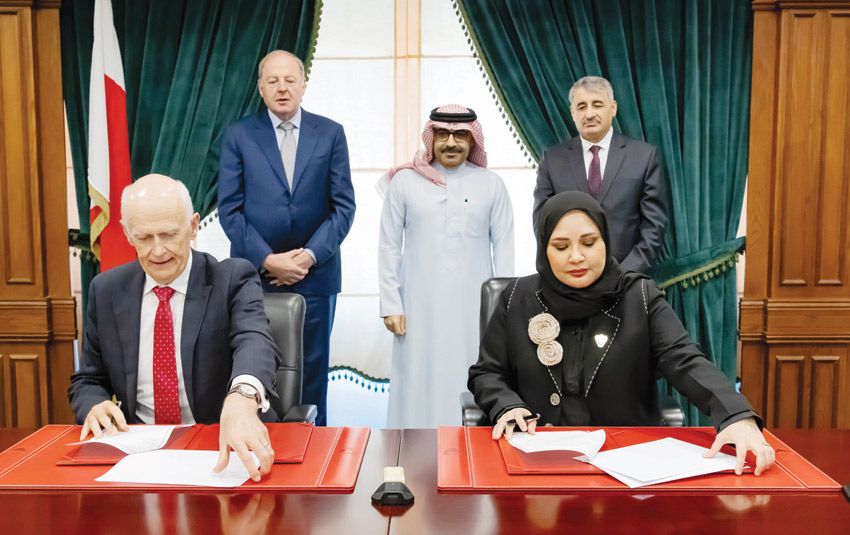
The Bahrain education memorandum was signed recently between the Ministry of Education and the Royal College of Surgeons in Ireland – University of Bahrain Medical College (RCSI), officials said. The agreement, witnessed by Minister Dr. Mohammed bin Mubarak Juma and senior RCSI representatives, aims to prepare secondary students interested in health and medical specialties through preparatory workshops and guidance programs.
According to the ministry, the memorandum formalizes cooperation on practical exposure, ethical training, and clinical communication skills for prospective university entrants. The signing took place in Manama with RCSI Dublin and RCSI Bahrain leadership present, and it reflects an intention to bridge school-level preparation with higher medical education requirements.
Details of the agreement and participating parties
Under the memorandum, Suha Saleh Hamada, Director General for School Affairs at the Ministry of Education, signed on behalf of the ministry and Professor Cahal Kelly, Deputy President and Chief Executive of RCSI Dublin, signed for the college. The collaboration includes RCSI’s Bahrain campus leadership, led by Professor Samir Atoum, working alongside ministry officials to deliver the programs.
Officials described the agreement as part of RCSI’s community engagement and the ministry’s strategic effort to align secondary curricula with university expectations. Furthermore, the arrangement identifies a series of pilot activities such as introductory lectures, hands-on workshops, and mentorship sessions tailored to students aiming for medical and allied health degrees.
How the Bahrain education memorandum will benefit secondary students
The ministry stated the initiative will help secondary students gain early familiarity with healthcare environments, clinical teamwork, and patient interaction. Therefore, participants should develop foundational competencies in communication, ethical practice, and basic clinical reasoning before beginning university-level medical training.
Additionally, RCSI representatives noted that the programs are designed to demystify medical careers and provide realistic previews of student life in health sciences. This early exposure is expected to support better-informed application decisions and to reduce transition shock when students enter intensive medical programs.
RCSI’s role and educational resources
RCSI Dublin emphasized that the memorandum integrates the college’s educational resources into a school-focused framework. According to RCSI officials, faculty and clinical educators will contribute to workshops, simulation-based learning sessions, and advisory lectures, all adapted for a secondary-student audience.
Meanwhile, RCSI Bahrain will coordinate local logistics and ensure that clinical skills activities meet safety and supervision standards appropriate for minors. The collaboration also enables the exchange of curricular best practices between the ministry and the college to inform future school-level guidance and preparatory offerings.
Implications for medical education and workforce development
Education analysts say the Bahrain education memorandum could contribute to a more resilient pipeline of candidates for health professions by improving readiness and reducing attrition in early university years. By aligning pre-university exposure with higher-education expectations, the initiative may enhance retention and ultimately support national health workforce planning.
Furthermore, the emphasis on ethics and communication echoes broader trends in medical education that prioritize patient-centered care and professional behavior. Therefore, students who participate are likely to enter university programs with clearer expectations and stronger foundational soft skills.
Supporting equitable access and guidance
Officials indicated the programs will target a broad range of schools to encourage equitable access to preparatory experiences. The ministry’s role in identifying participating schools and students is meant to ensure that opportunities reach those with academic potential and interest but limited exposure to clinical settings.
Implementation timeline and next steps
While no fixed national rollout date was published, the ministry and RCSI described a phased approach beginning with pilot workshops and assessment of outcomes. The initial phase will collect feedback from students and teachers to refine content, delivery methods, and evaluation metrics.
Stakeholders said future steps may include scaling successful modules across more schools and integrating online resources to increase reach. Readers should watch for ministry updates and RCSI announcements that will clarify the schedule for pilot activities and broader implementation.
Context and international collaboration
The memorandum is part of a larger pattern of international partnerships that connect secondary education systems with recognized medical institutions. According to observers, such collaborations help contextualize global medical education standards locally and provide students with clearer pathways to competitive health programs.
RCSI’s statement framed the memorandum as aligned with the college’s social responsibility objectives, while the ministry described it as a strategic measure to support students’ academic and professional trajectories. Therefore, the partnership may serve as a model for similar initiatives that seek to strengthen pre-university preparation in other disciplines as well.
In conclusion, the Bahrain education memorandum represents a coordinated effort to bridge school and university learning for aspiring healthcare students. Going forward, stakeholders expect pilot activities to start soon, with monitoring and evaluation guiding expansion; observers should watch for reports on student participation rates, feedback, and adjustments to the program design.