





Fakhro family pledge underscores enduring loyalty to King Hamad
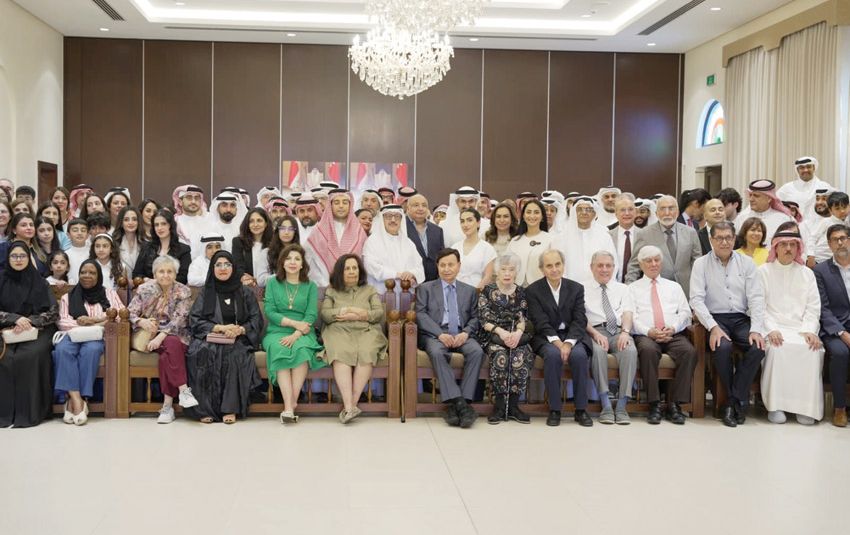
In a ceremony held recently in the Kingdom of Bahrain, the Fakhro family pledge formally reaffirmed loyalty to His Majesty King Hamad bin Isa Al Khalifa, according to coverage by correspondent Mohammed Wajdi Al-Dosari and photography by Hussein Abdullah. The event was attended by a number of family members who signed a written document expressing ongoing commitment to the nation and its leadership. The Fakhro family pledge was framed by participants as both a personal and generational affirmation of national allegiance.
Who attended and what the pledge involved
Members of the extended Fakhro family gathered to witness and participate in the signing, officials said. The document, described by family representatives as a formal “pledge of allegiance,” reiterated attachment to core national values and support for the country’s institutions. Furthermore, attendees emphasized that the gesture reflects long-standing family traditions and is meant to reaffirm unity with the leadership.
According to the report, the signing drew family elders and younger members alike, highlighting the intergenerational nature of the commitment. Meanwhile, the family framed the action as a private yet public-minded demonstration intended to contribute to wider national cohesion and Bahrain stability.
Historical and civic context of pledge of allegiance ceremonies
Pledge-taking and written affirmations of loyalty have a political and symbolic history in many monarchies and nation-states, where prominent families and civic groups sometimes issue public statements of support for leadership. In Bahrain, such expressions are often described by participants as an articulation of national unity and appreciation for the country’s developmental path under King Hamad. Observers note that these acts can serve as a cultural reaffirmation rather than a formal political instrument.
Therefore, analysts who study civic rituals suggest that family-led pledges tend to function as social signals that reinforce cohesion and confidence in governance. Additionally, these events can provide a venue for community leaders to reiterate shared priorities related to stability, prosperity, and public service.
Political and social implications for national unity and Bahrain stability
The Fakhro family pledge carries both symbolic and practical implications for national unity. The family’s statement emphasized the importance of continuity in leadership and of preserving national constants that, they said, have underpinned the kingdom’s progress. Furthermore, by publicly aligning with the monarchy, the family contributed to a broader narrative of consensus and social solidarity promoted by civic actors across the country.
Observers caution that while symbolic actions do not substitute for policy or institutional reforms, they can help to sustain a climate conducive to constructive dialogue and development. In this sense, family pledges complement formal mechanisms by signaling community-level endorsement of national aims.
Main keyword: Fakhro family pledge and media coverage
National and local media coverage of the Fakhro family pledge focused on the ceremony’s tone and the participants’ statements. Reports noted that the family described the act as a reaffirmation of the values passed down through generations and as an expression of gratitude for the nation’s achievements under King Hamad. According to coverage, the family emphasized that loyalty and solidarity remain essential components of Bahrain’s social fabric.
Additionally, photographers and journalists present documented the proceedings and relayed participants’ remarks, which stressed unity, trust, and support for the leadership. This coverage helped place the event in context for a wider public while preserving the family’s intent to frame the pledge as a positive, civic-minded gesture.
What motivated the family and how it was presented
Family organizers said the decision to sign a written pledge stemmed from a desire to formalize feelings of attachment to national leadership and to set an example for younger generations. The statement accompanying the event portrayed the action as consistent with longstanding customs of civic participation and respect for the nation’s institutions. In addition, the family noted the importance of upholding national constants that have supported social cohesion and economic progress.
Therefore, the presentation of the event emphasized continuity rather than change, casting the pledge as an affirmation of existing relationships between citizens and the crown. The family framed its message around themes of trust, loyalty, and shared responsibility for Bahrain’s future.
Reactions and next steps to watch
Reactions in public commentary varied but generally acknowledged the pledge as a noncontroversial demonstration of allegiance by a prominent family. Some commentators highlighted the role of such gestures in bolstering public morale, while others noted the symbolic nature of the act relative to formal policy decisions. Official responses, when issued, typically reinforce the nation’s commitment to unity and stability.
Looking ahead, observers suggest monitoring whether similar pledges by other civic groups or families will be issued and how authorities might reference these actions in public communications. Furthermore, readers should watch for any official publications or ceremonies that place such pledges within broader policy or national events.
Conclusion and what readers should watch next
The Fakhro family pledge represents a measured and public reaffirmation of loyalty to King Hamad and to the national values cited by participants. While largely symbolic, the event contributes to narratives of unity and Bahrain stability promoted by civic actors. In the near term, readers should watch for official statements or follow-up events that may situate this pledge within larger national commemorations or government communications.
Ultimately, the significance of the pledge will be shaped by how frequently similar acts occur and whether they influence public discourse or policy priorities. For now, the family’s action stands as a clear, deliberate expression of generational commitment to the country and its leadership.