





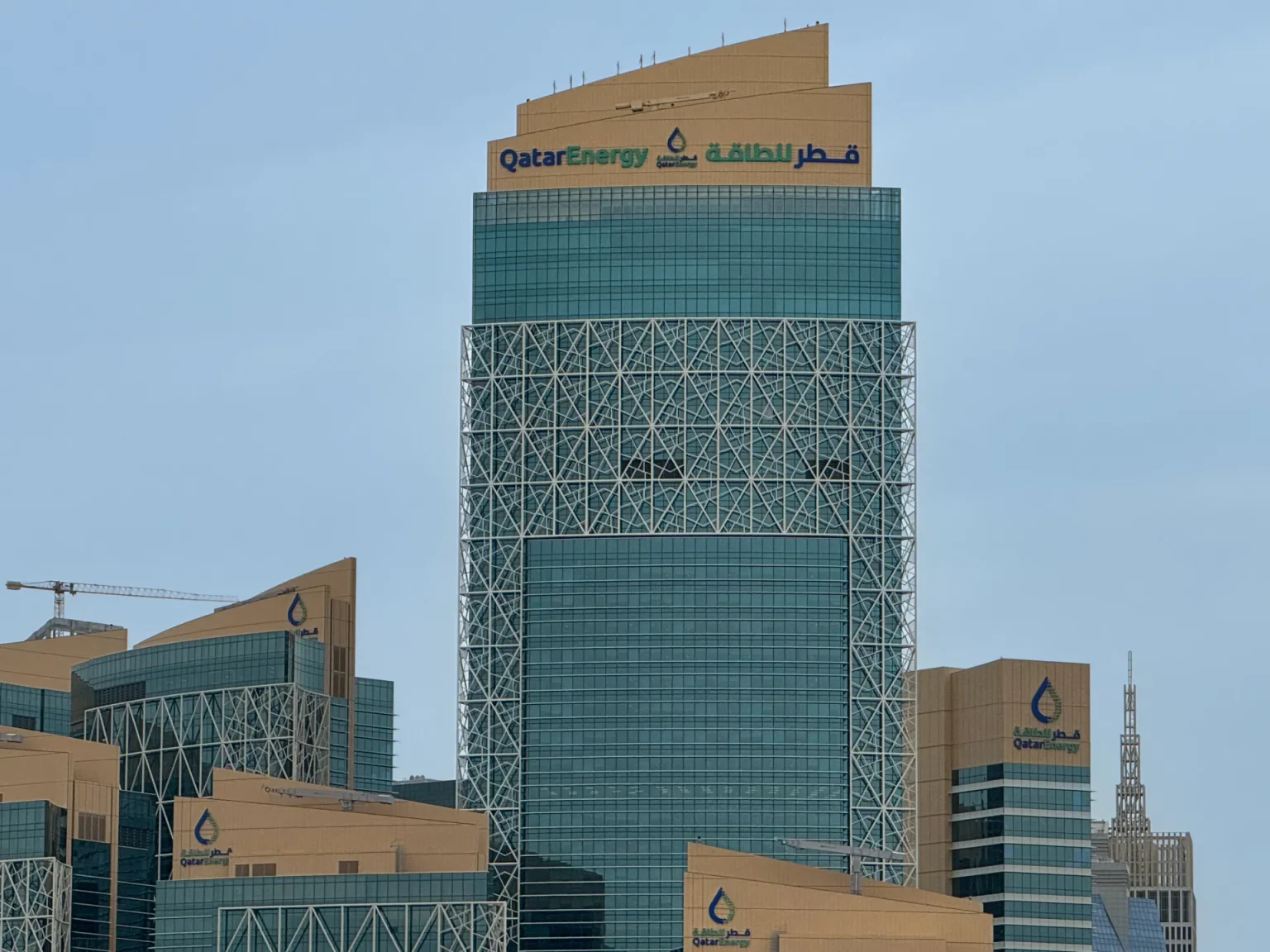

QatarEnergy Namibia discovery was announced on Tuesday by QatarEnergy after a new offshore well off Namibia yielded light oil and limited associated gas, the company said. The discovery, described as the best geological result to date in the company’s Namibia program, comes amid growing interest in the Orange Basin and follows three earlier finds by the company in the same area.
Officials said the announcement was made by Saad Sherida Al-Kaabi, Minister of State for Energy and CEO of QatarEnergy, who credited ongoing cooperation with the Namibian government and project partners. The discovery lies in an area of multiple offshore exploration blocks where QatarEnergy holds stakes alongside majors including Shell and the Namibian national oil company, NAMCOR.
QatarEnergy Namibia discovery
QatarEnergy characterized the new well as delivering “the best geological results” encountered in its Namibia operations to date, with reservoirs of good quality containing light oil and small volumes of gas associated with the oil, according to company statements. The company said the find reinforces confidence in the Orange Basin as an emerging hydrocarbon province and complements three prior discoveries it has reported in Namibian waters.
Saad Sherida Al-Kaabi noted that the discovery aligns with QatarEnergy’s strategy to expand its international exploration and production portfolio through projects with material potential. Meanwhile, the company thanked Namibian authorities for their continued support and congratulated project partners on the outcome, indicating coordinated follow-up work is planned.
Well results and technical context in the Orange Basin
The well encountered multiple hydrocarbon-bearing intervals, with preliminary data pointing to light crude in high-quality reservoir rocks and limited associated gas, company officials said. The technical assessment that produced these conclusions was based on drilling logs and initial sampling; full laboratory analyses and further subsurface evaluation are expected to refine reservoir estimates.
Orange Basin geology has drawn increasing attention from international oil companies after a series of significant finds in recent years. Consequently, the basin offshore Namibia has become a focal point for exploration as firms seek new sources of liquid hydrocarbons in deepwater settings. Offshore Namibia’s combination of proven traps and underexplored acreage is central to the region’s appeal.
Ownership, partners and operational footprint offshore Namibia
QatarEnergy holds interests across four offshore exploration concessions in Namibia that together cover roughly 34,000 square kilometers in the Orange Basin. The company operates in partnership with Shell and Namibia’s NAMCOR, among other stakeholders, according to the public announcement. Therefore, the new well’s results will inform shared appraisal planning and commercial evaluations among partners.
Additionally, project partners are likely to integrate the new data into broader basin-scale models to reassess prospectivity and drilling priorities. In contrast to appraisal wells that test a single accumulation, basin analyses aim to identify further high-potential targets and better define resource-range estimates for the partnership.
Implications for exploration and production strategy
The discovery is expected to influence QatarEnergy’s international exploration and production approach, reinforcing investment in promising frontier basins. Furthermore, it may prompt accelerated appraisal activity in the Orange Basin as companies move to establish commercial confidence and determine potential development pathways.
However, the transition from discovery to production typically requires multiple stages: extended well testing, appraisal drilling to define reservoir extent and deliverability, and detailed commercial assessments. Therefore, while the find is strategically significant, project timelines remain contingent on technical results, partner decisions and regulatory approvals in Namibia.
Regional economic and industry impacts
For Namibia, the discovery could bolster the country’s prospects for becoming a significant offshore oil producer if further appraisal confirms commercial volumes. The Namibian government has been actively facilitating exploration activity, and officials welcomed the new result as validation of the nation’s offshore potential.
Internationally, continued success in the Orange Basin may attract additional investment from major and independent oil companies, supporting offshore services and supply chains. Meanwhile, investors and regional policymakers will likely track subsequent appraisal outcomes as indicators of the basin’s commercial viability.
Next steps and what to watch
QatarEnergy and its partners indicated that follow-up work will include detailed analysis of the drilling data, laboratory testing of recovered samples and planning for appraisal wells to assess reservoir size and production prospects. Therefore, the next items to watch are planned appraisal drilling schedules, results of well testing, and any declarations on commerciality from the consortium.
Market observers should also monitor Namibia’s regulatory decisions and potential fiscal terms related to development. In the near term, companies typically take several months to a year to process initial discovery data and to announce firm appraisal plans, depending on operational and logistical considerations.
In conclusion, the QatarEnergy Namibia discovery represents a noteworthy step for the company’s offshore portfolio and for the Orange Basin’s evolving profile. Readers should expect further technical updates and appraisal plans in coming months as partners evaluate the find and determine whether it can be advanced toward commercial development.