





DIEZ trade 2025 posts record performance with AED 491 billion in non-oil commerce
The Dubai Integrated Economic Zones Authority (DIEZ) recorded its strongest performance in history in 2025, with total non-oil trade reaching AED 491 billion, according to the authority’s annual report. DIEZ trade 2025 grew by 46 percent year-on-year and represented roughly 16 percent of Dubai’s non-oil trade, officials said, underscoring sustained momentum across the emirate’s free zone ecosystem.
The report covers activities across key zones including the Dubai Airport Free Zone, Dubai Silicon Oasis and Dubai CommerCity. It shows a broad-based expansion in goods movement and commercial flows during 2025, with trade value up 400 percent compared with 2020 and physical volumes rising significantly despite global inflationary pressures.
DIEZ trade 2025: record figures and core metrics
DIEZ achieved AED 491 billion in total non-oil trade in 2025, a 46 percent increase from 2024, while overall Dubai external trade exceeded AED 3 trillion, the report indicates. The authority said the rise reflected real expansion in activity rather than price-only effects: total trade volume climbed 50 percent to 667,800 tonnes in 2025, demonstrating higher shipment flows and greater throughput through DIEZ facilities.
Officials highlighted that the fourfold increase in trade value since 2020 reflects long-term structural gains in Dubai’s logistics and re-exports model. Furthermore, DIEZ’s contribution to Dubai’s non-oil trade rose to around 16 percent, positioning the authority as a major node within the emirate’s broader trade architecture.
Sector composition and top trading partners
The sector mix within DIEZ remained highly concentrated. Electrical machinery, equipment and electronics accounted for more than 70 percent of DIEZ trade, expanding by 42 percent year-on-year. Meanwhile, gems, precious metals and pearls surged by 71 percent and contributed roughly 26 percent of total trade, with those two groups together representing about 96 percent of DIEZ trade activity.
China remained DIEZ’s largest partner, accounting for 28.7 percent of total trade, followed by Saudi Arabia at 9.6 percent and India at 8 percent. The report signals a notable shift in partner composition, including a marked increase in trade with Saudi markets, which officials said opens new regional integration opportunities and supports the emirate’s role as a re-exports and distribution hub.
Strategic implications for Dubai’s economy and the D33 agenda
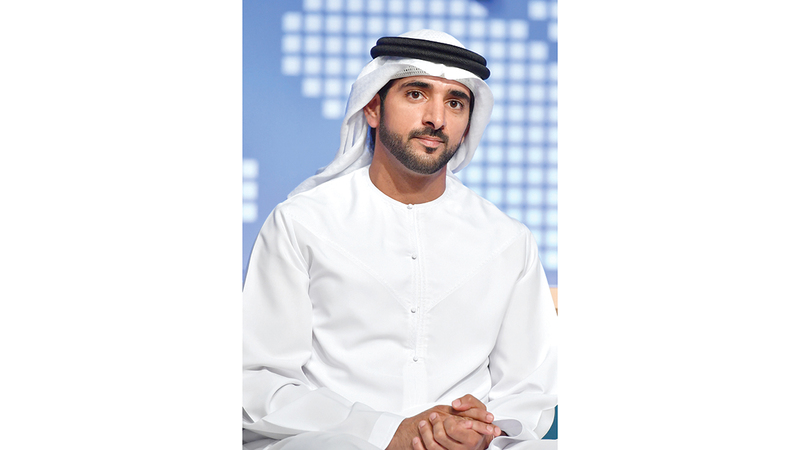
Leaders portrayed the results as validation of Dubai’s economic model and its policy priorities under the D33 agenda. Sheikh Hamdan bin Mohammed bin Rashid Al Maktoum, Dubai’s Crown Prince and head of the executive council, praised the performance as evidence that Dubai can convert global change into new growth avenues. He credited DIEZ and its leadership for strengthening the emirate’s position as an international trade gateway.
Sheikh Ahmed bin Saeed Al Maktoum, chair of DIEZ, and DIEZ Chief Executive Dr. Mohammed Al Zarouni framed the outcome as a demonstration of the authority’s focus on value-added logistics, sector diversification and supply-chain resilience. The officials said the growth was driven by strategic diversification of partner markets, enhanced re-exports activity, and the expansion of higher-value technology-linked sectors—factors that underpin Dubai trade growth and long-term competitiveness.
Why the increase matters
The gains at DIEZ matter for three reasons: they broaden Dubai’s trade base beyond hydrocarbons, they increase the volume of goods transiting regional and global supply chains, and they improve resilience against external shocks. Additionally, the surge in high-value electronic goods and precious stones highlights a move toward trade that supports higher margins, talent-intensive services and upstream logistics capabilities.
Operational drivers: logistics, regulations and partner diversification
Operationally, DIEZ officials attributed the performance to improvements in multimodal logistics capacity, clearer regulatory frameworks and policies that facilitate faster customs and clearance processes. These measures, together with targeted business attraction for tech-enabled firms, helped boost throughput and encourage multinational firms to route more trade through Dubai’s free zones.
Secondary drivers included strengthened trade ties with the Gulf Cooperation Council and Asia, and initiatives to deepen regional supply-chain links. The authority’s emphasis on re-exports and integrated logistics solutions reinforced its role as a distribution and value-add hub, which in turn supported the reported rise in physical trade volumes.
Risks and caveats noted by officials
While the report presents robust figures, officials and analysts caution that global macroeconomic volatility and geopolitical tensions remain risk factors. DIEZ representatives noted that continued diversification of trading partners and ongoing investment in logistics and digital infrastructure will be essential to sustain momentum and mitigate exposure to external shocks.
Outlook: what to watch next
Looking ahead, observers should watch for further developments in DIEZ’s market diversification strategy, planned infrastructure upgrades, and any new free-zone initiatives aimed at attracting higher-value manufacturing and tech firms. The authority’s performance will also be a key metric in tracking progress toward Dubai’s D33 economic targets over the coming years.
Readers should expect annual updates and periodic announcements from DIEZ on partnerships and capacity projects that could influence trade flows for 2026 and beyond. Market participants will likely monitor Saudi-Dubai trade corridors and continued growth in electronics and precious-goods exports as early indicators of sustained momentum.
In conclusion, DIEZ trade 2025 delivered a landmark result that reflects durable shifts in Dubai’s trade landscape. According to official statements, the combination of stronger logistics capacity, targeted sector policies and a diversified partner base positions DIEZ to support continued Dubai trade growth, while authorities continue to refine measures that secure long-term resilience and competitiveness.