


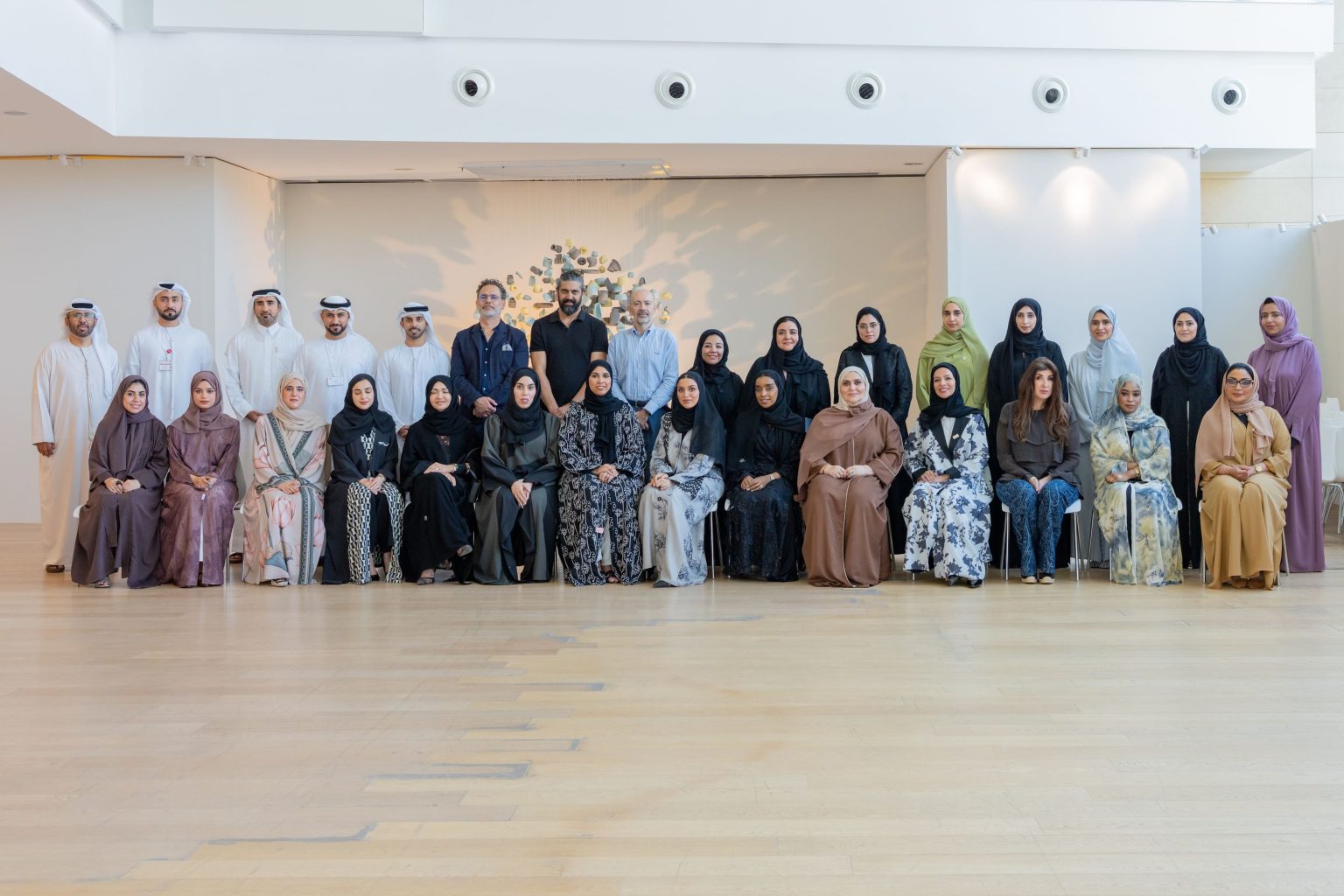

Integrating arts and design in schools: Dubai hosts collaborative innovation lab
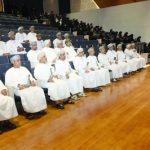
Dubai Culture and Arts Authority, in collaboration with the Knowledge and Human Development Authority (KHDA), convened a focused session on integrating arts and design in schools at the Al Jalila Cultural Centre for Children. The event gathered education leaders and cultural specialists to examine current practice, challenges and opportunities for private school curricula across Dubai. Officials said the meeting is part of broader efforts to position Dubai as a global creative economy hub.
The session, titled “Innovation Lab: Integrating Arts and Design into the Education System,” featured presentations, roundtable discussions and case studies on curriculum models. Participants reviewed how literary writing, music, theatre, visual arts, design, culinary arts and project-based learning can be embedded into school programs. The agenda aimed to move from theory to practical steps that identify talent and nurture creative skills from early grades.
Why integrating arts and design in schools matters for Dubai’s creative economy
Officials and educators emphasized that arts education contributes to innovation, critical thinking and expressive skills that support a knowledge-based economy. Furthermore, participants linked arts and design instruction to workforce readiness in creative industries, citing the need to develop a pipeline of skilled graduates. The session framed arts integration as a strategic investment in the city’s cultural capital and long-term economic diversification.
According to organizers, embedding arts in curricula helps identify and groom talented students while broadening career pathways beyond traditional academic streams. In addition, speakers noted international examples and best practices that illustrate measurable gains in student engagement and problem-solving when schools adopt interdisciplinary and design-focused programs.
Practical strategies discussed at the Innovation Lab
During the meeting, educators outlined several mechanisms for integrating arts and design in schools, including modular electives, cross-disciplinary projects, after-school labs and partnerships with cultural institutions. Project-based learning and reading beyond the syllabus were highlighted as effective approaches to make arts education both accessible and relevant to diverse student populations.
Participants advocated for curriculum maps that allow schools to sequence arts learning from foundational stages to advanced specialization. They also discussed using assessment frameworks that value creativity and process-oriented outcomes rather than relying solely on traditional examinations. Meanwhile, collaboration with local museums, cultural centres and industry professionals was presented as a way to enrich classroom learning and provide real-world exposure.
Programs, best practices and models for scalable implementation
Delegates reviewed creative programmes currently in place within some private schools and compared them with international models that can be adapted for Dubai. Best practices referenced by the session included integrated arts modules, teacher professional development, and community-engaged projects that link students with cultural practitioners.
Case studies underscored the role of teacher training and resource allocation to sustain arts programming. Observers noted that pilot initiatives and phased rollouts help schools test models before wider adoption. The session suggested that adaptable templates and shared toolkits could accelerate the spread of effective practices across the private school sector.
Recommendations and policy considerations
The Innovation Lab concluded with a set of recommendations aimed at policy makers, school leaders and cultural partners. Key proposals included commissioning a comprehensive study to define suitable policies and programmes for schools, mapping partnership opportunities and prioritizing initiatives for short- and long-term implementation. The session stressed the need to build a shared vision for the future of arts and education in Dubai.
Officials called for mechanisms to monitor progress and measure outcomes against clear objectives. They also urged the establishment of steering groups to coordinate efforts among regulatory bodies, schools, cultural institutions and the private sector. Participants emphasized that aligned policies and strategic partnerships are necessary to ensure equitable access to arts learning for students across different schools.
Roles for stakeholders and expected next steps
Dubai Culture, KHDA and the Al Jalila Cultural Centre for Children were identified as key conveners in the next phase of work. The session recommended that these entities lead a coordinated effort to develop pilot programmes, professional development modules for teachers and a timeline for broader adoption. Authorities suggested mapping existing resources and identifying gaps where targeted investment is needed.
Meanwhile, school leaders were encouraged to adapt curricular pilots that combine artistic disciplines with STEM and humanities subjects, thereby promoting interdisciplinary thinking. Cultural organisations and private partners were invited to contribute expertise, venues and mentorship as part of collaborative learning schemes.
Monitoring and evaluation
Recommendations included establishing benchmarks for student participation, skill acquisition and progression into advanced creative programmes. Furthermore, the session proposed using qualitative and quantitative measures to capture the impact of arts integration on student outcomes, creativity and critical thinking. These monitoring efforts will inform policy adjustments and scale-up decisions.
Looking ahead: implementation timeline and what to watch
Organisers indicated that the next formal step is to commission the recommended study to identify policy options and priority initiatives. Stakeholders will watch for announcements about pilot programmes and partnership agreements over the coming months. Furthermore, education and cultural authorities are expected to outline a phased roadmap that sets short-, medium- and long-term milestones.
As Dubai moves to strengthen its position in the creative economy, the outcomes of this Innovation Lab will be closely monitored by schools, parents and sector partners. Observers should look for pilot results, guidance materials for teachers and formal policy recommendations that emerge from the study commissioned by the participating authorities.
In conclusion, the session marked a coordinated effort to reframe arts and design as central elements of school education. The planned study, coupled with pilot initiatives and cross-sector partnerships, will determine how quickly and effectively integrating arts and design in schools becomes standard practice across Dubai’s private education sector.