







Remote Job Scam Exposed in Dubai
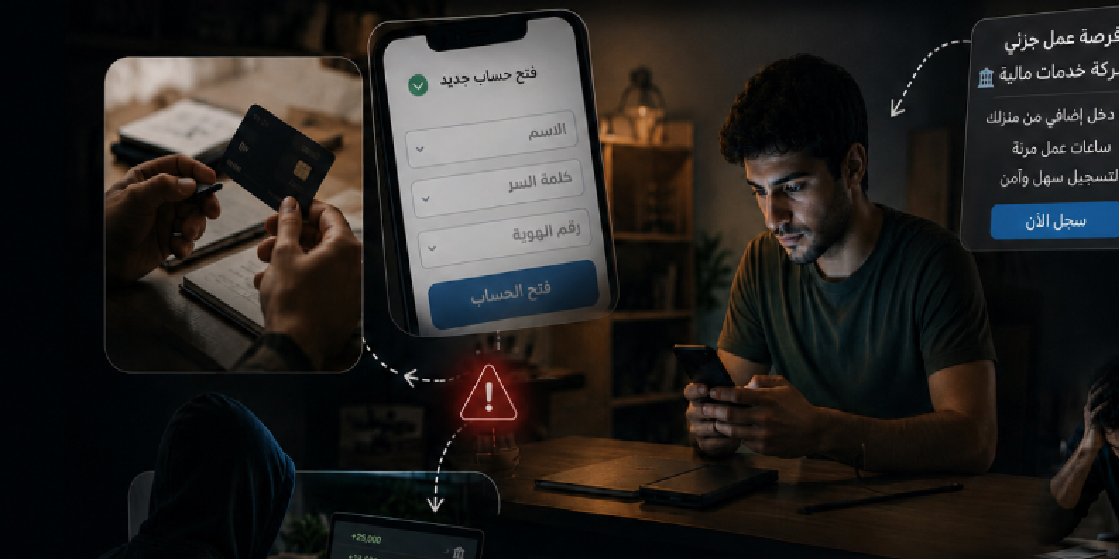
A young man in Dubai fell victim to a remote job scam after responding to an online advertisement promising a part-time, flexible role and quick income. According to Dubai Police, the individual opened or used his bank account to receive and forward funds on behalf of an alleged financial services firm, only to be summoned later when investigators uncovered irregular transfers tied to fraud.
Dubai Police said the case began when the man replied to a social media advertisement offering part-time remote work. He received a preliminary acceptance message and instructions to manage transfers through his personal bank account, under the impression he was supporting an overseas financial services provider.
How the Scheme Operated
Authorities described a consistent pattern: fraudsters post enticing job offers on messaging apps and social platforms to lure applicants. The suspects posed as employees of a legitimate-looking financial services company and requested that the recruit either open a new account in his name or use an existing one for company transactions.
Once the account was in use, different sums were credited and the victim received immediate instructions to move the funds to other accounts as part of purported client settlements. The man complied, reassured by promises of ongoing work and eventual permanent employment, unaware that his account was being used to launder proceeds of criminal activity.
Signs That This Remote Job Scam Used Social Media Fraud Tactics
Dubai Police warned that social media fraud is a growing channel for this type of criminality. Officials noted that these scams often include unrealistic salary promises, flexible hours, and a request for the applicant to handle transactions without formal contracts or background documentation.
Additionally, fraudsters may ask victims to pay “activation” or registration fees, share personal identification or banking credentials, or perform rapid transfers under pressure. In some cases, the recruits are presented with forged company credentials or websites to create a veneer of legitimacy.
Bank Account Laundering Risks
Investigators pointed out that using a third party’s bank account is a common method for concealing the trail of illicit funds. The practice, often called bank account laundering, exposes the account holder to legal scrutiny even if they lack criminal intent. The Dubai Police cautioned that victims may face investigations and potential liability unless they can demonstrate coercion or lack of knowledge.
What Dubai Police Advise Job Seekers
Officials urged the public to verify the authenticity of any organization offering part-time or remote positions and to avoid sharing personal or banking information with unknown parties. Dubai Police emphasized that legitimate employers do not require candidates to deposit or transfer money, nor do they demand upfront fees for hiring.
Prospective applicants should confirm company registration, request written contracts, and verify contact details independently. Furthermore, victims or suspicious applicants are encouraged to report attempts through the official Dubai Police eCrime platform or contact the non-emergency line at 901 for follow-up guidance.
Investigative and Legal Implications
The police investigation in this case identified the suspicious inflows and outflows linked to the young man’s account, prompting an inquiry into the wider network behind the scheme. Authorities said they continue to track evolving methods used by fraud groups that exploit messaging apps and social networks.
Legal experts note that even unintentional involvement in moving proceeds from fraud can trigger criminal inquiries. Therefore, immediate reporting and full cooperation with investigators can be critical to establishing the absence of intent and protecting victims from further exposure.
Community Awareness and Prevention Efforts
Dubai’s crime prevention units have stressed public awareness campaigns as a key defense against these schemes. They plan to increase monitoring of suspicious job postings, share alerts about trending techniques, and provide educational materials for job seekers and vulnerable groups.
Meanwhile, employers and platform operators are being urged to tighten account verification processes and remove fraudulent listings more swiftly. Observers suggest that combined actions by law enforcement, social platforms, and banks can reduce the success rate of such remote job scams.
What to Watch Next
Officials said follow-up investigations will aim to dismantle the networks that recruit account holders for money movement and to identify the ultimate beneficiaries of the illicit funds. In the short term, the public should expect more advisories and targeted sting operations as authorities adapt to new patterns in social media fraud.
For individuals, the next steps are practical: verify job offers, refuse requests to use personal bank accounts for business transactions, and report suspicious activity immediately. Dubai Police indicated that reporting through official channels helps build evidence and prevents others from being targeted.
As the case proceeds, authorities will likely update the public on arrests or further preventive measures. Observers recommend that job seekers monitor official announcements and rely only on verified, well-known employers when considering remote or part-time work.