






By using this site, you agree to the Privacy Policy and Terms of Use.
Accept
Gulf PressGulf Press
  • Gulf News
    • Saudi Arabia
    • UAE
    • Oman
    • Kuwait
    • Qatar
    • Bahrain
  • Business
  • Technology
  • Real Estate
  • Sport
  • Travel
  • Lifestyle
  • Rankings
  • Explained
  • Opinion
Search
Countries
More Topics
Site Links
  • Newsletter
  • Terms
  • About Us
  • Advertise with us
  • Contact Us
© 2023 Gulf Press. All Rights Reserved.
Reading: Study: Superbug crisis could escalate, resulting in nearly 40 million deaths by 2050.
Share
Notification Show More
Latest News
Abdullah bin Hamad Al-Attiyah 50 Years of Energy Leadership
Qatar
Two Emergency Spinal Surgeries Succeed at Rustaq Hospital
Oman
Electricity Services Committee Approves Energy Storage Sites in Al-Mutlaa and Jabir Al-Ahmad
Kuwait
Foreign Minister Strengthens Friendship and Cooperation Ties with the Philippines
Bahrain
Post-Eid Return Shock: 8 Health Issues Dragging Employee Productivity
UAE
Aa
Gulf PressGulf Press
Aa
  • Gulf News
  • Business
  • Technology
  • Real Estate
  • Sport
  • Travel
  • Lifestyle
  • Rankings
  • Explained
  • Opinion
Search
  • Gulf News
    • Saudi Arabia
    • UAE
    • Oman
    • Kuwait
    • Qatar
    • Bahrain
  • Business
  • Technology
  • Real Estate
  • Sport
  • Travel
  • Lifestyle
  • Rankings
  • Explained
  • Opinion
Have an existing account? Sign In
Follow US
  • Terms
  • About Us
  • Advertise with us
  • Contact Us
© 2023 Gulf Press. All Rights Reserved.

Home » Study: Superbug crisis could escalate, resulting in nearly 40 million deaths by 2050.

Lifestyle

Study: Superbug crisis could escalate, resulting in nearly 40 million deaths by 2050.

News Room
Last updated: 2024/09/17 at 11:22 AM
News Room
Share
3 Min Read
SHARE

The number of lives lost worldwide due to infections that are resistant to medications is projected to increase by nearly 70% by 2050, as per a new study published in The Lancet. Antimicrobial resistance (AMR) occurs when pathogens like bacteria and fungi develop the ability to evade the medications used to kill them. The misuse and overuse of antimicrobial medications in humans, animals, and plants are key drivers of AMR, making it a top global public health and development threat. The study estimates that by 2050, over 39 million deaths could be directly attributed to AMR globally.

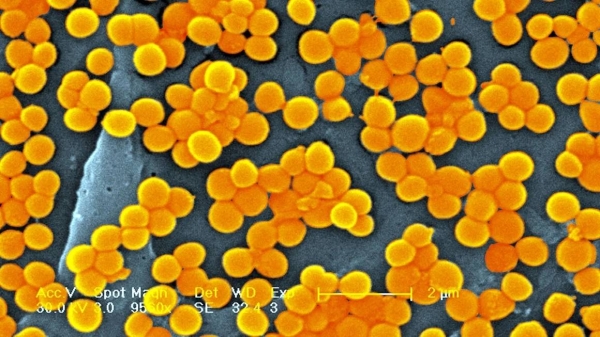
The study, led by Dr. Chris Murray of the University of Washington, examined deaths and illnesses related to AMR across 204 countries from 1990 to 2021. The researchers found a decline in AMR deaths among children under 5 but an increase among adults aged 70 and older – trends that are expected to continue. The pathogen-drug combination causing the most burden among all age groups was methicillin-resistant Staphylococcus aureus (MRSA), with a significant increase in the number of attributable deaths.

The researchers projected estimates for 2050 in three scenarios: if current practices continue, if new antibiotic drugs are developed, and if access to quality healthcare and antibiotics improves. Without intervention, deaths from AMR are forecasted to increase significantly by 2050. The regions most affected by AMR are South Asia, Latin America, and sub-Saharan Africa, where access to quality healthcare is limited, exacerbating the problem.

In a scenario where the world has better healthcare, the researchers forecast that 92 million deaths could be averted between 2025 and 2050. Further, if new, potent drugs are developed, around 11 million cumulative deaths could be avoided. The study, which provides a comprehensive assessment of AMR, highlights the need for investments and targeted actions to address the growing challenge of antimicrobial resistance worldwide.

Dr. Steffanie Strathdee, who was not involved in the study, emphasized the personal toll of AMR, citing her husband’s near-death experience from a superbug infection. Through phage therapy, her husband was able to recover from an antibiotic-resistant bacterial infection. Strathdee urges for a shift towards alternatives to antibiotics, like phage therapy, and emphasizes the importance of reducing antibiotic use in livestock, food production, and the environment to combat AMR.

The study offers hope for reducing the burden of antimicrobial resistance by improving access to antibiotics, newer antimicrobial medications, vaccines, clean water, and quality healthcare globally. By scaling up interventions and addressing the root causes of AMR, such as overuse of antibiotics, it is possible to significantly decrease the number of deaths attributed to antimicrobial resistance in the future. This highlights the importance of collaborative efforts to tackle this pressing global health issue.


Sign Up For Daily Newsletter

Be keep up! Get the latest breaking news delivered straight to your inbox.
I have read and agree to the terms & conditions
By signing up, you agree to our Terms of Use and acknowledge the data practices in our Privacy Policy. You may unsubscribe at any time.
Share this Article
Facebook Twitter Copy Link Print
Previous Article Crude Oil remains below $70 as traders turn attention to US supply disruptions and Fed meeting
Next Article Saving Big on University Tuition: UAE Students Securing High Grades and Sibling Discounts
Leave a comment Leave a comment

Leave a Reply Cancel reply

Your email address will not be published. Required fields are marked *

Stay Connected

235.3k Followers Like
69.1k Followers Follow
56.4k Followers Follow
136k Subscribers Subscribe
- Advertisement -
Ad imageAd image

Latest News

Abdullah bin Hamad Al-Attiyah 50 Years of Energy Leadership
Qatar June 2, 2026
Two Emergency Spinal Surgeries Succeed at Rustaq Hospital
Oman June 2, 2026
Electricity Services Committee Approves Energy Storage Sites in Al-Mutlaa and Jabir Al-Ahmad
Kuwait June 2, 2026
Foreign Minister Strengthens Friendship and Cooperation Ties with the Philippines
Bahrain June 2, 2026

You Might also Like

10 Signs of a Healthy Relationship You Should Know
Lifestyle

10 Signs of a Healthy Relationship You Should Know

June 2, 2026
Top Wellness Trends in 2026 That Actually Improve Your Health
Lifestyle

Top Wellness Trends in 2026 That Actually Improve Your Health

June 1, 2026
Signs You Need a Digital Detox and How to Do It Correctly
Lifestyle

Signs You Need a Digital Detox and How to Do It Correctly

June 1, 2026
Healthy Lifestyle Changes That Improve Your Life Instantly
Lifestyle

Healthy Lifestyle Changes That Improve Your Life Instantly

May 31, 2026
What Is Structural Acrylic, and Why the Right Grade Decides the Life of a Luxury Pool
Lifestyle

What Is Structural Acrylic, and Why the Right Grade Decides the Life of a Luxury Pool

May 15, 2026
Irish Entrepreneur Rory Skerritt Takes the UAE by Storm with Psychology-Driven Coaching Model
Lifestyle

Irish Entrepreneur Rory Skerritt Takes the UAE by Storm with Psychology-Driven Coaching Model

March 2, 2026
Lifestyle

BDY | CTRL Announces Pre-Launch of a New Kind of Shapewear — One Designed Around How Women Feel

February 23, 2026
Lifestyle

Four Points by Sheraton Unveils an Immersive Ramadan Experience with Curated Iftar Offerings

February 23, 2026
//

GulfPress is a modern Gulf media platform delivering trusted news, business insights, technology updates, real estate trends, travel stories, explainers, and rankings from across the GCC and the Middle East.

Quick Link

  • About Us
  • Editorial Policy
  • Corrections Policy
  • Advertise with us
  • Contact Us
  • Privacy Policy
  • Terms of use

How Topics

  • Gulf News
  • Business
  • Lifestyle

Sign Up for Our Newsletter

Subscribe to our newsletter to get our latest news instantly!

I have read and agree to the terms & conditions
Gulf PressGulf Press
Follow US

© 2023 Gulf Press. All Rights Reserved.

Join Us!

Subscribe to our newsletter and never miss our latest news, podcasts etc..

I have read and agree to the terms & conditions
Zero spam, Unsubscribe at any time.

Removed from reading list

Undo
Welcome Back!

Sign in to your account

Lost your password?