






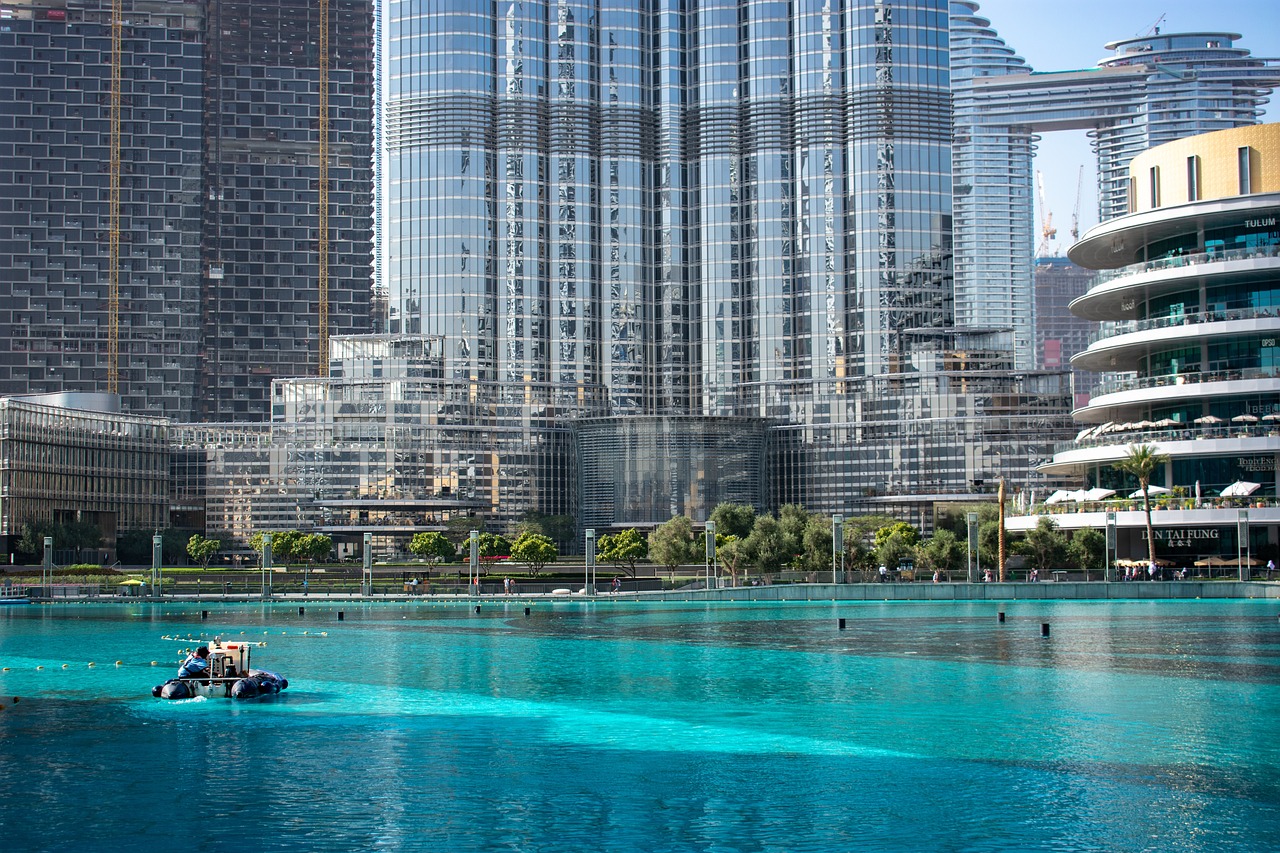

Buying property in Dubai without residency is a realistic option for many international buyers. In 2026 the market remains accessible: Dubai allows foreign ownership in designated freehold areas, and the transaction process is well documented through the Dubai Land Department. You can complete most steps as a non-resident, either in person or via an authorized representative.
If you want a quick roadmap, start by choosing a freehold neighbourhood, work with a RERA-registered agent, verify the developer and title, and prepare funds or finance options. Important legal and practical steps — reservation, Sales and Purchase Agreement (SPA), and DLD registration — are the same whether you live in the UAE or not. Always check official Dubai Land Department guidance and get legal advice to confirm current rules before signing.
Quick Answer
Yes—How to Buy Property in Dubai Without Residency 2026: foreigners can buy in designated freehold areas without UAE residency. Complete the purchase through a RERA-registered agent and the Dubai Land Department, arrange funds (cash or a mortgage where available to non-residents), obtain necessary developer NOCs and register the title. Confirm up-to-date rules with official sources and consider a local lawyer or power of attorney if you won’t be present for every step.
Key Takeaways
- Foreigners can buy in Dubai’s freehold areas without holding UAE residency.
- Work with a RERA-registered agent, a reputable developer, and a property lawyer.
- Be ready for checks on proof of funds, bank requirements, developer NOCs, and DLD registration fees.
- Off-plan and ready properties follow different timelines—know the risks and escrow protections.
- Plan travel logistics and documentation in advance if you prefer viewing in person.
Understand ownership types and where non-residents can buy
Dubai divides property into freehold and leasehold. Freehold means outright ownership of the unit and the land in designated areas; leasehold grants long-term leases usually up to 99 years. For How to Buy Property in Dubai Without Residency 2026 you should focus on freehold communities, because those are explicitly open to foreign ownership.
What “freehold” means for international buyers
Freehold ownership gives you a registered title with the Dubai Land Department. That title is what you check during due diligence. Confirm the property is in a freehold development and that the developer has clear title and escrow protections for buyer funds, especially for off-plan purchases.
Which areas are commonly available to non-resident buyers?
Dubai has several well-known freehold districts that attract international buyers. Popular locations include Downtown Dubai, Dubai Marina, Palm Jumeirah, Business Bay, Dubai Hills Estate, and Jumeirah Village Circle. Each area has different rental appeal, transport access, and lifestyle offerings.
Step-by-step: How to Buy Property in Dubai Without Residency 2026
- Research neighbourhoods and developers. Identify areas that match your budget, rental yield goals, or lifestyle needs. Look at developer track records — recognised names such as Emaar, Nakheel, and Damac are commonly searched by buyers, but always vet recent projects.
- Engage a RERA-registered agent and a lawyer. A registered real estate agent will arrange viewings and draft offers. A local property lawyer can review the SPA and explain fees and obligations.
- View properties in person or virtually. If you travel to Dubai, book viewings and meetings with the developer and bank. If not, request detailed video tours and certified documents and consider appointing a power of attorney to act on your behalf.
- Reserve the property and sign the SPA. Reservation usually requires a deposit and a reservation form. The SPA outlines payment schedule, handover dates, and penalties. Read escalation, handover, and defect clauses carefully.
- Arrange funds or financing. Pay the deposit and arrange full payment either by bank transfer, escrow release for off-plan, or mortgage. Many UAE banks provide mortgages to non-residents but requirements vary; shop around and confirm terms in writing.
- Obtain necessary NOCs and clearances. The developer typically issues a No Objection Certificate (NOC) needed for title transfer. Confirm any outstanding service charges or liens are cleared before transfer.
- Register the title at Dubai Land Department. Final transfer and registration create your official title deed. You or your attorney will pay the registration fee and receive the title certificate.
- Set up management and utilities. Arrange a property manager if you won’t live there, register utilities (DEWA), and decide how you will handle tenants or short-term rentals if relevant.
Off-plan vs ready-to-move: simple comparison
| Feature | Off-plan | Ready-to-move |
|---|---|---|
| Payment schedule | Staggered installments via escrow | Full or mortgage at sale completion |
| Completion risk | Depend on developer and market cycle | Immediate possession possible |
| Price | Can offer early-bird discounts | Market-based, often higher for prime locations |
Financing options for non-residents
Non-resident mortgages are available from some UAE banks, but conditions differ. Expect stricter lending ratios and documentation requirements compared with resident buyers. As an alternative, many buyers use international banks, specialist lenders in their home country, or full cash purchases.
Before applying, gather certified income proof, bank statements, passport, and proof of funds for down payment. If you plan to rent out the property, check whether the bank allows buy-to-let arrangements for non-residents.
Fees, taxes, and ongoing costs to plan for
Dubai has no federal property tax like some countries, but buyers should budget for registration fees, developer transfer fees, and ongoing service charges. Service charges cover building maintenance, security, and common areas and are charged annually.
Also factor in property management fees, insurance, utility deposits (DEWA), and occasional major repairs. If you plan to rent the unit, be aware of tenancy regulations and registration requirements for leases.
Common mistakes to avoid when buying as a non-resident
- Skipping independent legal advice — developers’ contracts can be complex.
- Assuming all banks lend to non-residents — verify mortgage eligibility early.
- Ignoring service charge history — high arrears can hit owners later.
- Relying solely on marketing material — insist on official title documents and escrow proof.
- Underestimating time needed for viewings, paperwork, and DLD processes.
Best Tips for Planning Your Trip
Plan at least a few days in Dubai if you intend to view properties. Fly into Dubai International (DXB) or Al Maktoum International (DWC) and factor in local travel time. Book viewings ahead with agents, request documentation in advance, and set meetings with the developer and bank branch if needed.
Bring original passport, proof of funds, and contact details for any party acting under a power of attorney. Stay in the neighbourhood you’re targeting to get a feel for traffic, amenities, and public transport options like the metro and tram. Travel insurance and flexible booking help if timelines change.
Who is this best for? Is it worth it?
Buying property in Dubai without residency is best for investors seeking rental income or capital appreciation, buyers wanting a holiday home in a tax-friendly jurisdiction, and expatriates who expect to move to the UAE later. It’s also suitable for those who can manage a property remotely through a reputable property manager.
Whether it’s worth it depends on your goals. Dubai offers strong infrastructure, international rental demand, and clear legal processes in freehold areas. Balance those advantages against market cycles, financing costs, and the responsibilities of being an overseas landlord. If you need certainty, consult local advisors and verify current rules with the Dubai Land Department.
Conclusion
How to Buy Property in Dubai Without Residency 2026 is a practical path for many international buyers. Focus on freehold areas, use registered agents and legal advisors, confirm financing options, and perform thorough due diligence on title and developer history. With careful planning, you can complete the purchase remotely or in person; always verify up-to-date regulations with Dubai authorities before finalising any transaction.
Frequently Asked Questions
Can foreigners buy property in Dubai without residency?
Yes. Foreigners can purchase property in designated freehold areas without holding UAE residency. Always confirm the project is freehold and follow Dubai Land Department procedures for title registration.
Do properties in Dubai automatically grant residency visas?
No. Buying a property does not automatically grant residency. Certain investment thresholds may make you eligible for specific investor visas, but rules change—check immigration and official UAE guidance before assuming eligibility.
Can non-residents get a mortgage in the UAE?
Some UAE banks offer mortgages to non-residents, but terms and down payment requirements vary. Contact lenders early to confirm eligibility and prepare certified financial documents.
What are the main costs besides the purchase price?
Expect registration fees, developer transfer fees, and annual service charges, plus property management and utility setup costs. Check the Dubai Land Department and your SPA for the exact fee schedule.
Is an off-plan purchase riskier for a non-resident?
Off-plan carries more timing and delivery risk than ready properties, but escrow protections exist for Dubai projects. Research the developer’s track record and the escrow mechanics before committing funds.
Can I appoint someone to complete the purchase if I can’t travel?
Yes. You can grant a notarized power of attorney to act on your behalf for property transactions, but ensure the POA is accepted by the developer, the bank, and the Dubai Land Department. Legal advice is recommended.
How do I check that the seller has a clear title?
Your lawyer or agent will request title documents and a No Objection Certificate (NOC) from the developer and perform a title search with the Dubai Land Department. Always insist on official title verification before releasing large payments.