








Qatar diplomacy shapes regional outreach after Oman calls
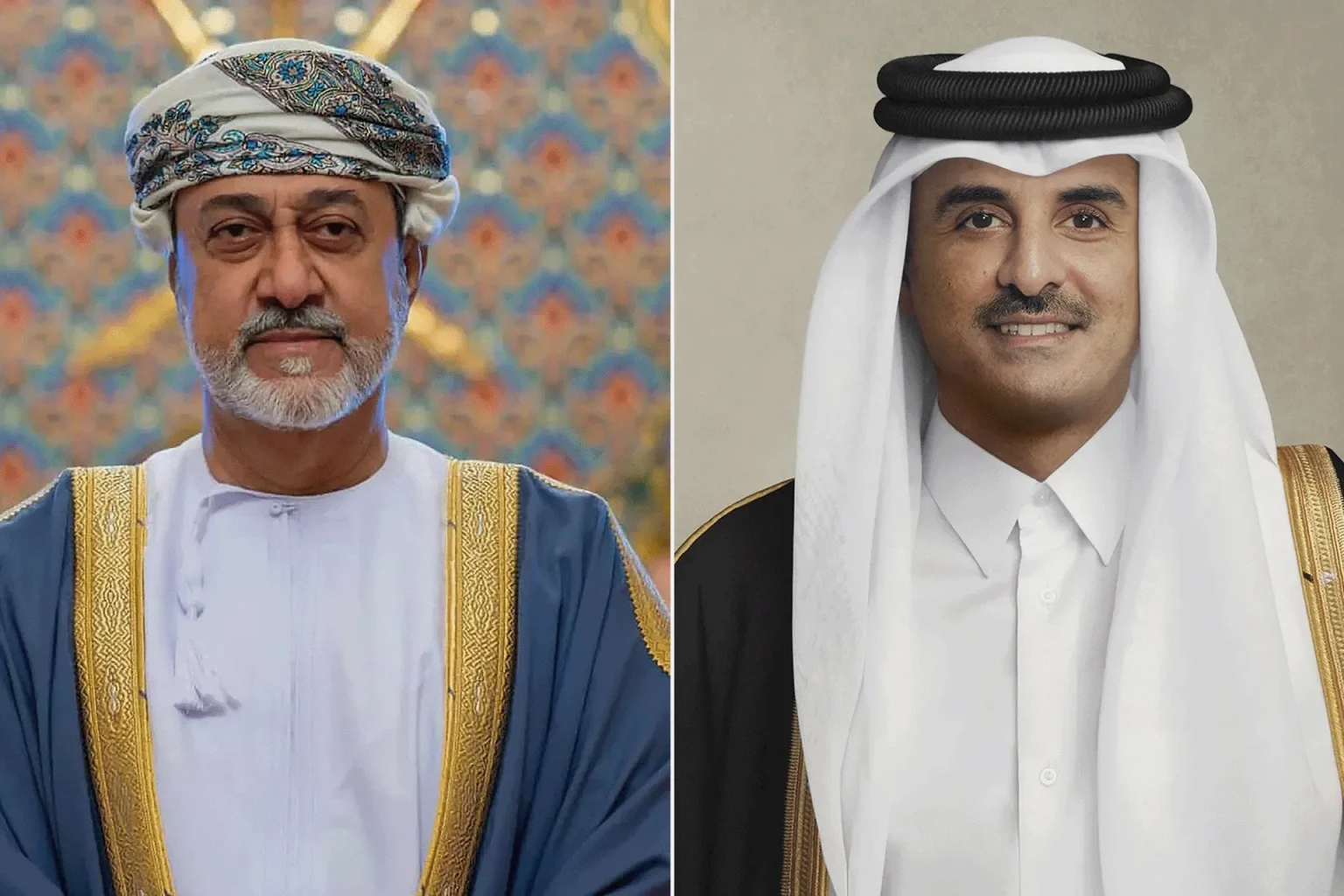
Qatar diplomacy took center stage on Monday when Qatar’s Amir Sheikh Tamim bin Hamad Al Thani received a phone call from Sultan Haitham bin Tariq of Oman to discuss recent regional developments and bilateral ties, the Amiri Diwan said. At the same time, Qatar’s prime minister and foreign minister, Sheikh Mohammed bin Abdulrahman Al Thani, spoke with Omani Foreign Minister Badr al-Busaidi about coordination on mediation efforts related to the US-Iran standoff, officials stated.
Calls between Qatar and Oman leaders
The Amiri Diwan reported that the leaders emphasized the urgency of reaching a negotiated solution to reduce tensions and preserve security and stability in the Gulf. Meanwhile, Oman’s ruler praised the role played by Qatar’s leadership in facilitating dialogue and creating conditions for peaceful outcomes, the statement added.
Officials said the exchanges reflected longstanding Oman-Qatar relations and a mutual interest in preventing spillover from broader regional disputes. Furthermore, the two governments agreed on the need for continued coordination to support any diplomatic initiatives that lower the risk of escalation.
Qatar diplomacy and coordination on Pakistan-led mediation
The Qatari foreign ministry said Sheikh Mohammed bin Abdulrahman discussed with Minister al-Busaidi the ongoing Pakistani mediation between Washington and Tehran, noting the importance of coordinated Gulf support. Qatar’s statement emphasized that aligning regional efforts with third-party mediation can help de-escalate tensions and open channels for sustained negotiations.
According to the ministry, both sides underlined the necessity for all parties to engage constructively with mediators to address root causes through dialogue. Therefore, Qatar diplomacy is being positioned as complementary to external mediation efforts, with Doha offering regional credibility and logistical support where appropriate.
Why the contacts matter for regional stability
These high-level phone calls come amid heightened international concern over a potential wider confrontation involving Iran and the United States. Observers note that Gulf states, including Qatar and Oman, have vested interests in preventing disruptions to trade, energy supplies, and security cooperation in the region.
Oman has a track record of quiet diplomacy and hosting back-channel talks, while Qatar has acted as a mediator in past crises. As a result, the current exchanges signal an intent to combine Gulf mediation capabilities with international initiatives like the Pakistan-led process to address the US-Iran talks.
Implications for US-Iran talks and Gulf mediation
Analysts say coordinated Gulf mediation could create more favorable conditions for progress in the US-Iran talks by reducing regional tensions and signaling a united regional front for de-escalation. Additionally, Qatar diplomacy may help bridge trust gaps by facilitating meetings, sharing intelligence assessments, and endorsing confidence-building steps.
However, officials caution that outcomes depend on substantive concessions from principal parties and sustained engagement by mediators. Therefore, while Gulf mediation and Pakistani efforts could lower the temperature, a lasting settlement will require detailed negotiations on core issues cited in the international statements.
Pakistan’s role and international responses
Pakistan’s mediation has been described in Gulf statements as a constructive channel, and Qatar and Oman discussed ways to support that process without prejudging its course. Meanwhile, Western and regional capitals have so far welcomed third-party mediation as one part of a broader diplomatic push to reduce hostilities.
Still, the report indicates uncertainty about timelines and concrete deliverables, and officials suggest that progress will be incremental. Furthermore, external factors — including domestic politics and allied positions — could shape how rapidly negotiations advance.
What to watch next
Observers should watch for follow-up contacts between Doha and Muscat, as well as any joint statements that could clarify operational support for mediators. In addition, meetings or visits involving Pakistani envoys, US interlocutors, or Iranian representatives would be an important next step to assess momentum.
Furthermore, tracking any calls or visits by other Gulf leaders could indicate whether a broader regional framework for de-escalation is being formed. Finally, statements from foreign ministries and the Amiri Diwan will be key to understanding concrete coordination plans and potential timelines.
Conclusion and next steps
Qatar diplomacy, as reflected in these telephone exchanges, aims to reinforce regional channels of communication and support external mediation of the US-Iran standoff. Officials said the emphasis remains on urgent, peaceful resolution to preserve Gulf security and stability.
Going forward, readers should watch for additional diplomatic contacts, joint regional statements, and any signs of formal mediation sessions involving the US and Iran. Authorities have not set a public timetable, so progress is likely to be measured and contingent on reciprocal engagement by the principal parties.