






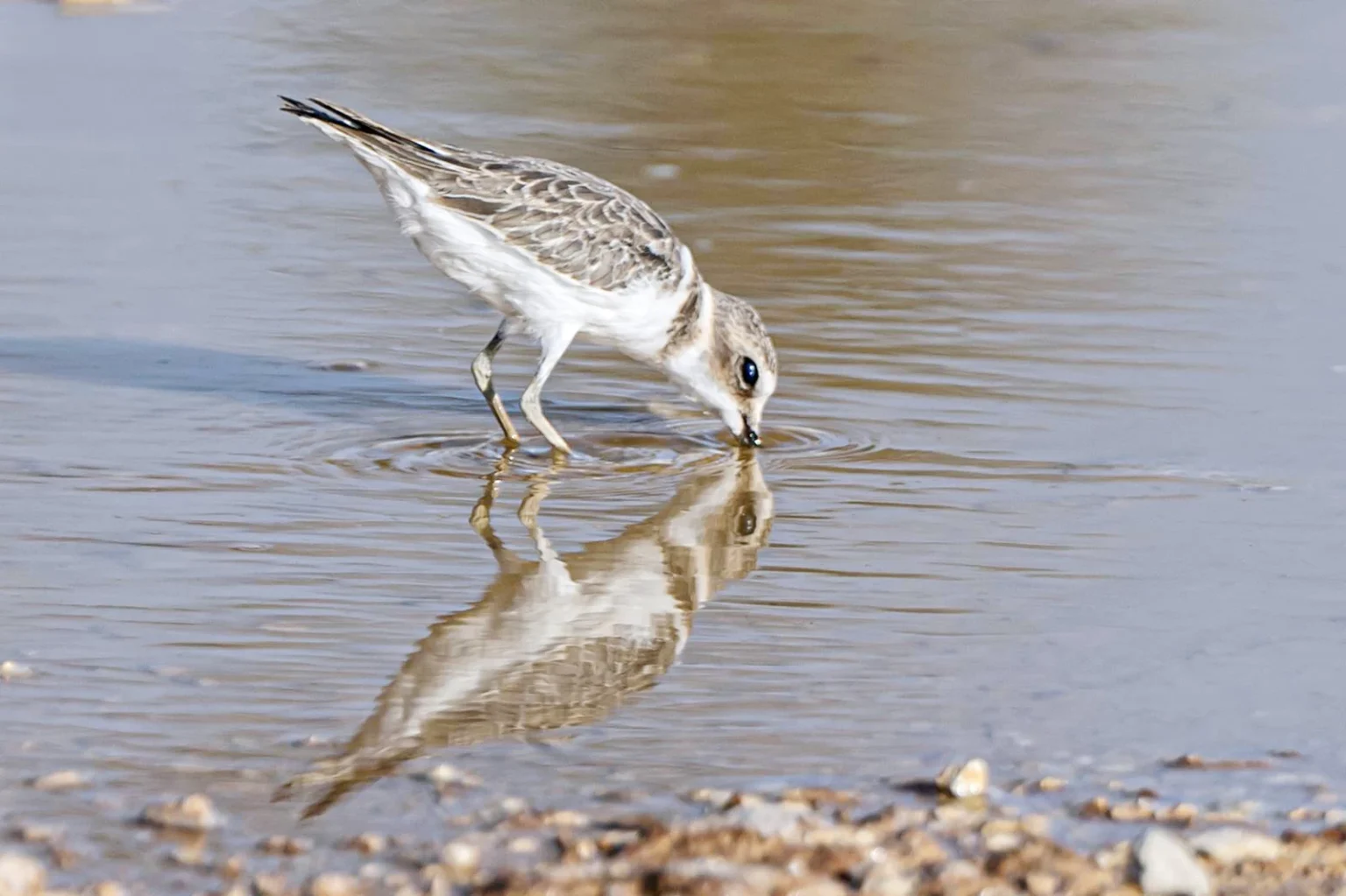

Greater sand plover observed across Northern Borders Region
Field teams and volunteers recently recorded the greater sand plover in several wild sites across the Northern Borders Region, officials said. The sightings, reported by the Aman Environmental Society, indicate the species continues to use the area’s coastal flats and sandy inland habitats during its migration and wintering periods.
Nasser Irshid Al-Majlad, head of the Aman Environmental Society, said the records came from routine monitoring this season and reflect the persistence of suitable habitats in the region. The observations identify who (local researchers and volunteers), what (greater sand plover sightings), when (recent monitoring season) and where (Northern Borders Region), establishing the basic facts for follow-up conservation work.
Why the greater sand plover matters for migratory bird monitoring
The greater sand plover is a widespread migratory shorebird that serves as an indicator of coastal and desert-edge habitat quality. Furthermore, continued records of this species help conservationists track broader trends in migratory birds and ecosystem health, according to regional experts.
Greater sand plover populations frequently move along long migratory routes that link breeding grounds in Central Asia with wintering sites in South Asia, Africa and the Arabian Peninsula. Therefore, their presence in the Northern Borders Region can signal the effectiveness of habitat conservation measures and the resilience of interlinked stopover sites.
Field characteristics and seasonal appearance
The species is notable for a sturdy build, a relatively thick and moderately long bill, and long legs adapted for sandy and muddy environments. In winter, individuals display pale sandy upperparts with white underparts that provide camouflage in desert and shoreline settings.
Breeding plumage and identification
During the breeding season the greater sand plover develops a richer chestnut-brown breast and a prominent dark band across the eyes, which are among its most recognizable features. These changes make it easier for observers to distinguish it from similar plover species when migration and breeding behaviors are under study.
Habitat observations and conservation implications
Survey teams noted that the birds were concentrated on exposed mudflats, sandy beaches and adjacent inland flats that remain intact and free from heavy development. Additionally, the records suggest these habitats continue to support shorebird foraging and resting needs during migration.
Continued presence of this species supports the case for targeted habitat conservation. Officials emphasized the need to protect key shorelines and desert-edge areas from disturbance, promote responsible land use, and integrate bird monitoring into regional planning. These actions align with habitat conservation goals under the Saudi Green Initiative and the Kingdom’s Vision 2030, experts said.
Local efforts and monitoring strategies
The Aman Environmental Society and partner volunteers conducted the recent observations as part of ongoing monitoring efforts. Moreover, their work involved standardized counts and photographic records to support species verification and trend analysis over time.
Regional conservationists advocate expanding systematic monitoring during peak migration windows and coordinating with national and international networks that track migratory birds. Therefore, improving data sharing and adopting consistent survey protocols will strengthen assessments of how the greater sand plover and other migratory birds use the Northern Borders Region.
Risks, recommendations and policy context
Key threats to shorebirds include habitat loss from coastal development, disturbance from recreational activities, and degradation of feeding grounds. In contrast, maintaining natural shorelines, managing human access in sensitive areas, and restoring degraded flats can provide measurable benefits.
Authorities and environmental groups recommend that local planners incorporate shorebird priorities into development reviews and that conservation outreach continues to raise awareness among communities and visitors. Furthermore, partnerships with national biodiversity programs can mobilize funding and technical support to sustain long-term monitoring and protection.
What to watch next
Observers should expect continued seasonal movements of the greater sand plover in coming migration cycles, with peak detections likely during fall and spring migration windows. Meanwhile, officials will report new survey results as they compile annual monitoring data.
Readers and local stakeholders should watch for published monitoring summaries and any announcements about habitat protection measures. Additionally, volunteer programs and citizen science initiatives offer opportunities for residents to contribute sightings that help refine conservation priorities.
Conclusion and forward look
The recent greater sand plover sightings in the Northern Borders Region offer a practical marker of habitat quality and the importance of coordinated conservation. Going forward, maintaining regular surveys, protecting key coastal and inland flats, and linking local efforts with broader migratory bird programs will be essential steps to preserve the species and the ecosystems it depends on.
Officials expect follow-up monitoring results later this year and encourage stakeholders to support habitat conservation actions that align with national biodiversity objectives and the Saudi Green Initiative.