






Strengthening Tourism Collaboration Among Gulf States
Sheikh Khalid bin Abdullah Al Khalifa, Deputy Prime Minister of Bahrain, emphasized the critical role of security in fostering development and tourism in Bahrain. Under the leadership of King Hamad bin Isa Al Khalifa and the directives of Crown Prince Salman bin Hamad Al Khalifa, Bahrain seeks to enhance its reputation as a secure and stable destination for family tourism. This approach aligns with the wise visions of Gulf Cooperation Council (GCC) leaders, which have elevated the region’s appeal as a preferred travel destination worldwide.
Bahrain Hosts GCC Tourism Ministers Meeting
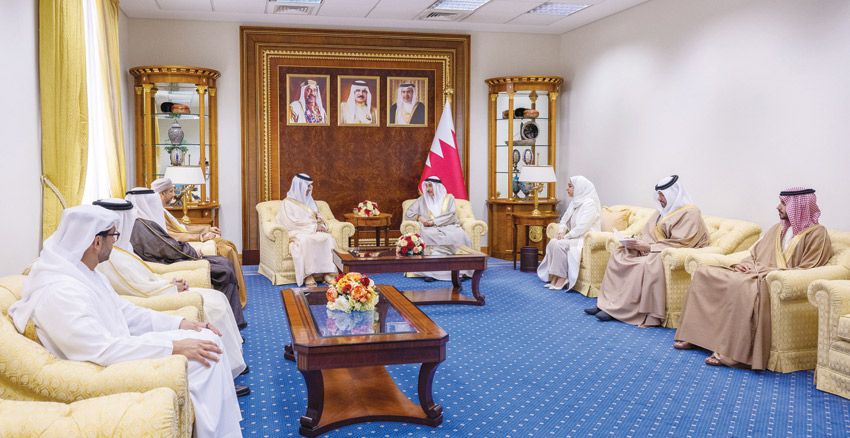
The comments were made during a meeting held at Al Qudhaybiyya Palace, attended by Fatima bint Jaafar Al Sayyari, Minister of Tourism, and heads of delegations participating in the 10th meeting of the ministers of tourism from GCC countries. This important gathering is part of Bahrain’s responsibilities as it chairs the 46th session of the GCC Council, also known as the “Bahrain Summit.” During the meeting, officials exchanged greetings from their respective leaders to emphasize collaboration and unity among the member states.
Looking Ahead: Future of Tourism in the GCC
During the meeting, Sheikh Khalid wished success to the participants in concluding decisions and recommendations aimed at boosting the growth of the regional tourism sector. Furthermore, he highlighted the significance of joint initiatives that aim to facilitate the movement of tourists and enhance the competitiveness of the region as a diverse cultural and heritage tourism destination. The collaborative efforts demonstrate a robust commitment to diversifying the economy and achieving comprehensive developmental aspirations in the region.
Additionally, Sheikh Khalid praised the ongoing efforts by tourism ministries and agencies across the GCC, alongside the General Secretariat of the Gulf Cooperation Council, to translate shared visions into practical work programs and integrated projects that serve the region’s developmental trajectory. The mutual respect and gratitude expressed by the heads of delegations underline the importance of pushing forward initiatives that will strengthen tourism cooperation and integration in the Gulf region.
This meeting not only marks a significant step towards enhancing the competitiveness of the Gulf tourism sector but also showcases the commitment of the member states to work together for mutual benefit. As the region navigates challenges and opportunities ahead, the collaborative framework established will be crucial in advancing tourism as a pillar of economic diversification among Gulf countries.
Looking forward, stakeholders within the tourism sector should remain attentive to the outcomes of this meeting. Expectations are high for the initiatives that will be launched, with an emphasis on establishing easier travel arrangements and promoting cultural exchange among member states. Observers will watch closely for how these developments unfold in the coming months, as the Gulf continues to enhance its positioning as a leading global tourism hub.