






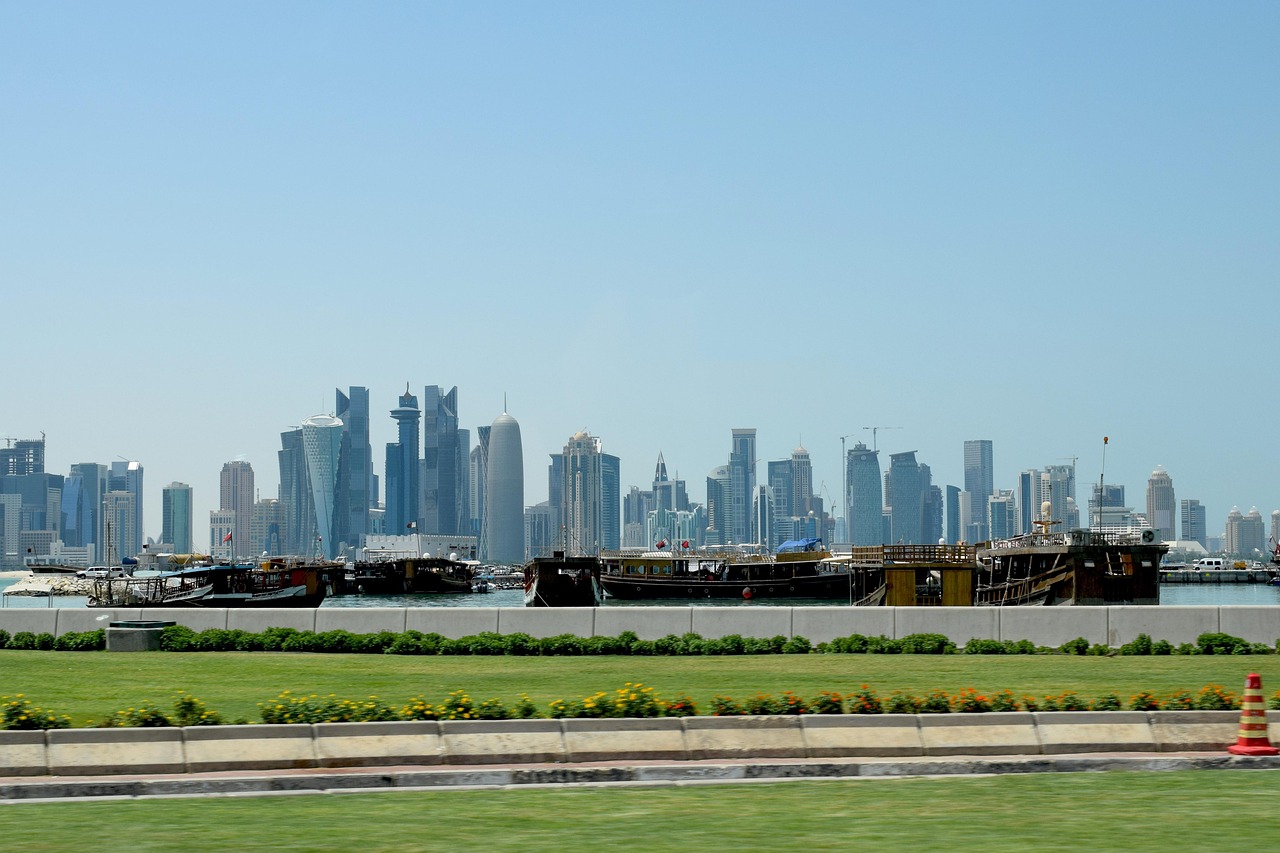

Remote work is no longer a temporary experiment. In the Gulf — home to major cities like Dubai, Riyadh, Doha and Manama — it is actively altering economies, urban design, social norms and policy. This article explains the forces driving the change and what it means for residents, governments and businesses.
Drivers: Why Remote Work Took Hold
Several interlocking factors pushed remote work from niche to mainstream across the Gulf Cooperation Council (GCC):
- COVID-19 acceleration: The pandemic forced companies to adopt remote operations rapidly, normalising flexible arrangements that many have kept.
- Investment in digital infrastructure: Widespread 4G/5G rollouts, reliable fiber networks and modern cloud services made remote collaboration practical for knowledge and service sectors.
- Policy signals: Governments introduced remote work/long-stay visas and digital services to attract talent and visitors — signalling openness to distributed work models.
- Economic diversification: As Gulf states diversify away from hydrocarbon dependency, remote-friendly industries (tech, fintech, creative services) have grown, supporting flexible work.
Urban and Real-Estate Impacts
Remote work is changing how people use city space and how urban economies function.
Suburbanisation and new housing patterns
With less need for daily commuting, many residents prefer larger homes, suburban neighbourhoods or smaller cities where living costs are lower and quality of life can be higher. This softens demand for central office-adjacent apartments and increases interest in family-oriented housing.
Office market transformation
Demand for traditional offices has shifted toward hybrid models and flexible coworking spaces. Landlords and developers are repurposing or redesigning commercial buildings to offer shared space, wellness amenities and shorter leases.
Labour Market and Economic Effects
Remote work is reshaping employment dynamics in distinctive ways:
- Talent competition and globalisation: Employers can hire from a global pool, increasing competition for local and expat workers and pressuring salaries in high-demand sectors.
- Opportunities for nationals: Remote work can make certain jobs more accessible to local citizens — especially women and younger professionals — by overcoming cultural or commuting constraints.
- Shift in service demand: Less daily commuting affects sectors like transportation, food services near offices and hospitality, while increasing demand for home delivery, local leisure and digital services.
- SME and freelance growth: Flexible work supports entrepreneurship and freelancing, contributing to diversified, small-business-driven growth.
Social and Cultural Impacts
Remote work influences family life, gender roles and lifestyles:
- Work–life balance: More time at home can strengthen family ties and reduce commuting stress, but blurred boundaries may also increase burnout unless managed.
- Women’s workforce participation: Flexible hours and remote options can enable higher participation by women in societies where commuting or workplace mixed environments were previously barriers.
- Expatriate dynamics: Changes in corporate mobility, shorter assignment lengths and the rise of long-stay work visas affect long-term residency decisions and the mix of expat vs. local populations.
Policy, Regulation and Digital Nomadism
Governments across the Gulf are responding with new policies and incentives:
- Remote-work visas and long-term tourist/work permits: Several countries have introduced visas aimed at digital nomads and remote professionals, to capture spending and talent without traditional employment sponsorship models.
- Data, labour and tax considerations: Regulatory frameworks must clarify employment rights, social protection, cross-border taxation and data privacy for remote workers.
- Nationalisation programs: Efforts to prioritise local hiring (e.g., Saudisation) are adapting to remote hiring practices while balancing economic openness.
Infrastructure and Inclusion Challenges
Benefits are not automatic. Key challenges include:
- Digital divide: Remote work advantages accrue to workers with reliable broadband, quiet homes and digital skills — leaving service-sector and lower-income workers behind.
- Labour protections: Many gig or remote roles lack formal protections such as pensions, leave and grievance mechanisms.
- Cultural adjustments: Organisations and managers must develop remote leadership, trust-based performance metrics, and inclusive virtual practices.
What the Future May Hold
Remote work will continue to evolve in the Gulf driven by technological change and policy choices. Likely trends include:
- More hybrid workplace design blending local hubs, central offices and home-based days.
- Growth in coworking “neighbourhood” models that combine work, childcare and leisure.
- Greater competition for high-skilled talent globally, prompting improved local education, training and incentives.
- Regulatory updates addressing cross-border employment, taxation and worker protections.
Conclusion
Remote work in the Gulf is not simply a change in where people perform tasks; it is reshaping cities, economies and social arrangements. For governments and businesses, the priority is to harness this shift to support diversified economic growth, inclusive opportunity and modern urban living — while addressing gaps in infrastructure, regulation and social protection that could otherwise widen inequalities.