




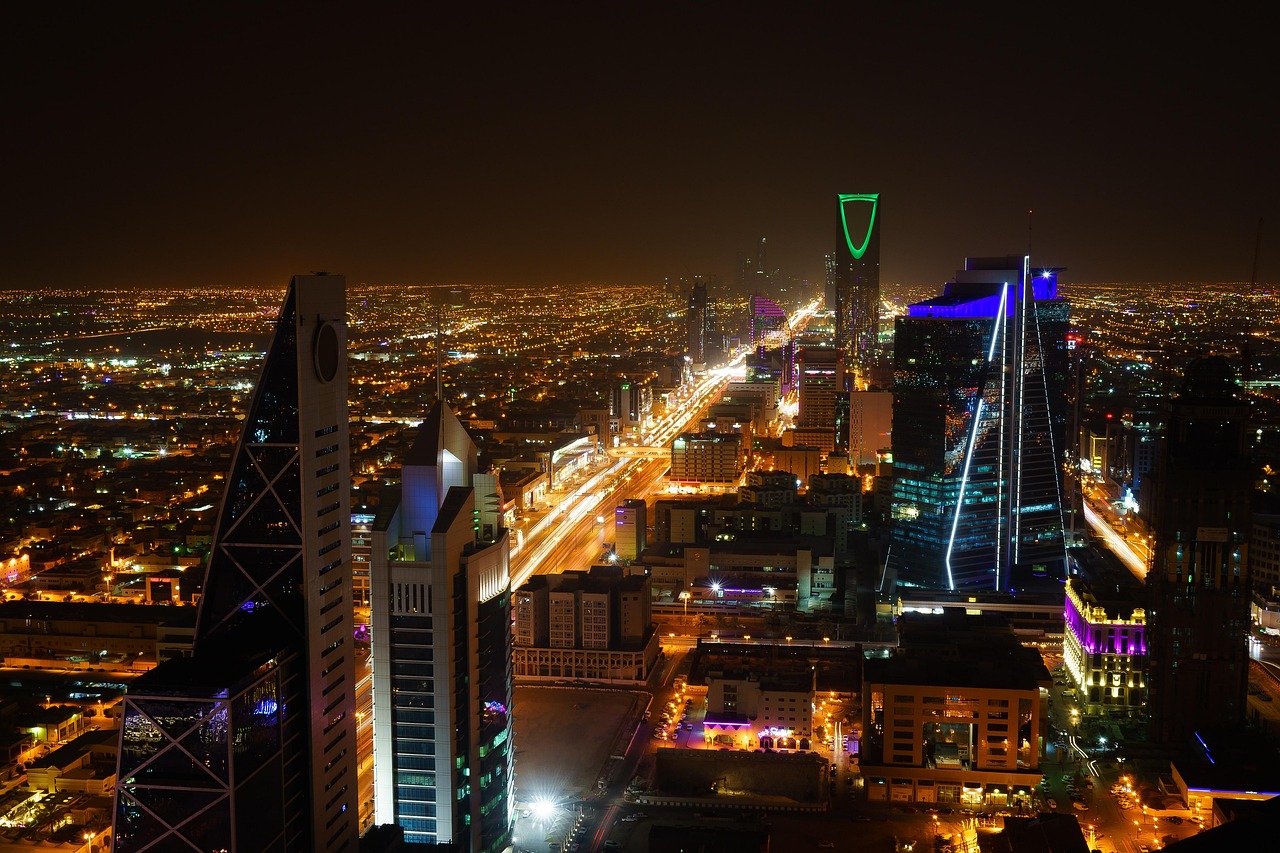

By 2026, Saudi Arabia has become an increasingly attractive destination for international professionals. This article explores the main drivers behind that shift, the sectors hiring, quality-of-life changes, practical considerations, and tips for anyone considering a move.
1. The economic transformation: job creation at scale
Saudi Arabia’s long-term development strategies have continued to reshape the economy, accelerating diversification beyond oil. Large-scale public and private projects — from urban and tourism developments to renewable energy and tech hubs — are generating a broad range of jobs. For many expatriates this means opportunities across construction, engineering, hospitality, health care, finance, information technology and creative industries.
2. Expanded residency and visa options
One of the clearest factors encouraging expat interest is more flexible residency and work arrangements. Recent years have seen a steady expansion of legal pathways that make medium- and long-term stays simpler and more secure for professionals and their families. These options reduce the administrative friction that historically deterred longer relocations.
3. Competitive compensation and tax advantages
Many employers offer competitive salary packages combined with benefits such as housing allowances, education subsidies, annual airfare, and private health insurance. A distinct advantage for many expats is the absence of personal income tax on salaries, which—alongside generous allowances in some sectors—can make net earnings attractive compared with other global centers.
4. Improved quality of life and urban amenities
Over the past several years, cities across the Kingdom have added international schools, modern hospitals, recreational and cultural venues, and an expanding restaurant and entertainment scene. Investment in public transport, airports and digital infrastructure has also improved connectivity. These changes have helped shift perceptions: many expats now find a modern, family-friendly lifestyle more attainable than before.
5. Fast-growing sectors and skill demand
Key sectors with noticeable demand include:
- Technology and digital services (software development, cybersecurity, cloud)
- Renewable energy and sustainability roles (project managers, engineers)
- Construction, engineering and urban planning for mega-projects
- Healthcare professionals and allied health workers
- Hospitality, tourism and luxury service management
- Finance, investment, and regulatory/compliance specialists
- Education—international schools and vocational training
6. Cultural and social evolution
Saudi society has continued to open up in visible ways: a growing public cultural calendar, more leisure options, and greater participation of women in the workforce. For many expatriates these changes make day-to-day life easier and more socially engaging. At the same time, new arrivals should prepare for cultural norms and local laws that differ from their home countries.
7. Challenges and realistic considerations
Moving to Saudi Arabia still comes with trade-offs. Commonly cited challenges include:
- Climate extremes, particularly in summer months
- Higher housing prices in prime urban areas and project zones
- Adjusting to different cultural expectations and legal norms
- Potential for contractual or bureaucratic complexity if hiring is not managed professionally
Practical tip: verify employment contracts, understand leave and repatriation terms, confirm family benefits, and consider using a relocation advisor for the first move.
8. Practical steps for professionals considering the move
- Research employers and sectors in demand; prioritize established companies or those with strong HR practices.
- Get a clear, written employment contract that outlines salary, allowances, benefits, probationary period and termination terms.
- Investigate schooling, healthcare, and housing options in the city you’ll be based in.
- Arrange international health insurance coverage and understand local medical facilities.
- Learn basic Arabic greetings and customs; cultural awareness eases integration and workplace relations.
- Connect with local expat communities and professional networks before arrival.
9. The outlook: long-term opportunity with nuance
As 2026 progresses, Saudi Arabia presents a mix of opportunity and adaptation. Structural reforms, expanding residency pathways, and a pipeline of high-profile projects create meaningful demand for international talent. For professionals who research carefully, negotiate clear terms, and prepare for cultural differences, Saudi Arabia can offer competitive compensation, accelerated career growth and a unique experience living at the center of a rapidly changing region.