






Qatar mediation in U.S.-Iran talks highlighted in diplomatic calls
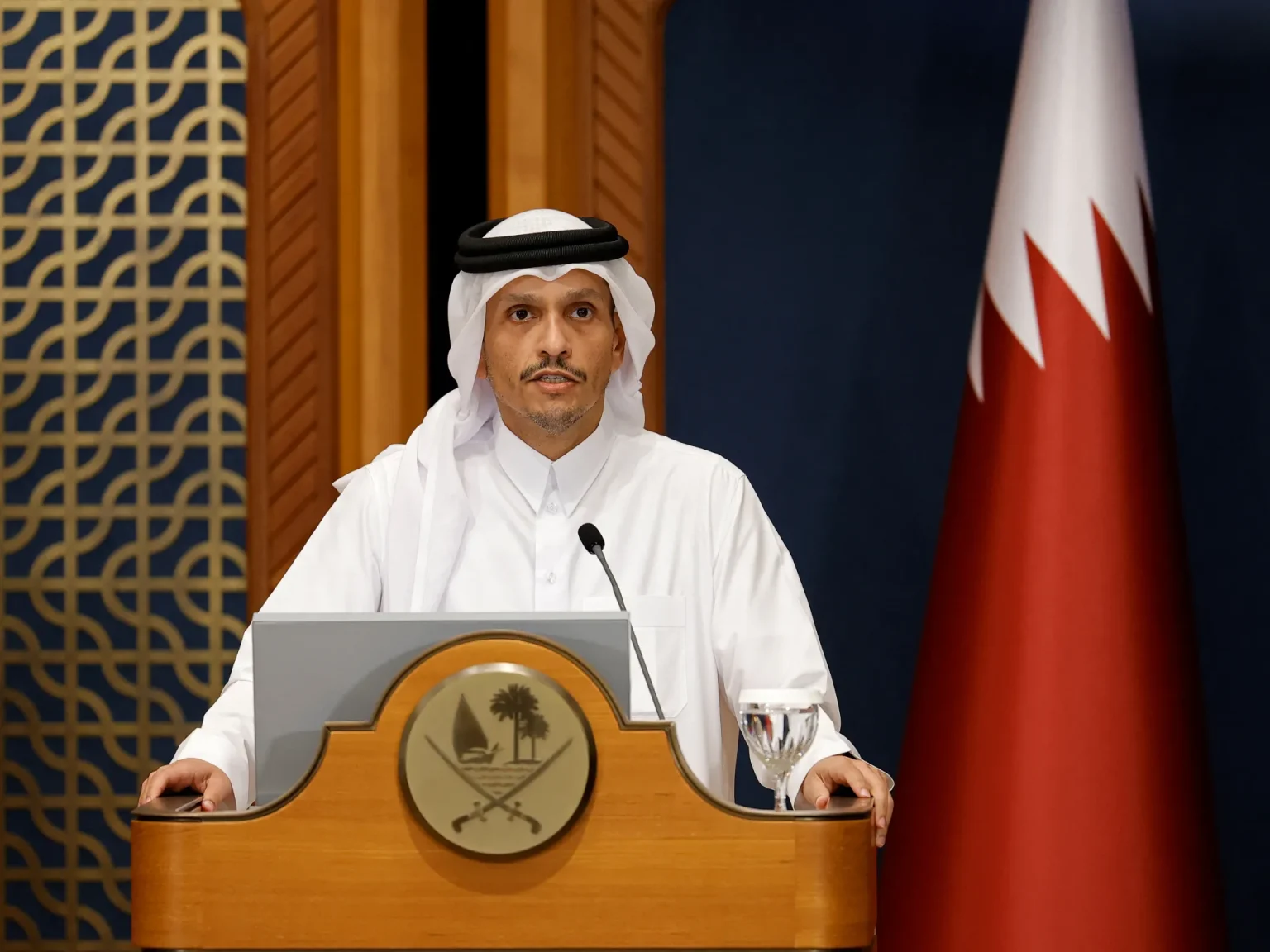
Doha — Qatar’s mediation role between the United States and Iran was underscored on August 6, 2026, when Qatar’s prime minister and foreign minister, Sheikh Mohammed bin Abdulrahman Al Thani, held separate telephone conversations with Saudi Foreign Minister Prince Faisal bin Farhan and Iran’s Abbas Araghchi, the Qatari Ministry of Foreign Affairs said. The calls focused on support for ongoing US-Iran talks and coordination to reduce regional tensions.
The Qatari ministry released a brief statement saying Sheikh Mohammed reviewed cooperation with Riyadh and Tehran and discussed ways to bolster mediation efforts and lower the risk of escalation across the region.
Details of the August 6 diplomatic exchanges
According to the ministry statement, the conversation with Prince Faisal emphasized bilateral cooperation and ways Saudi Arabia and Qatar can coordinate to support mediation aimed at de-escalation. The calls took place amid heightened diplomatic activity related to US-Iran talks and developments in Lebanon, officials said.
In the telephone exchange with Abbas Araghchi, Sheikh Mohammed discussed mediation efforts with Iran and also touched on recent developments in Lebanon, the ministry added. Qatar affirmed its support for any diplomatic pathway that seeks a comprehensive agreement contributing to regional stability.
Qatar mediation: historical context and regional role
Qatar has cultivated a reputation as a facilitator of dialogue in Gulf diplomacy, often hosting or supporting talks on contentious regional issues. While the ministry statement did not detail specific negotiation steps or timelines, it reiterated Doha’s readiness to back efforts that contain escalation and open channels for sustained dialogue.
Analysts note that Qatar’s geographic position and diplomatic ties across the Gulf and beyond have allowed it to play a bridging role in sensitive conversations. Therefore, regional actors often turn to neutral interlocutors to convey messages, build confidence, and help craft the conditions for more formal negotiations.
Why Qatar is positioning itself as a mediator
Officials and analysts point to several practical reasons behind Qatar’s mediation role: established lines of communication with varied regional stakeholders, investment in diplomatic infrastructure, and an interest in preventing conflict spillover that could affect its security and economy. Furthermore, Doha regularly frames its diplomatic interventions as facilitating dialogue rather than substituting for direct negotiations among principal parties.
Qatar’s involvement in support roles typically focuses on de-escalation and confidence-building measures, according to diplomatic sources familiar with Gulf diplomacy dynamics, who asked not to be named discussing sensitive channels.
How the calls relate to US-Iran talks and broader regional security
The conversations on August 6 are part of a wider diplomatic push to support US-Iran talks and to mitigate risks in flashpoints such as Lebanon. Qatar’s outreach to both Riyadh and Tehran signals an attempt to harmonize regional approaches to the talks and to reduce the likelihood of miscalculation that could derail negotiations.
Secondary keywords such as US-Iran talks and regional security are central to the exchanges, as participants discussed both immediate steps to lower tensions and longer-term mechanisms to sustain peace. Officials said coordination among Gulf states and other stakeholders can help present a more unified regional environment conducive to productive negotiations.
Implications for Gulf diplomacy and Lebanon
Support for mediation can create space for addressing the underlying drivers of conflict, but outcomes depend on the willingness of primary actors to engage constructively. Qatar’s outreach to Saudi Arabia and Iran on the same day signals an attempt to build consensus around de-escalation measures that could ease pressure on fragile theaters like Lebanon.
In Lebanon, where political and security volatility has regional implications, coordinated diplomatic pressure and mediation resources may help stabilize near-term tensions. However, officials caution that mediation is only one element of a complex political environment that also requires local reforms and international support.
Coordination and practical challenges
Diplomatic coordination among Gulf states, Iran and external actors such as the United States faces practical hurdles, including differing strategic priorities and domestic political constraints. Therefore, sustained engagement and confidence-building steps are often necessary before substantive agreements can be reached, the ministry statement and analysts suggest.
Qatar’s role, as described by officials, focuses on creating channels for dialogue and encouraging all parties to respond positively to mediation initiatives, rather than prescribing specific outcomes.
What to watch next: timelines and possible developments
Observers should watch for follow-up diplomatic contacts, formal statements from the US and Iranian delegations involved in the talks, and any regional meetings that might signal a broader consensus on de-escalation. Qatar’s next steps could include shuttle diplomacy, hosting talks, or coordinating with international partners to sustain momentum.
Officials have not announced a specific timeline for progress, and the ministry statement called for all parties to engage with mediation efforts to address the roots of the crisis through peaceful dialogue. Therefore, near-term indicators of progress will likely be diplomatic frequency, public statements of support, and any movement toward formal agreements in the coming weeks.
Forward-looking conclusion
Qatar’s twin phone calls on August 6, 2026, reflect an active push to support US-Iran talks and to coordinate Gulf diplomacy aimed at reducing regional tensions. The ministry statement underscores Doha’s commitment to mediation and to backing initiatives that promote regional security and stability.
Readers should monitor subsequent diplomatic briefings, any declarations from negotiating delegations, and regional responses to these mediation efforts to assess whether coordinated diplomacy advances toward a durable de-escalation and agreement.