







Gulf Cooperation Council meeting in Doha draws focus on regional cooperation
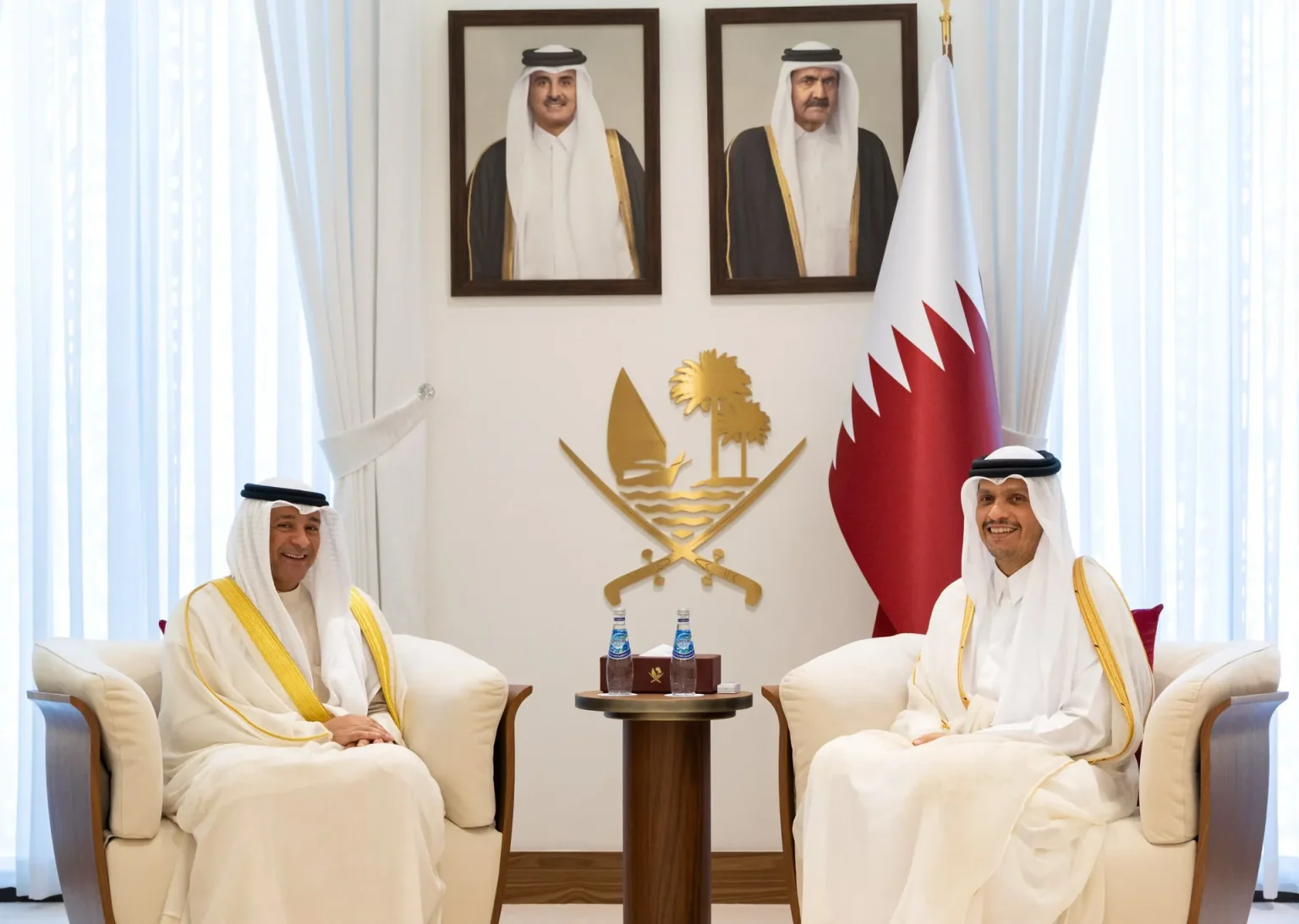
Doha — Qatar’s Prime Minister and Minister of Foreign Affairs, Sheikh Mohammed bin Abdulrahman Al Thani, received Gulf Cooperation Council Secretary‑General Jassim Al‑Budaiwi on September 6, 2026, in a meeting that regional officials said aimed at strengthening multilateral ties. The Gulf Cooperation Council visit brought together senior Gulf officials to review cooperation frameworks and recent developments affecting the Arabian Gulf and wider Middle East.
Who attended and what was discussed
The meeting in Doha was attended by Qatar’s top diplomatic leadership and the Secretary‑General of the Gulf Cooperation Council, according to a statement from Qatar’s Ministry of Foreign Affairs. Officials said the session provided an opportunity to review the secretariat’s work, discuss practical support from Qatar to the council, and assess political and security trends across member states.
According to the GCC statement, Secretary‑General Jassim Al‑Budaiwi thanked Qatar for its continued assistance to the council’s secretariat and for hosting consultative talks. The joint statements did not list a detailed agenda but indicated emphasis on institutional cooperation and regional stability, officials said.
Gulf Cooperation Council priorities discussed
Participants focused on core priorities for the Gulf Cooperation Council such as economic integration, security coordination, and diplomatic engagement, the ministry said. Discussions reportedly looked at how member states can better align policies on trade, energy cooperation, and crisis response mechanisms to address shared challenges.
Qatar’s role in supporting the secretariat was highlighted, with officials noting practical contributions that enable the council’s daily functions and program delivery. Meanwhile, the GCC Secretary‑General conveyed appreciation for logistical and diplomatic support that the country provides, according to the council’s briefing.
Context: regional challenges and the role of multilateral institutions
The meeting comes against a backdrop of evolving regional security dynamics, economic transition, and geopolitical shifts across the Middle East. Analysts say multilateral forums like the Gulf Cooperation Council remain central to coordinating member responses to cross‑border security threats, energy market fluctuations, and diplomatic initiatives.
Furthermore, officials emphasized the council’s potential to mediate differences among member states and to coordinate joint responses to external pressures. The Doha meeting was framed as part of wider efforts to strengthen institutional capacity and to reaffirm shared commitments to cooperation and consultation, according to public statements.
Qatar’s diplomatic posture and support for the GCC Secretary‑General
Qatar’s reception of the GCC Secretary‑General underscores Doha’s active diplomatic posture within the Gulf bloc. The foreign ministry’s release noted that the encounter was “an opportunity to review prospects for enhancing the council’s work,” a phrasing that officials said reflects a focus on concrete administrative and policy collaboration.
Observers said Qatar’s support for the secretariat — including hosting meetings and providing administrative assistance — helps sustain the council’s agenda items, from economic projects to security coordination. The Secretary‑General’s expressions of thanks were described in the council communiqué as recognition of that support.
Implications for member states and regional policy
Short‑term implications include potential follow‑up working groups or technical committees to translate high‑level discussions into actionable plans, officials suggested. In particular, ministers may be asked to revisit proposals on economic harmonization and joint contingency planning at upcoming council sessions.
Longer‑term implications depend on the pace of technical cooperation and the willingness of member states to pursue collective initiatives. The meeting in Doha signals a continued emphasis on unity of purpose, but officials cautioned that outcomes will depend on subsequent intergovernmental coordination and the adoption of specific proposals.
What to watch next
Observers should watch for announcements about new working groups or joint projects emerging from the Gulf Cooperation Council secretariat in the weeks following the Doha meeting. Officials indicated that the secretariat and member states will continue consultations, and further ministerial meetings could be scheduled to advance the items discussed.
Additionally, stakeholders will monitor whether the council issues joint statements on regional developments or adopts coordinated economic measures. The next formal step is likely to be technical follow‑up, with progress reports expected at subsequent GCC ministerial gatherings, according to the statements issued after the meeting.
Conclusion and forward look
The September 6, 2026, meeting between Sheikh Mohammed bin Abdulrahman Al Thani and GCC Secretary‑General Jassim Al‑Budaiwi reaffirmed Qatar’s engagement with the Gulf Cooperation Council and highlighted institutional cooperation as a priority. Going forward, readers should watch for detailed agendas from the secretariat and any new joint initiatives announced by member states in coming months.
Ultimately, the Doha talks appear to be an early step in a sequence of consultations focused on translating high‑level commitments into coordinated policy actions, and the effectiveness of that follow‑through will shape regional cooperation in the near term.