








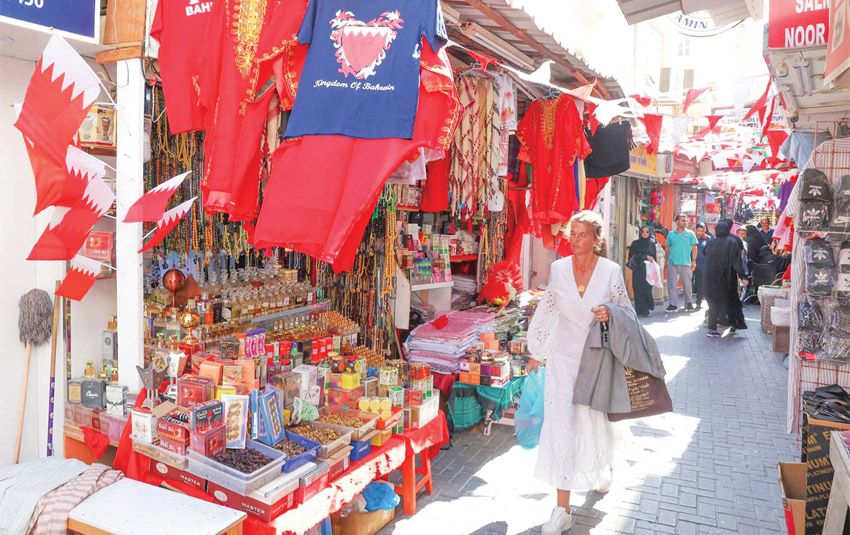

Market Regulations Bahrain: New Rules for Public and Popular Markets
The Capital Municipality Council and the heads of the three municipal councils announced new market regulations Bahrain officials published in the Official Gazette this week. The rules govern operation, licensing and allocation of stalls in central and popular markets across the Capital, Muharraq, Southern and Northern municipalities, and apply to traders and market managers immediately upon publication.
According to the published regulation, municipal authorities formed dedicated municipal committees to oversee market licensing and site allocation, and detailed eligibility, operational, and enforcement procedures. The regulation cites Decree-Law No. 36 of 2002 on tenders and procurement as the legal basis for competitive allocations and financial procedures, officials said.
Committee Structure and Market Licensing Procedures
The new rules require each municipality to establish a municipal committee to manage public markets and popular markets. The committee is chaired by the director-general of the municipality and includes a municipal council representative, the heads of properties and markets, legal affairs, revenue, building licensing and procurement units.
Application for market licensing must be submitted to the municipality’s director-general for referral to the committee. The committee is required to decide on complete applications within 15 days, and any unexplained lapse is treated as implicit approval. Applicants must meet nationality and employment conditions, supply a commercial registration when the activity requires it, and provide a clearances certificate confirming no outstanding debts to municipal authorities.
Competitive allocation is subject to auction conditions where applicable. The regulation specifies that a licensee normally may not be allocated more than one stall in the same market unless the applicant placed the highest compliant bid under the auction terms. These auction and allocation steps are designed to ensure transparency in market licensing and to protect existing tenants’ rights.
Operational Obligations and Site Management
Licensees must take physical possession of the allocated site under a signed handover report and begin operating within 30 days of the license date unless a valid excuse is accepted by the committee. Furthermore, licensees are required to operate their own stalls; they may employ assistants but must register staff with the municipality and maintain a file containing the license, staff lists, and related documents.
Market operators must comply with public order and health rules: keep the site clean, dispose of waste in designated areas, avoid blocking roads and walkways, and refrain from disturbing public peace with loudspeakers or intense lighting. The regulation mandates a minimum one-meter pedestrian clearance on occupied sidewalks and allows municipalities to increase that distance based on foot-traffic density to ensure safe and accessible public markets.
Enforcement, Penalties and Appeal Rights
Municipalities may take graduated measures when licensees breach the rules. Initial action includes a written or electronic warning and a one-week deadline to correct faults. Failure to comply can result in temporary prohibition from conducting business in the market for up to one week, escalating to up to 15 days for repeated breaches. Persistent violations may lead to license withdrawal by the municipal committee.
The regulation preserves procedural safeguards by allowing affected parties to file an appeal with the municipality’s director-general within 15 days of notification. The director-general must issue a decision within seven days of receiving the appeal, and failure to decide within that timeframe will be treated as an implicit rejection, according to the text published in the Gazette.
Rules for Occupation of Walkways and Outdoor Areas
Municipalities may grant temporary permits to occupy sidewalks, plazas and circulation spaces within markets, limited to those already licensed to use stalls in the same market. Permits cannot be granted where occupation would obstruct emergency services, compromise traffic safety, or harm the market’s planning, safety or appearance. The authorization is temporary and revocable at any time without liability to the municipality.
Holders of occupation permits are responsible for maintaining safety and cleanliness, removing any temporary structures or litter, and restoring the site to its prior state if required. Municipal authorities will set permitted activities and the added value that occupation may bring to the market, ensuring that public convenience and safety remain paramount.
Implications for Traders and Municipal Management
For traders, the regulation clarifies the pathway to lawful participation in public markets and sets clear expectations on conduct, hygiene and business continuity. Market licensing and market regulations Bahrain introduce procedural certainty that may reduce disputes over allocations and make enforcement more predictable.
For municipal administrations, the rules centralize market oversight, linking allocation decisions to a formal committee and aligning procedures with procurement law. This alignment is intended to strengthen financial controls and standardize market operations across municipalities, potentially improving revenue collection and urban management.
Background and Context
Public markets have long been central to local commerce and urban life, providing access to fresh produce, household goods and small-scale enterprises. The new regulatory framework responds to recurring municipal concerns about unauthorized occupation, hygiene, traffic obstruction and unclear licensing practices, the official report indicates. Authorities framed the changes as a step toward modernizing market governance while protecting traders’ rights under clear contractual terms.
What to Watch Next
Traders and market associations should monitor municipal communications for implementation schedules, auction notices, and committee meeting dates. Municipalities are expected to issue detailed procedural guidelines and templates for handover reports, signage specifications and occupation permits. Observers should watch how committees apply the auction provisions under Decree-Law No. 36 of 2002 and whether local authorities phase enforcement to minimize disruption.
Overall, market regulations Bahrain set a structured framework for market licensing, operations and enforcement. The next steps will determine how quickly the changes translate into improved market order, better sanitation and a more transparent allocation process for traders across the affected municipalities.