








Bahraini pilgrims complete farewell tawaf, begin departures
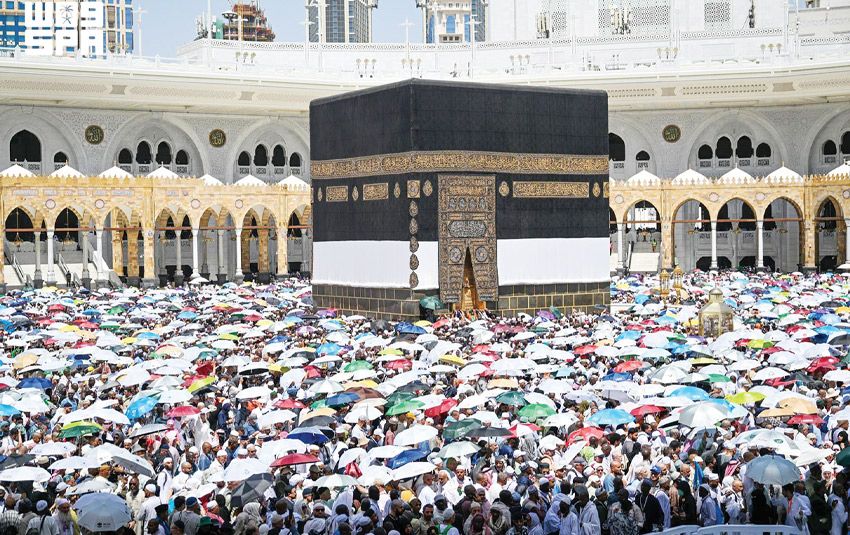
Bahraini pilgrims performed the farewell tawaf at the Grand Mosque in Mecca yesterday, marking the close of the Hajj rituals and the start of scheduled repatriation flights to the Kingdom of Bahrain today, Saturday. The Kingdom of Bahrain Hajj Mission said the departures follow organized procedures and praised the smooth conditions at the holy sites during Hajj 1447.
Officials and pilgrims described a dense but orderly circumambulation as crowds moved with coordination and calm. Khalid Al Malood, Secretary-General of the Kingdom of Bahrain Hajj Mission, emphasized the role of continuous field supervision and cooperation with Saudi authorities in ensuring a secure and efficient conclusion to the pilgrimage.
Organized logistics and on-ground coordination
According to mission statements, field teams intensified presence across the holy sites over recent days, conducting direct inspections of Bahraini camps and service points. Sheikh Adnan Al-Qattan, head of the Bahraini Hajj mission, led visits to verify transport plans, health services and crowd movement protocols, officials said.
Meanwhile, mission coordinators worked closely with campaign leaders, security agencies and private service providers to maintain a clear flow between Mina, Arafat and Muzdalifah. Therefore, the Kingdom of Bahrain Hajj Mission credited integrated planning and a centralized service hub—service center number 99 operated by Guests of the House company—for helping pilgrims reach lodging and perform the farewell rites on time.
Pilgrim experience, health and safety measures
Many Bahraini pilgrims expressed gratitude for what they described as a dignified, safe pilgrimage supported by the Bahraini leadership. They noted visible security, accessible medical care and frequent updates from the mission. The statements reflect a broader praise for the Saudi-hosted Hajj operations this season.
Health teams remained on alert to assist travelers with heat-related conditions, fatigue and transport needs. Officials said emphasis was placed on staged movement during the stoning ritual to avoid congestion at the Jamarat complex, enhancing both safety and comfort. Furthermore, the mission reiterated public health guidance and encouraged pilgrims to stay hydrated and follow assigned transport schedules.
Farewell tawaf and ritual completion
After completing the stoning of the three Jamarat in Mina, many pilgrims opted to return to Mecca to perform the farewell tawaf before final departure. The farewell tawaf was executed amid orderly flows inside the Grand Mosque, with pilgrims engaging in prayers and supplication as they concluded their rites for Hajj 1447.
Mission reports indicate that those choosing an expedited return were processed for departure the same day, following the approved timetable. The mission stressed that steps for early departures began immediately after the final stoning and were completed before sunset, reflecting a precise and supervised evacuation plan.
Departure schedules and next steps
Repatriation plans were implemented in coordination with campaign leaders and commercial service providers to ensure pilgrims returned to their accommodation and prepared for flights. The mission confirmed that departure operations would continue according to a published schedule, with priority arrangements for elderly and vulnerable pilgrims.
Officials also noted that some pilgrims would remain in Mina to complete the days of Tashreeq before leaving, while others would travel directly to the airport after performing the farewell tawaf. The mission urged families and beneficiaries back in Bahrain to monitor official channels for arrival times and to follow any health or quarantine guidance issued by relevant authorities.
Guidance, messages and religious context
The Kingdom of Bahrain Hajj Mission issued an advisory to pilgrims, calling on them to reflect on the spiritual significance of the pilgrimage and to translate their experience into positive actions at home. The guidance highlighted respect for the sacred sites, attention to personal conduct and cooperation with volunteer and security teams throughout the rituals.
Mission leaders extended congratulations to Bahraini leadership and to the government and people of Saudi Arabia for what they described as effective services to pilgrims this season. In statements broadcast by mission media, officials thanked the host authorities and reiterated a prayerful wish for pilgrims’ safe return.
What to watch next
Readers should watch for official mission updates regarding final arrival manifests and any public health advisories related to returning pilgrims. The mission indicated that debriefing reports and field assessments will be compiled to inform planning for future Hajj seasons and to identify operational improvements.
In conclusion, Bahraini pilgrims completed their required rites and began scheduled departures under a coordinated plan overseen by the Kingdom of Bahrain Hajj Mission. Officials expect the final phases of repatriation to conclude within days, and stakeholders will likely evaluate lessons learned from Hajj 1447 to refine logistics and services for upcoming seasons.