





Manama market history: Lecture at Kano Museum Highlights City’s Multifaith Heritage
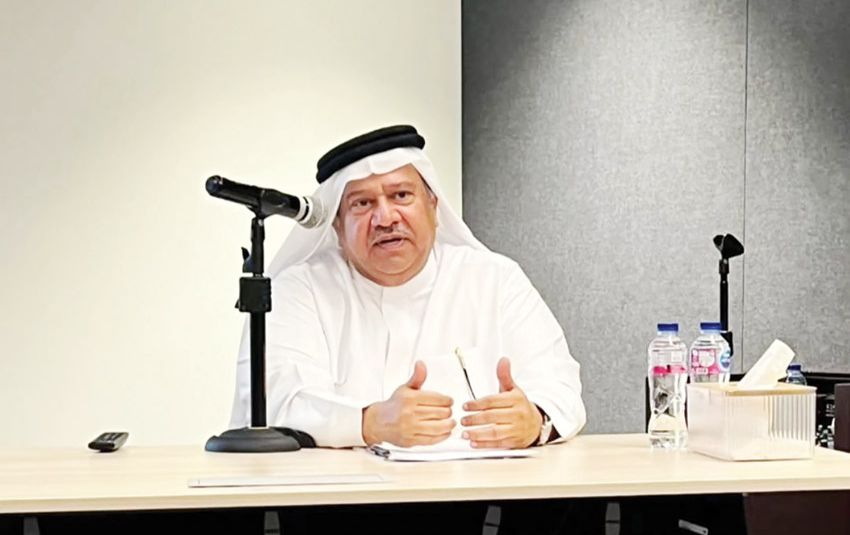
Historian and writer Nabil Ajour delivered a well-attended lecture on Manama market history at the Kano Museum last Saturday as part of International Museum Day programming. The presentation, covered by Marwa Ahmed with photographs by Mahmoud Baba, traced the changing commercial and social life of Manama’s souq and surrounding districts. Organizers said the session attracted a broad cross-section of residents and young history enthusiasts from the neighborhood.
Kano Museum event draws local residents and youth
The Kano Museum hosted the lecture under a series titled “City, Story, Place,” bringing local audiences into a focused conversation about urban memory and trade. According to museum organizers, the program was designed to mark International Museum Day and to encourage public engagement with Bahrain cultural heritage. Meanwhile, visitors were invited to tour the museum’s collections that document the Kano family’s long-standing ties to Manama.
Markets, trades and social fabric of the old souq
Ajour mapped the commercial diversity that characterized Manama’s souq for decades, from textile traders and spice merchants to specialized gold markets. He outlined how distinct alleys held particular trades: an area once associated with cloth sellers, another with tinsmiths and copperware, and pockets where Indian merchants traded spices and jewelry. Furthermore, he described how small eateries and coffee shops served as social hubs that sustained daily life and cross-cultural exchange.
In Ajour’s account, the gold markets near the Hindu temple reflected a historic clustering of Indian merchants and jewelers, while a separate Bahraini gold market displayed different architectural and operational traits, such as raised stalls designed to catch sunlight. These market distinctions illustrate how commerce both shaped – and was shaped by – cultural patterns in the city.
Cultural diversity and religious coexistence in Manama
A central theme of the lecture was Manama’s religious and ethnic plurality. Ajour noted that the capital’s urban fabric accommodated synagogues, Hindu temples, mosques, and churches within walking distance of one another. He said that longstanding practices of tolerance and coexistence point to a broader leadership vision to maintain an environment where various communities could practice their faiths and preserve traditions.
According to heritage experts attending the talk, such coexistence is visible in material culture: temple and synagogue precincts, communal eateries, and shared market spaces that helped forge a civic identity. Therefore, Manama’s markets functioned not only as commercial centers but also as arenas of everyday intercultural interaction.
Everyday life: trades, services and vanished customs
The lecture covered trades that have since faded, including specialized craftsmen and services once common in the market. Ajour described the role of itinerant letter-writers who composed correspondence for those who could not write, and the “coffee bearer” who moved among marketgoers dispensing hot cups from a traditional dallah. These roles underscored a market economy supported by personal services as much as by goods.
He also recalled women’s economic roles during periods when husbands worked at sea or in pearl diving, noting that many women supplemented household incomes through tailoring, cosmetics sales, and small-scale retail. In contrast, the arrival of new materials and mass-produced goods, such as aluminum cookware, diminished demand for copper vessels and led to the contraction of some artisanal corners of the souq.
Food, cafés and the social life of the souq
The lecture highlighted famous cafés and restaurants that helped shape Manama’s culinary memory. Ajour referenced long-standing establishments that drew guests from across the Gulf to sample traditional Bahraini dishes and sweets. He also pointed to entrepreneurs who introduced new fast-food items to Bahrain, and to neighborhood eateries whose names became synonymous with the market’s food culture.
These venues functioned as informal meeting places where news circulated and communal ties were reinforced. Therefore, changes in dining patterns and consumer preferences are useful indicators of broader social transformations within the marketplace.
Visual archives and the Kano Museum’s role in preservation
Photographs displayed during the lecture included portraits of local notables, images of shopfronts, and archival snapshots of market life such as fires, storefronts, and processions. Ajour emphasized that such visual records are vital to reconstructing urban memory and to understanding how everyday spaces evolved. The Kano Museum, he noted, preserves many of these artifacts and invites the public to explore the family and neighborhood history.
Museum curators said the collection documents the commercial and civic roles performed by Kano family members and others in Manama, providing tangible links between past and present. Additionally, organizers encouraged attendees to take guided tours that contextualize the artifacts within the city’s larger cultural narrative.
Implications for heritage, tourism and community engagement
Speakers at the event and museum officials suggested that renewed attention to market heritage could inform conservation and tourism planning. Documenting market histories supports heritage interpretation projects and can guide efforts to revive historic alleys as cultural corridors. Moreover, community-driven memory work helps younger residents appreciate urban layers that are easy to overlook amid modern development.
Therefore, initiatives that combine archival research, oral history, and public programming offer practical ways to sustain intangible heritage and to foster inclusive narratives about the city.
Conclusion and what to watch next
The Kano Museum lecture on Manama market history reaffirmed the value of local memory in understanding Bahrain’s urban past. Attendees were invited to visit the museum’s displays and to follow future events in the “City, Story, Place” series. Looking ahead, readers should watch for additional public talks, archival releases, and heritage initiatives that aim to document and interpret Manama’s souq for both residents and visitors.
Finally, officials said that continued collaboration between historians, museums, and community groups will be key to preserving these memories and shaping accessible heritage programming in the months to come.