






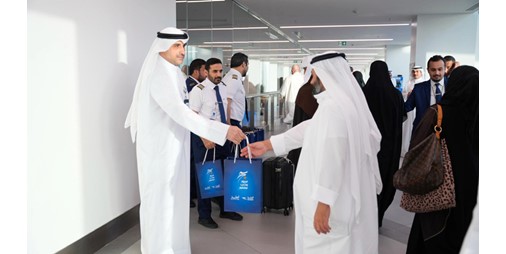

Kuwait Airways Hajj arrivals welcomed at Kuwait International Airport Terminal 4
Kuwait Airways Hajj arrivals were welcomed yesterday at Kuwait International Airport’s Terminal 4, as the national carrier began receiving returning pilgrims on flights from Jeddah, Taif and Medina. The acting CEO, Abdulwahab Al-Shatti, said the airline prioritized smooth, comfortable arrivals and close coordination with airport authorities and relevant government sectors to facilitate pilgrim processing.
Operational coordination and ground handling for pilgrim services
The airline reported that it provided ground handling services in Terminal 4 not only for its own flights but also to support pilgrims traveling with Saudi Arabian Airlines and Flynas. Therefore, staff from Kuwait Airways worked alongside airport teams to streamline departures and arrivals, according to company statements. Furthermore, officials emphasized that the move aimed to reduce transit times and ease the travel experience for returning Hajj passengers.
Additionally, airport sources noted the arrangement helped consolidate resources during peak travel periods. The cooperation between carriers and the terminal operator was described as part of broader Hajj operations planning at Kuwait International Airport. This coordination is intended to ensure that baggage handling, document checks and passenger assistance proceed without bottlenecks.
Committee oversight and ongoing Hajj operations management
Kuwait Airways said it maintains a permanent annual committee dedicated to Hajj and Umrah matters, composed of senior representatives from key company divisions. The committee monitors logistics, flight schedules and customer service protocols year-round so the airline can respond to seasonal demands. According to the airline, this continuous oversight allows staff to refine procedures and implement best practices before and during the pilgrimage season.
Officials added the committee’s responsibilities include liaising with travel operators, charter providers and government agencies involved in Hajj operations. Therefore, planning covers everything from aircraft allocation to inflight services tailored for pilgrims. The airline also highlighted coordination with specialized Hajj and Umrah campaign organizers to align ground services and passenger needs.
Passenger experience: from check-in to in-flight care
Kuwait Airways noted its focus on simplifying travel formalities and enhancing comfort both on the ground and in the air. The carrier said staff were briefed to facilitate expedited check-in and immigration procedures for pilgrims, and to provide assistance for elderly or mobility-impaired travelers. Meanwhile, inflight teams prepared services to accommodate the specific needs of Hajj passengers during return legs.
In addition to operational steps, the airline emphasized communication with travel agencies and pilgrim groups to coordinate manifest information and special requests. Therefore, the combined effort aimed to reduce delays at gates and streamline boarding processes. The company expressed appreciation to the pilgrimage campaigns that entrusted their clients to the national carrier throughout the season.
Context and background for Kuwait Airways Hajj arrivals
Kuwait Airways’ engagement in Hajj operations reflects a wider regional pattern in which national carriers and airports intensify collaborative planning during pilgrimage seasons. Pilgrim services require detailed logistics spanning flight capacity, ground handling, medical support and immigration coordination. According to analysts, such preparedness helps manage surges in passenger volumes and supports public health and safety measures.
Additionally, ensuring efficient Hajj operations is a high priority for transport and aviation authorities given the social and religious importance of the pilgrimage. Therefore, airlines often establish dedicated teams and contingency protocols to manage disruptions and maintain service standards. Kuwait Airways indicated that lessons from recent seasons have informed this year’s planning and execution.
Related operational considerations
Key elements in successful Hajj operations include flexible scheduling, responsive customer support and clear communication with governmental bodies. Furthermore, airlines that offer ground handling to other carriers can help optimize terminal throughput during concentrated arrival windows. The airline’s support to carriers such as Saudi Arabian Airlines and Flynas underscores a cooperative approach in the region’s aviation sector.
Implications for travelers and what to watch next
For pilgrims and their families, the immediate benefit is reduced friction at arrival and departure points, which can shorten processing times and improve overall travel experience. Travelers should monitor official airline communications and travel agency updates for final baggage and transfer arrangements. Meanwhile, airport advisories are likely to provide further guidance on pick-up zones, health screenings and any post-arrival services.
Looking ahead, Kuwait Airways said it will continue its Hajj operations throughout the season and adjust resources as passenger flows evolve. Officials indicated that ongoing reviews by the permanent Hajj and Umrah committee will shape improvements in subsequent seasons. Stakeholders and travelers should watch for post-season summaries or official performance reports that may outline specific operational outcomes and lessons learned.
Conclusion and next steps
In summary, Kuwait Airways Hajj arrivals at Terminal 4 mark an organized start to the return leg of this year’s pilgrimage traffic, supported by targeted ground handling, a standing Hajj committee and inter-carrier cooperation. The airline plans to sustain these measures while monitoring passenger needs and coordinating with partners. Observers should expect further updates from the carrier and airport authorities as the season progresses and after a structured post-season review is completed.