








Al-Issa meets Islamic leaders in the United Kingdom
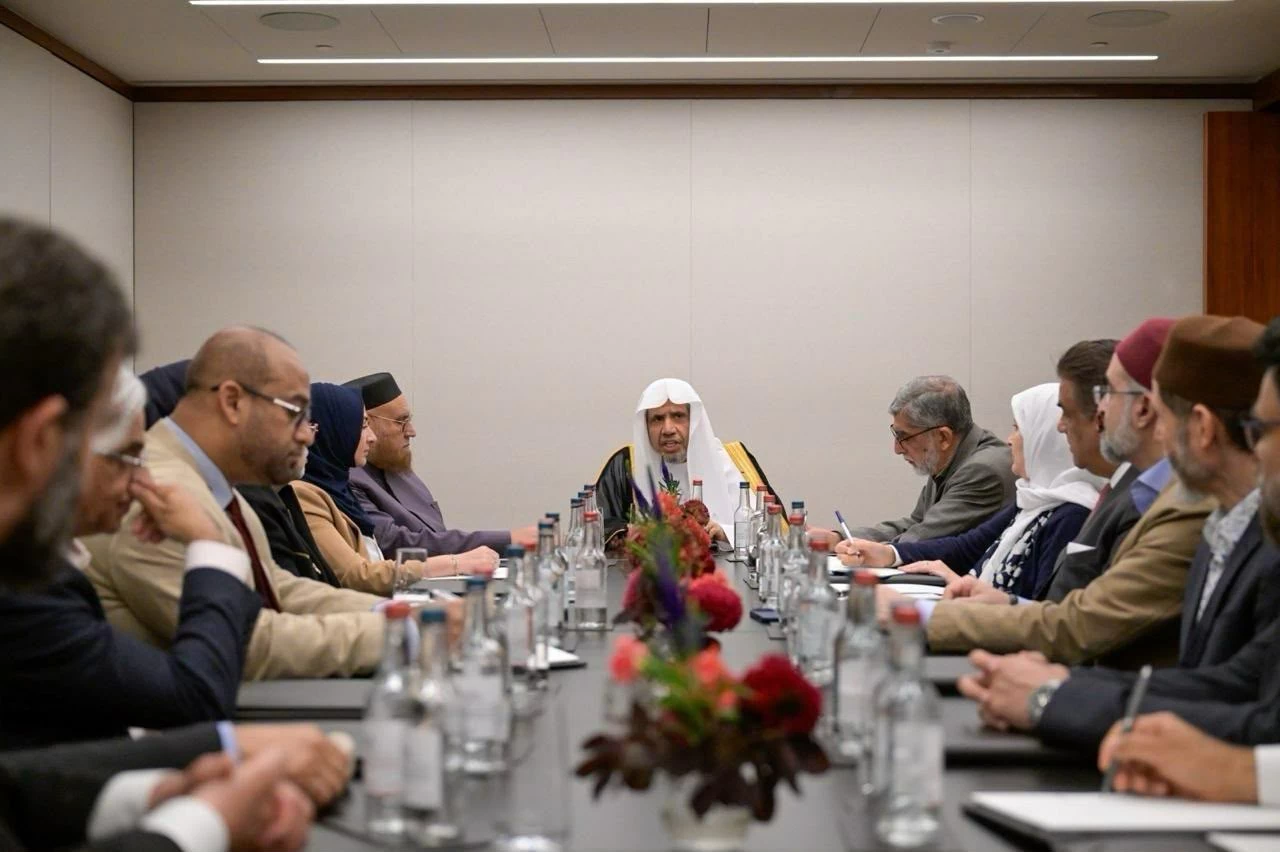
Al-Issa meets Islamic leaders in the United Kingdom, officials said, when the senior religious figure held a series of meetings in London earlier this week. The discussions brought together mosque leaders, civic faith representatives and members of prominent British Muslim organizations to address community engagement and cooperation. The meetings, held at multiple venues in the capital, were described as part of a planned diplomatic and religious outreach.
Who attended and where the meetings took place
Officials said the delegation met with representatives from the Muslim Council of Britain and other community bodies, along with local mosque and charity leaders. The sessions were hosted at community centres and faith institutions across London, according to statements released by British hosts and the visiting delegation. Organizers framed the meetings as an opportunity to strengthen links and identify shared priorities.
Issues discussed and objectives of the visit
The participants focused on practical matters such as community cohesion, educational cooperation and support for vulnerable communities, officials said. In addition, countering violent extremism, promoting interfaith dialogue and enhancing civic participation were flagged as central objectives. Moreover, the discussions examined charitable partnerships and cultural exchanges to deepen long-term institutional ties between faith groups in both countries.
Community and counter-extremism efforts
During the meetings, participants reviewed existing programs aimed at preventing radicalization and supporting families impacted by extremism. Faith leaders and civic partners explored ways to expand youth programming, improve community resilience and share best practices. Officials described these efforts as complementary to broader public safety initiatives led by local authorities and law enforcement.
Reactions from British Muslim leadership
British Muslim leaders who attended characterized the meetings as constructive and pragmatic, according to statements from community organizations. They emphasized the need for sustained engagement, transparent partnerships and locally driven solutions. Meanwhile, some civil society groups stressed that any external engagement should reinforce British legal norms and human rights commitments.
Why the visit matters to bilateral and community relations
The visit is significant for its potential to expand religious diplomacy and community-level cooperation between the visiting delegation and British faith institutions. It could bolster joint initiatives on education, social services and interfaith programming. Furthermore, the meetings may open channels for future collaboration on international humanitarian projects and shared responses to global challenges affecting Muslim communities.
Implications for policy and public perception
Analysts say visits of this nature can influence both public perception and policy discussions by highlighting cooperative approaches to social integration. They may also prompt parliamentary and municipal leaders to consider supporting pilot projects that emerged from the talks. However, officials cautioned that tangible outcomes will depend on follow-through and locally tailored implementation plans.
Background and context for the meetings
Relations between faith-based organizations in the United Kingdom and international religious delegations have a long history of exchanges focused on education, humanitarian work and interfaith outreach. The current set of meetings was framed by hosts as part of ongoing efforts to address contemporary challenges facing Muslim communities in Britain and abroad. Observers noted that such visits often aim to balance religious engagement with diplomatic and social objectives.
Next steps and what to watch
Officials indicated that working groups will be formed to translate discussion points into concrete initiatives, with follow-up meetings expected in coming months. Stakeholders said they will monitor any announced pilot projects in areas such as youth outreach, mosque governance, and charity coordination. Readers should watch for formal statements from participating organizations and for updates on collaborative programs that may emerge.
Conclusion and outlook
The meetings led by Al-Issa represent a coordinated effort to strengthen ties between visiting religious figures and British Muslim leadership, focusing on community engagement and shared initiatives. While officials described the sessions as productive, meaningful results will depend on sustained collaboration and transparent implementation. In the coming months, observers will look for concrete projects and timelines that indicate whether the discussions translate into measurable community benefits.