








Innovative Medical Device Developed by Student in Dubai
A computer engineering student at Middlesex University Dubai, Omar Farhan, has created a low-cost medical device designed to assist healthcare professionals in locating veins that are difficult to access or visualize. His innovation earned him the James Dyson Award UAE for 2026, highlighting its potential impact in the medical field.
The device consists of a smart risk assessment tool supported by infrared imaging technology, which allows for clearer visualization of veins. This innovation aims to reduce the number of attempts needed for intravenous (IV) needle insertion, a common challenge faced by healthcare providers. Farhan’s motivation stemmed from his personal experiences of difficulty in accessing veins, a struggle he discovered was shared by many of his friends, family members, and university professors. This realization prompted him to develop a solution that would simplify the process for both patients and healthcare workers.
How the VenaLume Device Works
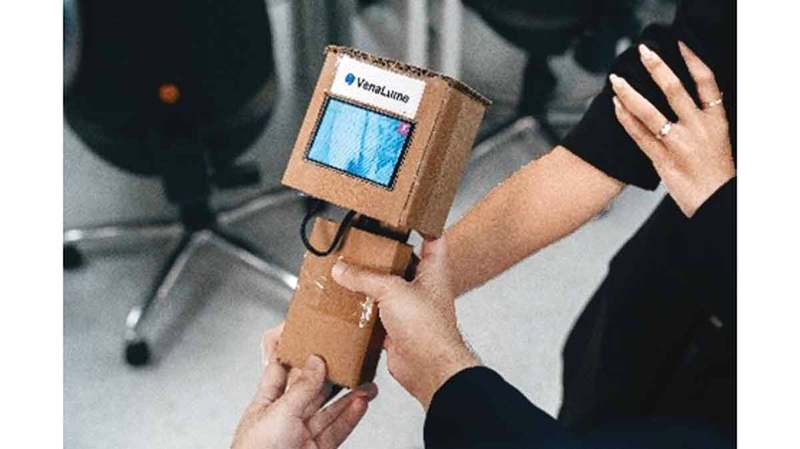
Farhan’s device, named VenaLume, operates in two key stages. The first stage involves assessing the patient’s condition to determine the necessity for imaging. The second stage utilizes an infrared camera to create a live map of the veins, facilitating clearer identification for medical personnel.
This advanced technology relies on the absorption and reflection of infrared light by veins and surrounding tissues. Veins that are usually hard to see appear as shadows, resulting in a clear, real-time video map that assists medical teams during procedures. This feature enhances the accuracy of venous access and potentially improves patient outcomes.
Implications for Healthcare Practices
Farhan emphasized his commitment to making this technology user-friendly for daily clinical practice. The integration of the VenaLume device into healthcare routines could significantly enhance the efficiency of IV insertions, leading to greater patient satisfaction and reduced discomfort.
Moreover, as healthcare systems globally continue to seek innovative solutions to improve patient care, the potential adoption of such technologies becomes increasingly vital. By addressing common challenges faced in medical procedures, devices like VenaLume can play a crucial role in transforming patient experiences and outcomes.
Future Prospects and Next Steps
As Farhan looks ahead, he plans to further develop the VenaLume device with the intention of enhancing its accessibility and functionality within clinical settings. Following his recognition in the James Dyson Award UAE, he anticipates opportunities for collaboration with healthcare professionals and technology experts to bring his innovation to market.
This journey marks a significant step in bridging the gap between engineering solutions and healthcare needs. Observers in the medical community and tech industry should be on the lookout for advancements in this area, as the drive for improved medical technologies continues to grow.