







UAE Non-Oil Foreign Trade Approaches 3 Trillion Dirhams
The United Arab Emirates (UAE) has reported a historic surge in its non-oil foreign trade, reaching 2.945 trillion dirhams during the first nine months of 2026. This figure marks a remarkable growth of 10.1% compared to the same period in 2025, bringing the UAE closer than ever to the 3 trillion dirham milestone. The performance is primarily driven by record non-oil exports amounting to 706 billion dirhams, which saw an impressive growth of 21.6% alongside imports totaling 1.661 trillion dirhams, reflecting an 11.5% increase.
Significant Growth in Non-Oil Exports
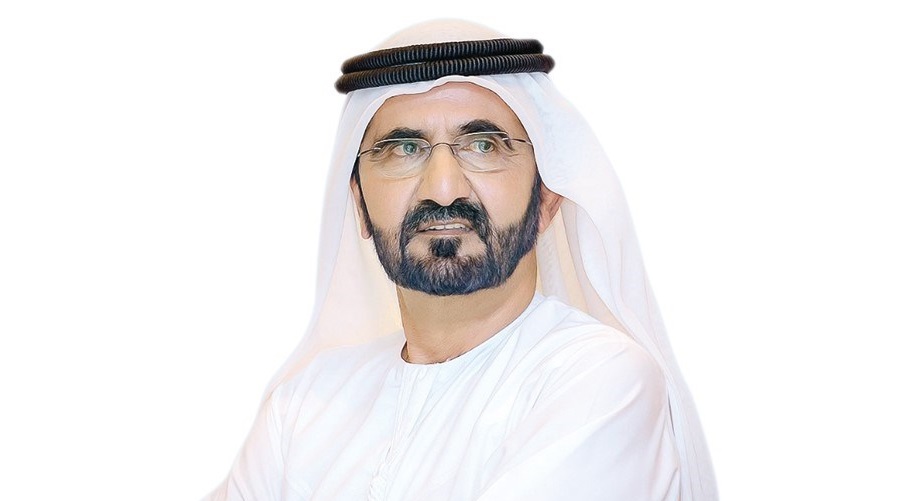
For the first time, the contribution of non-oil exports to total non-oil foreign trade rose to 24.0%, up from 21.7% in the same period last year, highlighted by a monthly export record surpassing 100 billion dirhams in September 2026. Sheikh Mohammed bin Rashid Al Maktoum, Vice President and Prime Minister of the UAE, expressed pride in this achievement, affirming the UAE’s status as a pivotal hub for international trade amid numerous global economic challenges.
Dr. Thani bin Ahmed Al Zeyoudi, Minister of Foreign Trade, emphasized that this growth reflects the UAE’s sustained momentum in foreign trade and its ability to maintain a strong international trading position despite fluctuating global economic conditions. He noted the ongoing success in diversifying trade partners and enhancing supply chain efficiencies.
Expansion of Trade Partnerships
The data reveals a continual upward trajectory, with non-oil foreign trade increasing by 37.2% compared to the first nine months of 2024, and showing a growth of 55.2% from the same period in 2023, when trade volumes were pegged at 1.9 trillion dirhams. This increase showcases the UAE’s effective strategy in establishing a broad network of trade and economic partnerships, fostering international market openness.
Moreover, in the third quarter of 2026, non-oil foreign trade reached a total value of 1.025 trillion dirhams, recording an annual growth rate of 7.1%. This quarterly increase indicates the robust health of the UAE’s external trade in comparison to previous quarters, with significant milestones being surpassed in recent months.
Key Export and Import Metrics
Analysis of export performance reveals that non-oil exports reached 705.8 billion dirhams, reflecting a significant 21.6% growth. Notably, exports to the UAE’s top ten trading partners soared by 31.6%, highlighting the increasing demand for Emirati products globally. Switzerland, Hong Kong, and India emerged as the leading destinations for these exports, showcasing the diversification of the UAE’s trade relationships.
Additionally, trade agreements have played a crucial role in this growth, with comprehensive economic partnership agreements paving the way for new market opportunities and smoother trade operations. These agreements are essential for the UAE’s strategy to strengthen its international partnerships and enhance the flow of trade.
A Focus on Sustainable Growth
The UAE’s trade with the 23 countries involved in the 19 comprehensive economic partnerships amounted to 510.8 billion dirhams, marking a growth of 6.6% over the same period in 2024. This reinforces the UAE’s commitment to expand its trade networks in an increasingly competitive global market.
In the import sector, the UAE witnessed a 7.9% increase from its top ten trade partners and a substantial 14.6% rise from the rest of the world. This broad-based increase underlines the effectiveness of the UAE’s trade strategy, enabling it to serve as a vital hub for global trade.
Outlook for Future Trade Growth
As the UAE continues to navigate the complexities of global trade and economic fluctuations, the recent figures reflect a resilient and adaptable approach. Future trade developments will likely focus on enhancing supply chain capabilities, expanding partnerships, and ensuring a sustainable growth trajectory in non-oil sectors.
Looking ahead, stakeholders in the UAE’s trade landscape will be monitoring the impact of ongoing economic agreements and the potential for further expansion of market access. The nation’s ability to leverage its strategic geographic location and maintain strong international relations will be key to sustaining this growth momentum.