






Concerns Over Cosmetic Treatments and Unrealistic Beauty Standards
Health professionals have issued warnings about the allure of magical beauty treatments advertised through digital platforms. They note that the prevalence of digital filters and retouched photos on social media has contributed to the establishment of unrealistic beauty standards, raising expectations among individuals while decreasing acceptance of natural variances in body and facial features.
Medical experts have expressed concern regarding the increasing trend among some dermatologists, especially newly graduated ones, to focus on cosmetic procedures at the expense of diagnosing and treating skin diseases. This shift is further compounded by societal and psychological pressures surrounding appearance.
The Shift in Dermatology Towards Cosmetic Procedures
According to specialists in dermatology, the obsession with cosmetic enhancements has negatively impacted the core of their field. Dr. Anwar Al-Hamadi, a dermatologist consultant, emphasized that the growing inclination of young doctors towards quick procedures, like Botox and fillers, compromises the treatment of genuine skin conditions that patients actually need. He stressed the importance of maintaining a balance between cosmetic and therapeutic dermatology.
Dr. Al-Hamadi pointed out that dermatology is a broad specialty that intersects with various medical fields, including internal medicine and psychology. He mentioned that this area of medicine has rapidly evolved and requires continuous education and focus on diagnosing and treating diseases rather than pursuing rapid cosmetic gains.
Reality of Beauty Standards Affected by Social Media
The influence of social media was also highlighted by experts who noted that unrealistic portrayals of beauty, fostered by digital filters, have distorted individuals’ perceptions of themselves. This phenomenon can lead to increased anxiety and decrease self-esteem, pushing some to adopt unsafe practices, such as using unverified products or undergoing unnecessary procedures.
Moreover, specialists warn against jumping into social media advertisements that promise magical results for skin and hair, cautioning that idealized beauty often overlooks natural hereditary variations in skin tone. Dr. Al-Hamadi specifically advised against the pursuit of a uniform skin tone, as it is both unrealistic and unnatural.
The Patient-Doctor Relationship and Ethical Responsibilities
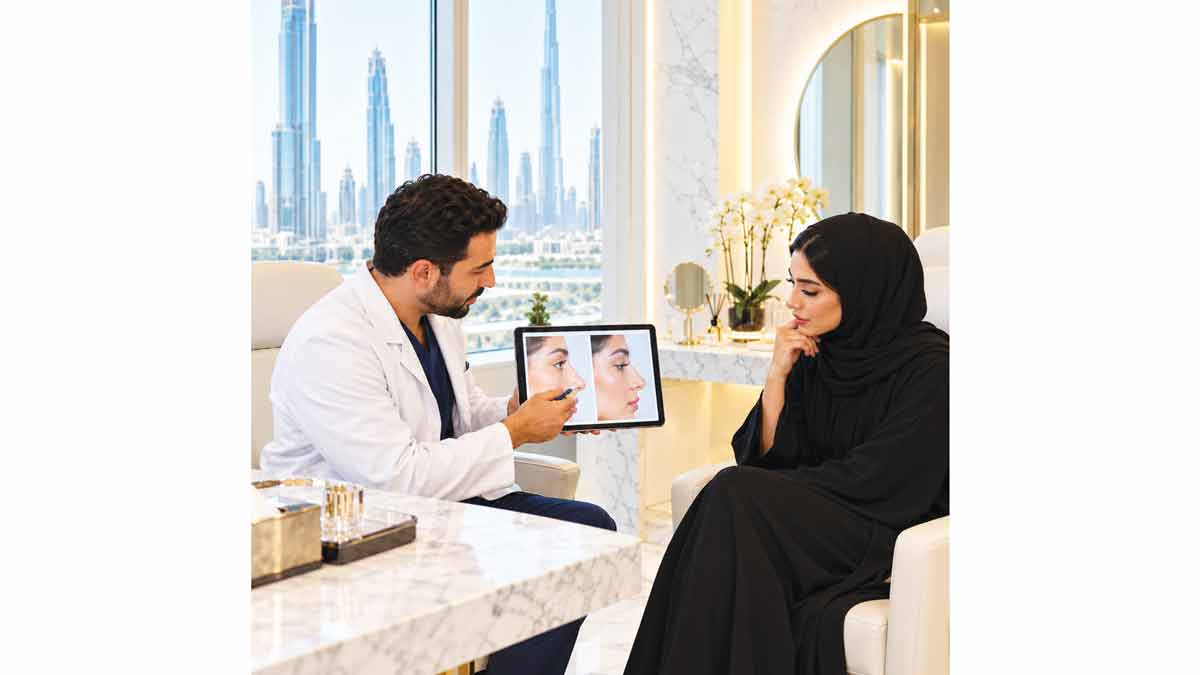
Another critical aspect raised pertains to the patient-physician dynamic, where patients should choose their doctor based on qualifications and experience rather than social media presence. Medical professionals are urged to prioritize patient safety and well-being over commercial motives. This ethical responsibility includes helping patients cultivate self-acceptance and confidence in their natural appearance instead of trying to conform to a predetermined standard.
Dr. Mervat Al-Badawi, a dermatologist consultant, echoed similar sentiments, stating the importance of understanding patients’ motivations before jumping into cosmetic procedures. She remarked that the societal pressure to maintain a youthful appearance often correlates with self-esteem issues. Hence, it is vital for practitioners to gauge client intentions beyond mere physical attributes when discussing possible treatments.
The Future of Dermatology in a Cosmetic-Oriented Landscape
Looking ahead, healthcare professionals are anxious about the number of dermatologists specializing solely in cosmetic techniques. This trend could potentially jeopardize the resources necessary to treat complex skin diseases and limit opportunities for ongoing research and treatment advancement within the field. Dr. Rania Abu Tarab stressed that while cosmetic procedures are a component of dermatology, they should not overshadow its therapeutic goals and integral mission.
Experts call for a balanced approach where incorporating cosmetic treatments does not come at the detriment of essential clinical practice. Collaborative awareness amongst patients, practitioners, and the cosmetic market is essential to maintain an ethical framework that prioritizes actual health outcomes.
Implementing Safe Practices in Skin Care
Promoting healthy skin requires an understanding that achieving beauty should not come at the cost of mental health or unrealistic expectations. As trends evolve, the responsibility lies within the industry to emphasize safe practices and provide accurate information about skin health. Experts advise consumers to seek advice based on medical knowledge rather than sensationalized advertisements.
As the landscape of dermatology continues to change, professionals remain committed to advocating for an approach that harmoniously integrates cosmetic enhancements with comprehensive skin health management. This balanced methodology aims to usher in a new era of informed decision-making for both doctors and patients.