






Center of Excellence for Rare Diseases Abu Dhabi
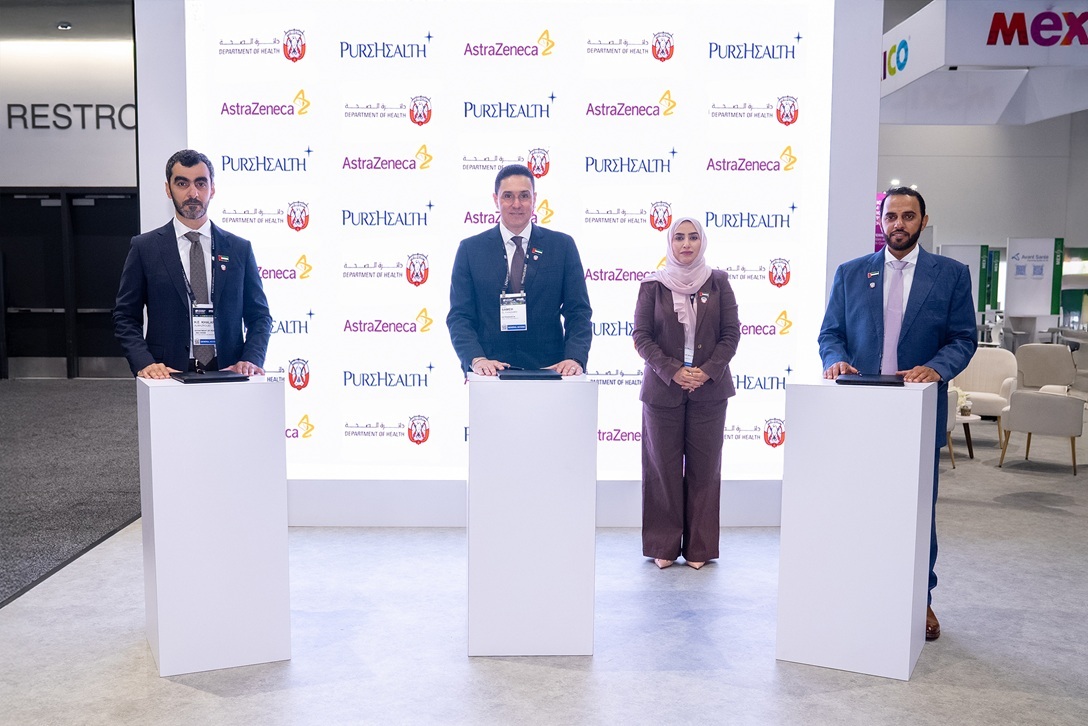
Department of Health – Abu Dhabi, AstraZeneca and PureHealth signed a memorandum of understanding at the BIO International Convention 2026 in San Diego to launch the Center of Excellence for Rare Diseases Abu Dhabi. The new center will act as a regional platform for diagnosis, treatment, follow-up, research and education with an emphasis on metabolic, kidney and blood-related rare disorders.
The agreement was announced during the biotechnology industry conference in June 2026 and formalizes a tripartite partnership to operationalize the center in Abu Dhabi by combining regulatory leadership, industry research capabilities and provider operational expertise. Officials said the initiative intends to fast-track early detection, accurate diagnosis and sustained care for patients across the region.
Purpose and clinical focus of the Center of Excellence for Rare Diseases Abu Dhabi
The center will provide an integrated model of care that blends clinical services, genetic testing and long-term patient management. Therefore, the initiative targets rare metabolic disorders, hereditary kidney diseases and hematological conditions that often require multidisciplinary care, according to the memorandum.
Additionally, the platform will serve as a hub for specialized diagnostics, including genetic and biochemical testing, and will coordinate care pathways that link primary, secondary and tertiary services. Officials said that by concentrating expertise and resources in one center, patient journeys from symptom onset to definitive diagnosis can be shortened substantially.
Partnership roles: Department of Health – Abu Dhabi, AstraZeneca and PureHealth
The Department of Health – Abu Dhabi will provide regulatory oversight and strategic direction, while AstraZeneca contributes global scientific expertise in rare disease management and research. PureHealth will operate and manage the center’s clinical services and patient pathways, officials said.
Dr. Asma Ibrahim Al Munai, Executive Director of the Health Life Sciences Sector at the Department of Health – Abu Dhabi, described the agreement as a strategic activation of prior commitments to the center and said the partnership leverages Abu Dhabi’s integrated health and life sciences ecosystem. Samah Al-Fanjari, President of AstraZeneca Gulf, emphasized the goal of ensuring timely diagnosis and access to care, and Shaysta Asif, Chief Executive Officer of PureHealth, noted the importance of reducing diagnostic delays and improving patient experience.
Research priorities, clinical trials and genomic integration
The center is expected to align with the UAE Genome Program and other national genomic initiatives to integrate genomic medicine Abu Dhabi into routine rare disease pathways. This genomic linkage will support precision diagnosis, variant interpretation and targeted research, officials indicated.
Furthermore, one of the core objectives is to increase the capacity for clinical trials and generate real-world evidence that informs care and policy. The collaboration will prioritize pragmatic studies and registries that capture long-term outcomes, treatment effectiveness and health economics data to build local and regional evidence bases.
Patient services, capacity building and governance
Under the memorandum, the partners will develop a comprehensive care model that includes lifelong follow-up, patient education, and access to multidisciplinary teams. The model aims to ensure that patients receive uninterrupted specialist services and coordinated support for social and economic challenges related to rare conditions.
Education and training are also central: the center will host programs to develop local clinical expertise and build capacity among healthcare professionals. A joint governance framework will define roles, quality standards and accountability across the partnership, officials said, ensuring sustainable operations and shared oversight.
Implications for the health system and regional impact
Establishing the Center of Excellence for Rare Diseases Abu Dhabi may reduce long-term costs by shortening diagnostic odysseys and preventing complications through earlier intervention. Policymakers and health system leaders expect improved patient outcomes to translate into reduced social and economic burdens on families and communities.
Moreover, the center could serve as a regional reference model, exporting best practices in rare disease diagnosis and care to neighboring health systems. By combining a regulated health environment, industry research capacity and operator know-how, the initiative aims to set a new standard for specialty care in the Gulf and wider Middle East.
Next steps and what to watch
Officials said the memorandum sets a framework for implementation rather than a fixed opening date. The immediate next steps include finalizing operational agreements, defining the center’s location and staffing model, and aligning diagnostic workflows with the UAE Genome Program and clinical trial infrastructures.
Observers should watch for announcements on the center’s formal launch timetable, the publication of clinical protocols, and the first research studies or registries established under the partnership. Updates on patient referral pathways and training programs will indicate progress toward making the center fully operational.