




Qatar-Saudi phone call signals coordinated support for mediation
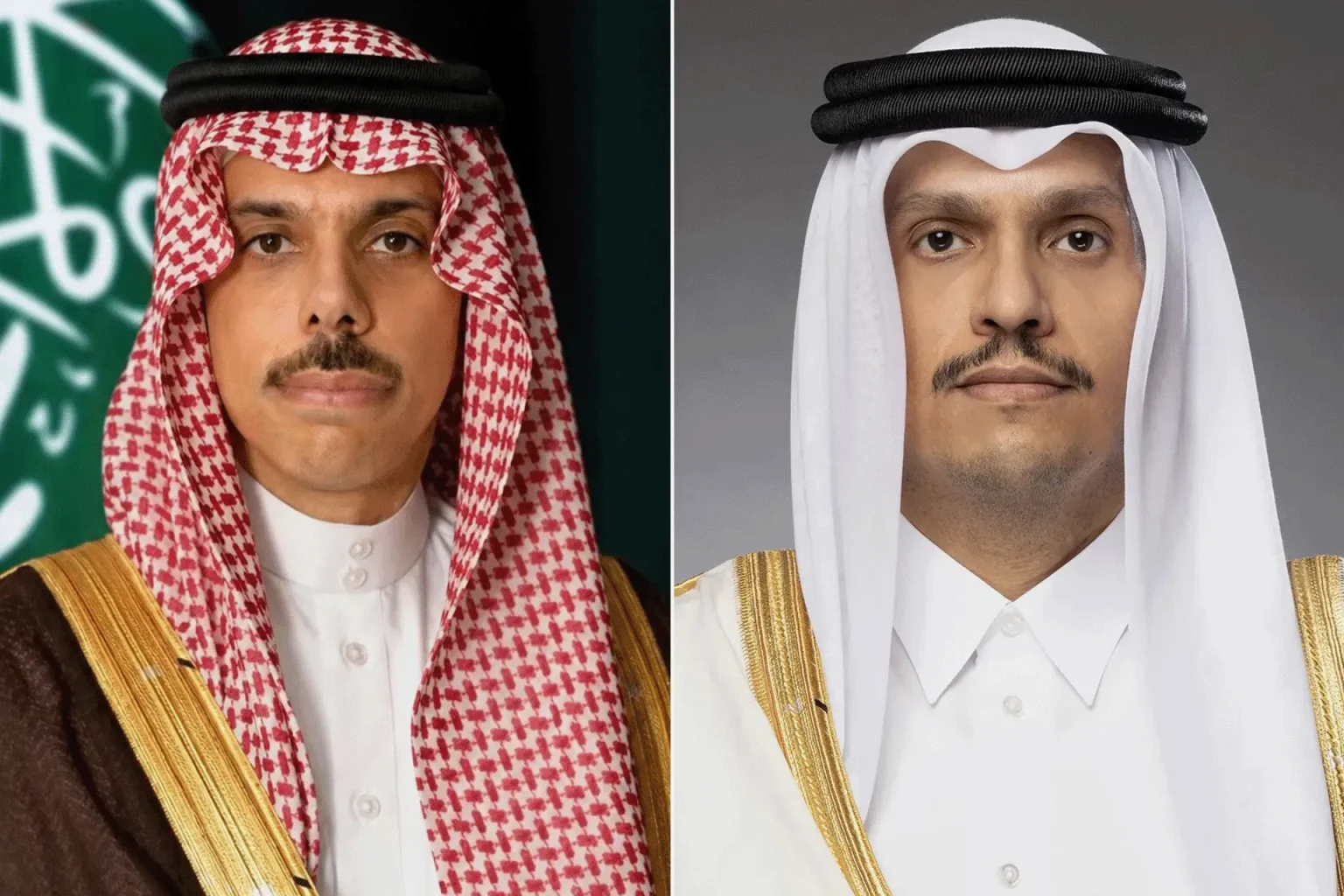
On Wednesday, March 6, 2026, Qatar’s Prime Minister and Foreign Minister Sheikh Mohammed bin Abdulrahman Al Thani placed a Qatar-Saudi phone call to Saudi Foreign Minister Prince Faisal bin Farhan Al Saud, officials said. The brief conversation, confirmed by the Qatari Ministry of Foreign Affairs, reviewed bilateral cooperation and discussed coordination to back Pakistan mediation between Washington and Tehran.
Details of the conversation and immediate priorities
The Qatari foreign ministry statement indicated the leaders focused on ways to deepen ties and coordinate diplomatic efforts to reduce regional tensions. According to the ministry, the call also addressed support for the Pakistan mediation initiative aimed at de-escalating U.S.-Iran tensions, a subject that has drawn renewed diplomatic attention in recent weeks.
Furthermore, officials said the ministers discussed the importance of aligning Gulf diplomatic channels to lend credibility and practical backing to mediation efforts. They noted that coordinated Gulf support could help create conditions for dialogue and prevent further escalation, thereby enhancing regional security and stability.
Support for Pakistan mediation and decline of escalation
Both Doha and Riyadh, the statement said, reviewed mechanisms to back Pakistan mediation efforts, including political coordination and messaging that encourages all parties to engage constructively. Pakistan has been reported to play a mediating role between Washington and Tehran, and the call highlighted Gulf states’ interest in reinforcing such back-channel diplomacy.
Officials emphasized that backing mediation is intended to open pathways for addressing the root causes of the crisis through peaceful means and dialogue. Therefore, Qatar and Saudi Arabia aim to support a sustainable agreement that would reduce the likelihood of recurrent tensions, the ministry added.
Why the Qatar-Saudi phone call matters for regional de-escalation
The Qatar-Saudi phone call is significant because it signals unified Gulf support for Third-party mediation at a time of heightened concern over U.S.-Iran tensions. Gulf states often serve as regional interlocutors and their coordinated engagement can boost the political space for mediators to operate, analysts say.
Moreover, joint diplomatic backing can provide mediators with leverage to press for confidence-building measures, potential ceasefire arrangements, or prisoner exchanges that can lower immediate risks. In contrast, fragmented regional positions can complicate mediation and reduce prospects for a negotiated settlement.
How coordination could be implemented
Practical coordination discussed during the call is likely to include synchronized public statements, discreet diplomatic outreach to influence key actors, and possibly logistical support for mediators. Meanwhile, both countries may also explore concerted diplomatic outreach to capitals involved in the dispute to encourage receptivity to Pakistani facilitation.
However, the effectiveness of such measures will depend on the willingness of the principal parties to engage and on the mediators’ ability to navigate complex security and political interests, the ministry’s statement suggests.
Context: Pakistan mediation and the broader diplomatic landscape
Pakistan’s reported role as a mediator has emerged against a backdrop of continued friction between Washington and Tehran over security, regional influence, and maritime incidents. International observers have noted periodic attempts by third parties to broker understandings that limit escalation without resolving deeper strategic rivalries.
In this context, Qatar and Saudi Arabia’s engagement reflects a pragmatic approach to regional de-escalation. Both states have previously hosted talks or acted as interlocutors in various regional disputes, and their involvement often aims to stabilize immediate crises while leaving longer-term issues for sustained diplomatic efforts.
Implications for Gulf diplomacy and next steps
The Qatar-Saudi phone call underscores a willingness among Gulf powers to coordinate on crisis response and mediation support. Therefore, this alignment could influence the pace and tone of diplomatic activity around the U.S.-Iran front and related regional flashpoints.
Observers should expect follow-up actions, including further bilateral contacts, joint communiqués, and possible meetings involving Pakistani mediators and other stakeholders. Meanwhile, ministry statements from Doha and Riyadh will likely provide the next public indicators of progress or shifts in strategy.
Forward-looking conclusion: what to watch
Readers should watch for additional official statements from Qatar, Saudi Arabia, and Pakistan that clarify the scope of coordinated support and any practical steps taken to assist mediation. In the coming weeks, announcements of meetings, envoys’ travel, or joint diplomatic initiatives would signal a tangible move from coordination to action.
Ultimately, the success of these efforts will hinge on the principal parties’ receptivity and the mediators’ ability to translate diplomatic backing into concrete agreements that reduce the risk of renewed escalation.