





Oman cabinet meeting outlines major economic and social reforms
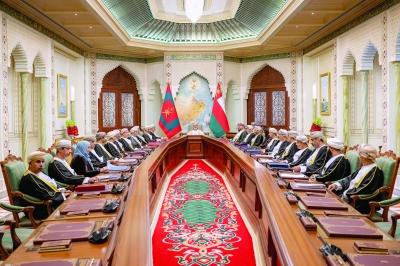
Sultan Haitham bin Tariq chaired an Oman cabinet meeting at Al Barakah Palace this week, where ministers approved a set of measures aimed at strengthening the private sector, improving public governance and enhancing social participation. The Oman cabinet meeting focused on institutional reforms, including a new economic coordination body, additional representation for women in the Consultative Council and creation of a government assets authority, officials said.
Government statements indicated the session reviewed performance evaluations for 2025, discussed digital safety for children and reaffirmed priorities on cybersecurity and employment. The announcements are framed as part of broader efforts to align policy with Oman Vision 2040 and to protect economic stability amid regional developments.
Economic Coordination Council to boost private sector role
One of the headline decisions at the Oman cabinet meeting was the establishment of an Economic Coordination Council to be chaired by the Deputy Prime Minister for Economic Affairs. The council is designed to harmonize government policies with private sector needs, attract foreign capital and anticipate global economic trends, officials said.
Therefore, the council will aim to enhance sectoral growth and increase the private sector’s contribution to national development. Additionally, officials emphasized that the council’s work will support diversification and a more balanced development model consistent with Oman Vision 2040, while seeking to improve the business climate and investor confidence.
New seat for women in every governorate and wider civic participation
The cabinet also approved a directive to add one additional seat for women in each governorate’s representation on the Consultative Council, increasing the number of reserved seats by 11. The move is meant to broaden female participation in public life and follows recent developments in the council’s evolution, the statement said.
Furthermore, ministers discussed measures to strengthen civic engagement and noted that the change should complement competitive seats available in the general contests. Officials framed this as part of a gradual strategy to deepen inclusive decision-making and promote equal opportunities across provinces.
Government Assets Authority and performance evaluation follow-up
To improve public asset management and fiscal returns, the Oman cabinet meeting approved the creation of a Government Assets Authority. The new body will manage and invest the state’s fixed assets with transparency and governance standards intended to maximize long-term returns, according to government sources.
Meanwhile, the cabinet reviewed the 2025 evaluation of government institutions, which showed measurable improvements since the launch of the performance measurement unit in 2022. The Sultan praised agencies with top performance and noted that better institutional outcomes should translate into higher citizen satisfaction, easier business operations and stronger progress against Oman Vision 2040 targets.
Digital safety for children, cybersecurity priorities and regulation
Recognizing rapid growth in digital platform use among youth, the Oman cabinet meeting instructed relevant authorities to assess how children use digital media and to prepare rules and guidance that help families manage screen time and content exposure. Officials said the directive will draw on international best practices to produce practical regulations and parental tools.
Emphasis on cybersecurity in government planning
In parallel, the cabinet stressed that cybersecurity projects must be prioritized across all government agencies and that obstacles should be addressed quickly in coordination with relevant bodies. The emphasis reflects officials’ intent to align digital transformation programs with robust security measures as the government accelerates its digital economy agenda.
Employment initiatives and support for small and medium enterprises
The meeting also examined progress on national employment programs and private-sector initiatives aimed at job creation. The cabinet commended public and private efforts to expand employment opportunities and called for intensified action to raise job targets and open new career pathways for citizens, the statement noted.
Given regional and global economic pressures, the Sultan instructed measures to protect vulnerable sectors, including a package of facilitation steps for small and medium enterprises most affected by recent disruptions. Officials described these measures as temporary supports intended to maintain liquidity, preserve jobs and sustain trade flows.
Foreign policy posture and regional developments
On foreign affairs, the Oman cabinet meeting reaffirmed the country’s longstanding policy of respecting state sovereignty and non-interference, while advocating dialogue and diplomacy in regional disputes. The cabinet welcomed a recent understanding between the United States and Iran and expressed appreciation for constructive mediation by regional actors, including Gulf states and Pakistan, according to the official release.
Ministers also praised the responsiveness of national security forces in safeguarding the country and underlined Oman’s commitment to neutral, law-based maritime security and safe navigation in regional waterways.
Implications and next steps
Taken together, the outcomes of the Oman cabinet meeting indicate a coordinated push to accelerate economic diversification, strengthen governance of public assets and broaden social inclusion. Analysts say the Economic Coordination Council and Government Assets Authority could streamline investment decisions and improve fiscal efficiency if implementation follows swiftly.
Observers should watch for the council’s initial policy recommendations, the asset authority’s governance framework and the timeline for parliamentary or regulatory steps to add the 11 women’s seats. Authorities have signaled that implementation details and regulations on child digital safety and cybersecurity will be developed in the coming months.
Looking ahead, the government will likely publish further guidance and operational plans; readers should expect updates from ministries and official channels as the new bodies and measures move from decision to execution.